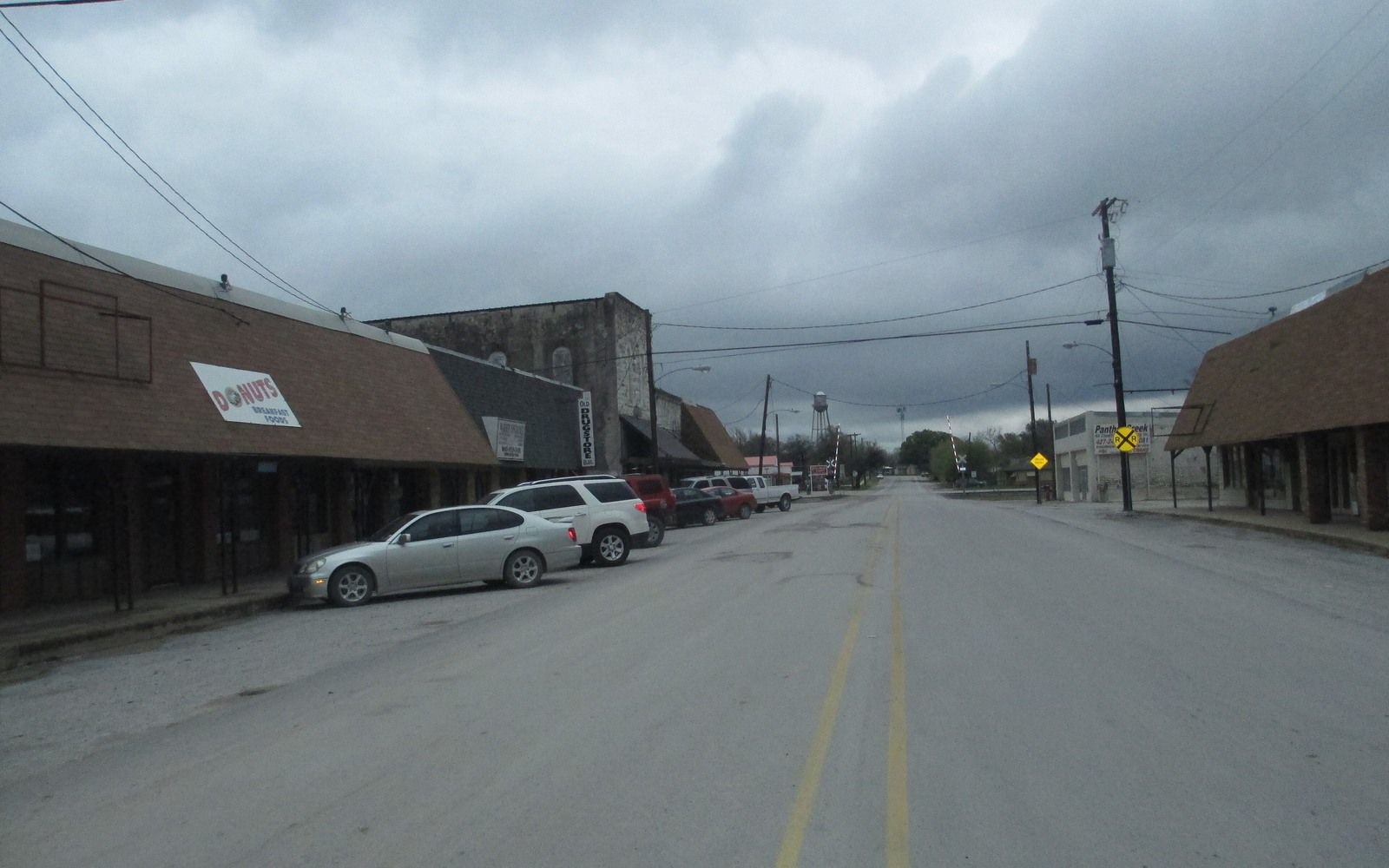
Alvord sits in northern Wise County, ground zero territory for the Barnett Shale gas boom that started at the turn of the century, and the wells around here have some of the longest production histories in the play.
Wise County is where a lot of the modern shale gas industry effectively proved itself out, and Alvord's rural land got leased hard during that first wave. Most of what's under this ground has been drilled, produced, and re-permitted at least once, so an owner here is usually dealing with an existing lease and royalty history rather than raw unleased minerals.
Alvord's identity has stayed rural even as Wise County's reputation grew around it, and that combination, quiet town, serious gas production underneath, is common across a lot of the Barnett's original core counties.
When an Old Lease Might Be Terminated
Leases can terminate if the well they're tied to stops producing in paying quantities and the lease lacks a shut-in clause covering the gap, which occasionally happens on older Alvord-area leases from the first Barnett wave. Checking current RRC production status confirms whether a specific lease is still held.
Core Wise County Production
Because Wise County sits at the thickest part of the Barnett, wells drilled near Alvord in the early 2000s often had stronger initial production than wells drilled later on the play's fringes. That legacy still shows up in how long these wells have stayed economic even as they've declined.
Tracing an Old Family Interest
A lot of Alvord-area mineral interests passed through two or three generations since the original 1990s or 2000s lease was signed, without anyone updating the division order at the operator or checking the deed at the courthouse in Decatur. That gap is common, and it's the first thing worth closing before selling.
What a Fair Number Looks Like
A real offer on Alvord minerals gets built from your net mineral acres, the unit's current production, and recent royalty checks if you have them, not from a flat per-acre figure pulled out of thin air. Send what paperwork you have and expect real math back.
Place the county tract on the basin board
The local file should tie the county record and legal description to the relevant basin, formation, field, unit, wells, permits, and operator position. A surface address can help find the tract, but it does not establish the mineral interest or prove participation in nearby development.
Read the local well vintages
Producing wells, shut-in wells, intermittent wells, newer laterals, older vertical wells, nearby completions, and general operator acreage in the surrounding area belong in separate evidence lanes. The paid property history carries more weight than a rig or permit that does not include the subject acreage.
Reconcile the ownership line
Deeds, reservations, leases, assignments, probate or trust records, division orders, unit documents, payor records, and statements should all point to the same local interest. Acreage, fractions, burdens, depths, products, and the paid decimal stay open until the supporting records agree.
Compare the deed and closing terms
A written offer for the tract should state the exact interest conveyed, effective date, receivables, reservations, title standard, curative responsibility, adjustment rights, payment conditions, and recording sequence. A strong headline number can still carry a broad deed or a weak closing condition.
Texas Owner Questions
Are Alvord's Barnett wells too old to be worth anything?
No. Mature wells still produce and still pay royalty, just at a level reflecting years of decline rather than early-boom rates.
You inherited this interest and never updated anything with the operator. Is that a problem?
It's common and fixable. We can help confirm your ownership against Wise County probate and deed records before a sale.
How is Alvord different from newer Permian or Eagle Ford minerals?
The rock and the economics are different, but the process is similar: confirm title, check production, and value the interest against real numbers.
How do you know if your old lease has terminated?
We check current Railroad Commission production records against the well tied to your lease to confirm whether it's still producing in paying quantities.