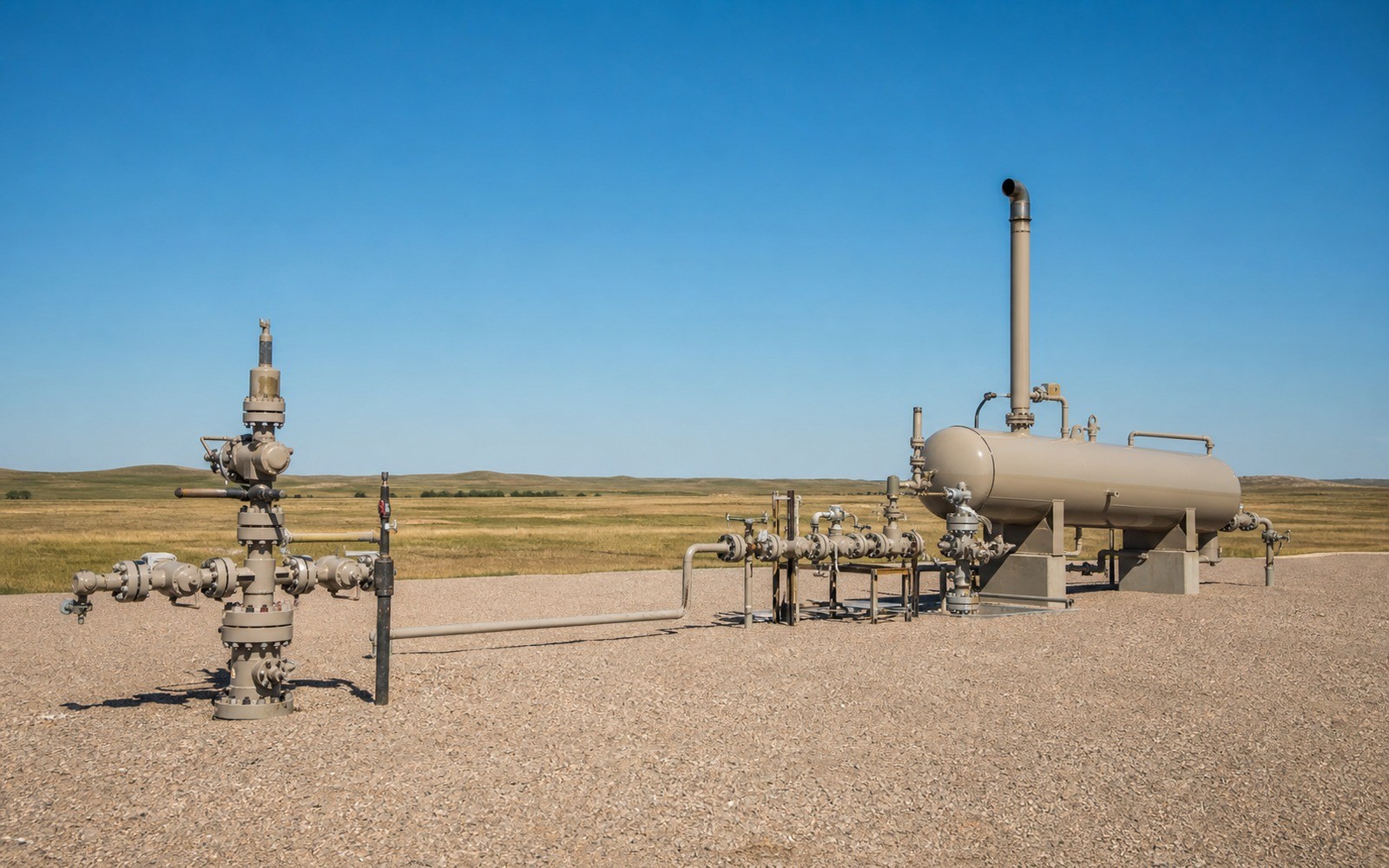
Appleby sits in Nacogdoches County, part of an East Texas district that's been producing oil and gas since long before the Haynesville Shale gave it a second life as a deep gas target.
Nacogdoches County's oil history runs old, tied to the broader East Texas Field region that made this part of the state famous in the 1930s. What's changed more recently is the deeper Haynesville and Bossier shale interest, which sits well below the older, shallower production and requires a completely different kind of well to reach it. Both layers can exist under the same tract, and that stacking is exactly what makes title and lease history worth checking carefully around Appleby.
Nacogdoches County's long farming and timber history means a fair number of Appleby-area mineral interests are tied to land that's never been anything but agricultural on the surface, even where oil and gas activity runs underneath.
Two Eras of Production, One Tract
Land near Appleby can carry both a decades-old shallow lease tied to legacy East Texas production and separate modern interest in the deeper Haynesville and Bossier intervals. These are sometimes covered by the same old lease's depth clauses and sometimes not, which is exactly the kind of detail that changes what an offer looks like.
Nacogdoches County Deed Records
The county courthouse in Nacogdoches holds deed and lease records going back generations for this area. Given how long some families have owned land here, it's common to find mineral interests split many ways through inheritance without anyone consolidating the paperwork.
What Determines a Fair Offer
Whether your Appleby-area interest is worth pursuing a sale on depends on whether it's covered by an active lease, whether the Haynesville has been tested nearby, and what recent royalty statements show if you're already receiving them.
Bossier Shale Alongside the Haynesville
The Bossier sits just above the Haynesville in this part of East Texas and is sometimes targeted alongside it or separately, depending on the well design and the operator's read of the rock. Either way, it's worth knowing both formations may be covered by the same lease depth clause.
Place the county tract on the basin board
The local file should tie the county record and legal description to the relevant basin, formation, field, unit, wells, permits, and operator position. A surface address can help find the tract, but it does not establish the mineral interest or prove participation in nearby development.
Read the local well vintages
Producing wells, shut-in wells, intermittent wells, newer laterals, older vertical wells, nearby completions, and general operator acreage in the surrounding area belong in separate evidence lanes. The paid property history carries more weight than a rig or permit that does not include the subject acreage.
Reconcile the ownership line
Deeds, reservations, leases, assignments, probate or trust records, division orders, unit documents, payor records, and statements should all point to the same local interest. Acreage, fractions, burdens, depths, products, and the paid decimal stay open until the supporting records agree.
Compare the deed and closing terms
A written offer for the tract should state the exact interest conveyed, effective date, receivables, reservations, title standard, curative responsibility, adjustment rights, payment conditions, and recording sequence. A strong headline number can still carry a broad deed or a weak closing condition.
Texas Owner Questions
Is Appleby part of the main Haynesville Shale core?
It's on the western edge of the broader Haynesville trend in Texas, so activity is more selective than in the Panola County core to the east.
Your family's lease is decades old. Does it cover deep Haynesville rights?
That depends on the lease's depth language, which we check against the original document filed at the Nacogdoches County Clerk's office.
How do you know if your interest has ever been drilled?
We check Texas Railroad Commission production records tied to your tract's legal description to confirm.
Is the Bossier Shale the same as the Haynesville near Appleby?
No, they're separate but adjacent formations often targeted together or in the same general depth range; we check your lease language for which is covered.