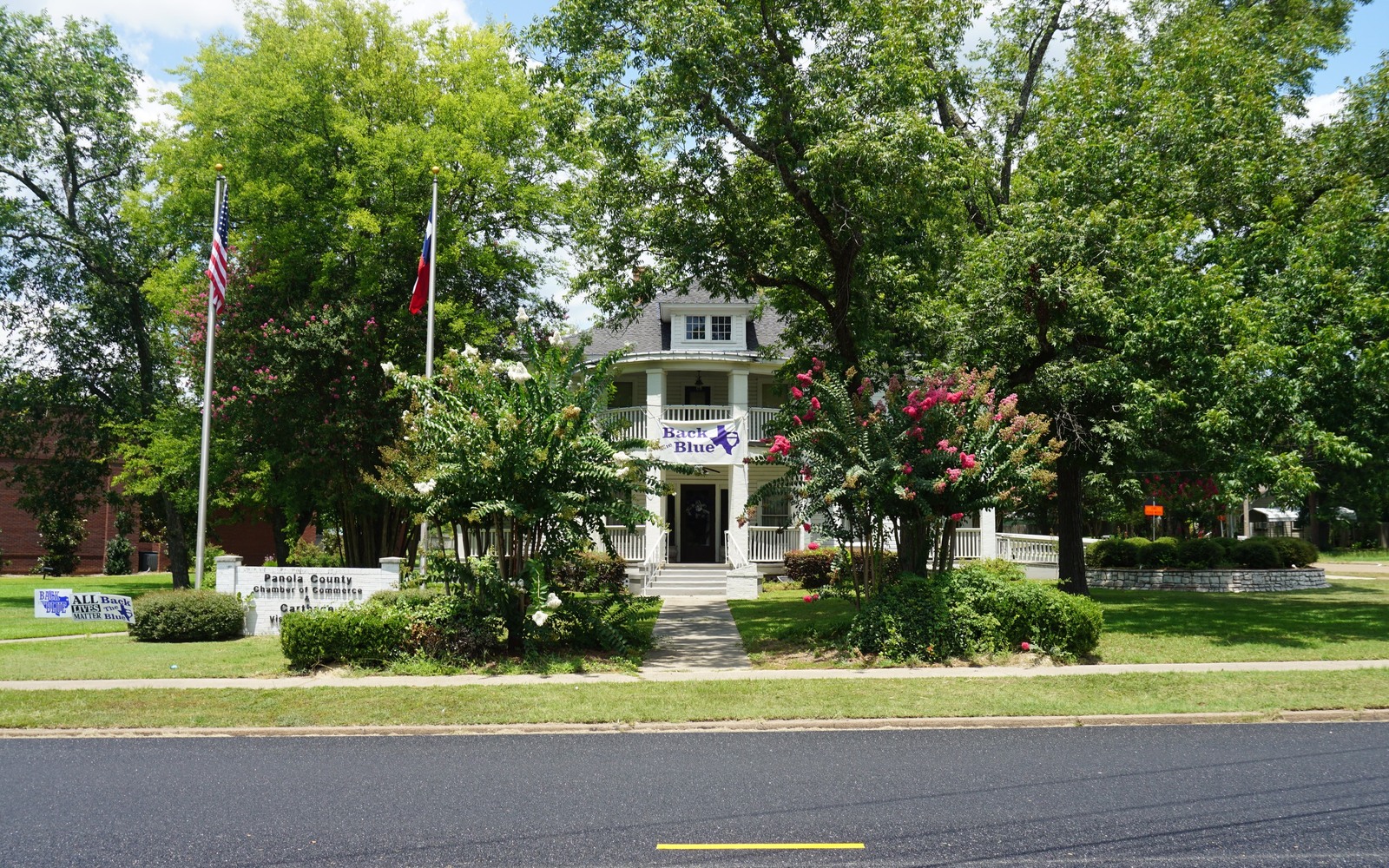
Carthage is the county seat of Panola County and has styled itself a gas capital going back to older Cotton Valley and East Texas Field-era production, long before the Haynesville Shale brought a second, much larger wave of drilling starting in the mid-2000s.
Panola County is widely regarded as the strongest Haynesville Shale territory on the Texas side of the play, and Carthage sits right at its center, both geologically and administratively, since the courthouse here holds the deed and lease records for the whole county. Land in and around town has a long, layered production history running from older conventional gas through today's deep Haynesville and Bossier development.
Carthage's dual identity as an older gas town and a modern Haynesville hub means the local economy has weathered more than one boom-bust cycle, giving longtime residents a grounded sense of how to evaluate an offer without getting swept up in boom-year hype.
Why Local Experience Helps Set Expectations
Families who lived through Panola County's earlier Cotton Valley boom tend to approach Haynesville-era offers with a more measured eye, understanding that both booms and slowdowns are part of a longer cycle rather than a permanent state.
A Gas Capital, Twice Over
Carthage built its identity around gas production well before the Haynesville Shale, and the town's economy has been driven by two distinct boom eras, first older Cotton Valley-era conventional gas, then the much larger Haynesville horizontal wave that began in earnest around 2008.
Core Haynesville Rock
Panola County is generally regarded as the thickest, most productive Haynesville territory on the Texas side of the state line, supporting well economics that have held up better than the play's edges further west and south.
Where Panola County Title Runs Through
Whether your family's minerals sit in Carthage itself or out on a rural tract elsewhere in Panola County, the Panola County Clerk's office here holds the records that confirm current ownership before any real offer makes sense.
Place the county tract on the basin board
The local file should tie the county record and legal description to the relevant basin, formation, field, unit, wells, permits, and operator position. A surface address can help find the tract, but it does not establish the mineral interest or prove participation in nearby development.
Read the local well vintages
Producing wells, shut-in wells, intermittent wells, newer laterals, older vertical wells, nearby completions, and general operator acreage in the surrounding area belong in separate evidence lanes. The paid property history carries more weight than a rig or permit that does not include the subject acreage.
Reconcile the ownership line
Deeds, reservations, leases, assignments, probate or trust records, division orders, unit documents, payor records, and statements should all point to the same local interest. Acreage, fractions, burdens, depths, products, and the paid decimal stay open until the supporting records agree.
Compare the deed and closing terms
A written offer for the tract should state the exact interest conveyed, effective date, receivables, reservations, title standard, curative responsibility, adjustment rights, payment conditions, and recording sequence. A strong headline number can still carry a broad deed or a weak closing condition.
Texas Owner Questions
Is Carthage still considered core Haynesville territory?
Yes, Panola County is widely regarded as some of the strongest Haynesville rock on the Texas side of the play.
Does your family have both old Cotton Valley and newer Haynesville lease rights?
Possibly. Older leases sometimes only cover shallower depths, leaving deeper Haynesville rights separately available. We check the specific lease language.
Do you need to visit Carthage to check your deed?
No, we handle courthouse research once we have your family name or legal description.
Should you expect Haynesville activity near Carthage to stay at current levels indefinitely?
Gas activity moves in cycles tied to commodity prices; we build valuations around current, verifiable production rather than assuming any particular pace continues indefinitely.
Should you expect Carthage-area offers to be higher just because it's the county seat?
Not automatically; value depends on your specific tract's unit, production, and lease terms rather than its distance from the courthouse.