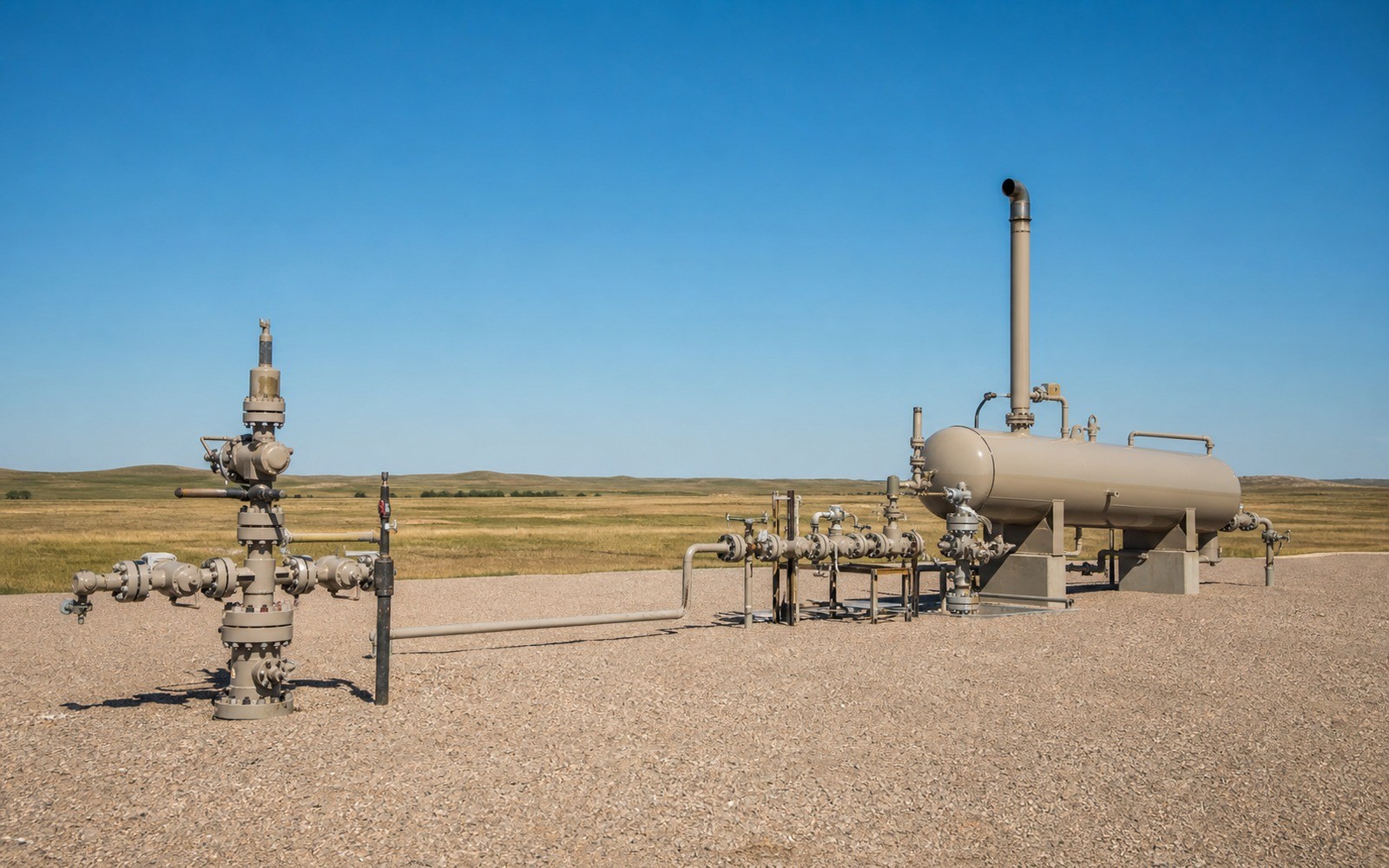
Cool sits out on the western fringe of the Barnett Shale, where the play thins out and drilling has always been more selective than it was further east.
Parker County never saw the well density that Tarrant and Denton counties did, but the acreage around Cool has still seen its share of leasing and drilling over the years, mostly on larger rural tracts that have stayed in the same families for generations. If your minerals sit out here, the story is usually less about subdivisions and more about ranchland that got leased once, drilled, and left to produce quietly ever since.
The Western Edge of the Barnett
The Barnett Shale thins and becomes less economic as you move west toward Parker County, which meant operators were choosier here than in the play's Tarrant County core. Wells that got drilled near Cool tended to be on the better-positioned tracts, and a lot of acreage in this part of the county was leased but never developed at all.
Ranchland Title and Weatherford Records
Parker County's deed and probate records run through the courthouse in Weatherford, and out around Cool it's common to find minerals still held under a ranching family's original name, sometimes for three or four generations. We pull those records directly rather than asking you to track down old paperwork yourself.
Producing vs. Leased-But-Undrilled Acreage
If your tract near Cool has an active well, we price it against your recent statements. If it was leased at some point but no well was ever drilled, that's a non-producing interest, and its value depends on whether there's any current leasing or permitting activity nearby. We'll tell you plainly which situation applies to your acreage.
Place the county tract on the basin board
The local file should tie the county record and legal description to the relevant basin, formation, field, unit, wells, permits, and operator position. A surface address can help find the tract, but it does not establish the mineral interest or prove participation in nearby development.
Read the local well vintages
Producing wells, shut-in wells, intermittent wells, newer laterals, older vertical wells, nearby completions, and general operator acreage in the surrounding area belong in separate evidence lanes. The paid property history carries more weight than a rig or permit that does not include the subject acreage.
Reconcile the ownership line
Deeds, reservations, leases, assignments, probate or trust records, division orders, unit documents, payor records, and statements should all point to the same local interest. Acreage, fractions, burdens, depths, products, and the paid decimal stay open until the supporting records agree.
Compare the deed and closing terms
A written offer for the tract should state the exact interest conveyed, effective date, receivables, reservations, title standard, curative responsibility, adjustment rights, payment conditions, and recording sequence. A strong headline number can still carry a broad deed or a weak closing condition.
Texas Owner Questions
There's no well on your land near Cool. Is your mineral interest still worth anything?
It can be, depending on nearby activity, but undeveloped acreage on the fringe of the Barnett is priced differently than a producing interest. We check current permits near your tract before quoting.
Your family has owned this ranch near Cool for generations. How do you confirm ownership that old?
We pull deed and probate records from the Parker County Clerk in Weatherford and work from whatever documentation exists, including older handwritten deeds when necessary.
Why does Cool see less drilling than counties further east?
The Barnett Shale becomes thinner and less economically productive moving west, so operators historically focused their heaviest development in the play's core counties further east.