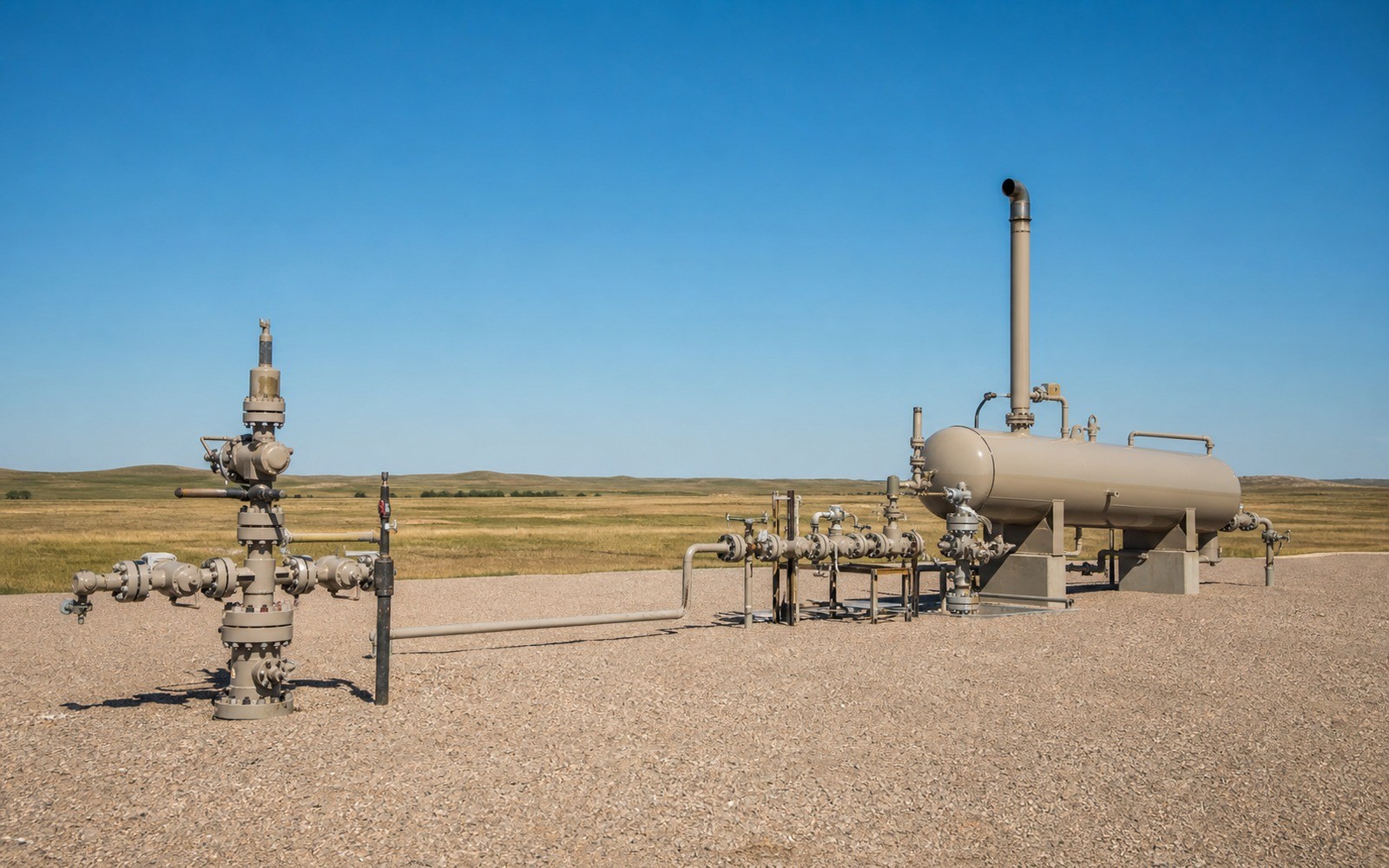
Encinal sits south of Cotulla in La Salle County, close enough to the Eagle Ford's original boom epicenter that most acreage here has some drilling history behind it.
La Salle County was ground zero for the Eagle Ford's early development, and Encinal shared in that activity even as the bulk of attention went to Cotulla up the highway. Ranch tracts around Encinal were leased heavily during the boom years, and a lot of that acreage has been producing, and declining, for well over a decade now.
South of the Boom's Center, Still in the Core
Being a bit further south of Cotulla didn't put Encinal outside the Eagle Ford's productive core. Operators worked this stretch of La Salle County hard during the initial development years, and the geology here supports the same oil and condensate production that made the play famous.
Ranch Title in La Salle County
Land around Encinal tends to be held in larger ranch tracts, often by the same families for multiple generations. We trace mineral ownership through La Salle County's deed and probate records, which for a well-established ranch can mean working through several decades of filings to confirm the current chain of title.
A Decade-Plus of Decline
Wells near Encinal that were drilled during the original boom are now well past their peak, sitting on the long tail typical of mature Eagle Ford production. We price a producing interest against your recent statements, which reflect that current, settled production level.
Place the county tract on the basin board
The local file should tie the county record and legal description to the relevant basin, formation, field, unit, wells, permits, and operator position. A surface address can help find the tract, but it does not establish the mineral interest or prove participation in nearby development.
Read the local well vintages
Producing wells, shut-in wells, intermittent wells, newer laterals, older vertical wells, nearby completions, and general operator acreage in the surrounding area belong in separate evidence lanes. The paid property history carries more weight than a rig or permit that does not include the subject acreage.
Reconcile the ownership line
Deeds, reservations, leases, assignments, probate or trust records, division orders, unit documents, payor records, and statements should all point to the same local interest. Acreage, fractions, burdens, depths, products, and the paid decimal stay open until the supporting records agree.
Compare the deed and closing terms
A written offer for the tract should state the exact interest conveyed, effective date, receivables, reservations, title standard, curative responsibility, adjustment rights, payment conditions, and recording sequence. A strong headline number can still carry a broad deed or a weak closing condition.
Texas Owner Questions
Is Encinal considered part of the Eagle Ford's core, even though it's south of Cotulla?
Yes. This stretch of La Salle County sits well within the play's productive fairway, and operators developed it heavily during the original boom years.
How far back do La Salle County ranch records typically go?
It varies by family, but multi-generation ownership is common here. We work through however many decades of deed and probate filings your specific tract's history requires.
What does your well's production look like today compared to when it was first drilled?
Almost certainly lower, following the steep initial decline typical of Eagle Ford wells before settling into a longer, shallower tail. We price against your current statements, not the historical peak.
What if you are one of several heirs and you do not all agree on selling?
That's fine. Each heir's percentage is theirs alone to sell, regardless of what the rest of the family decides to do.