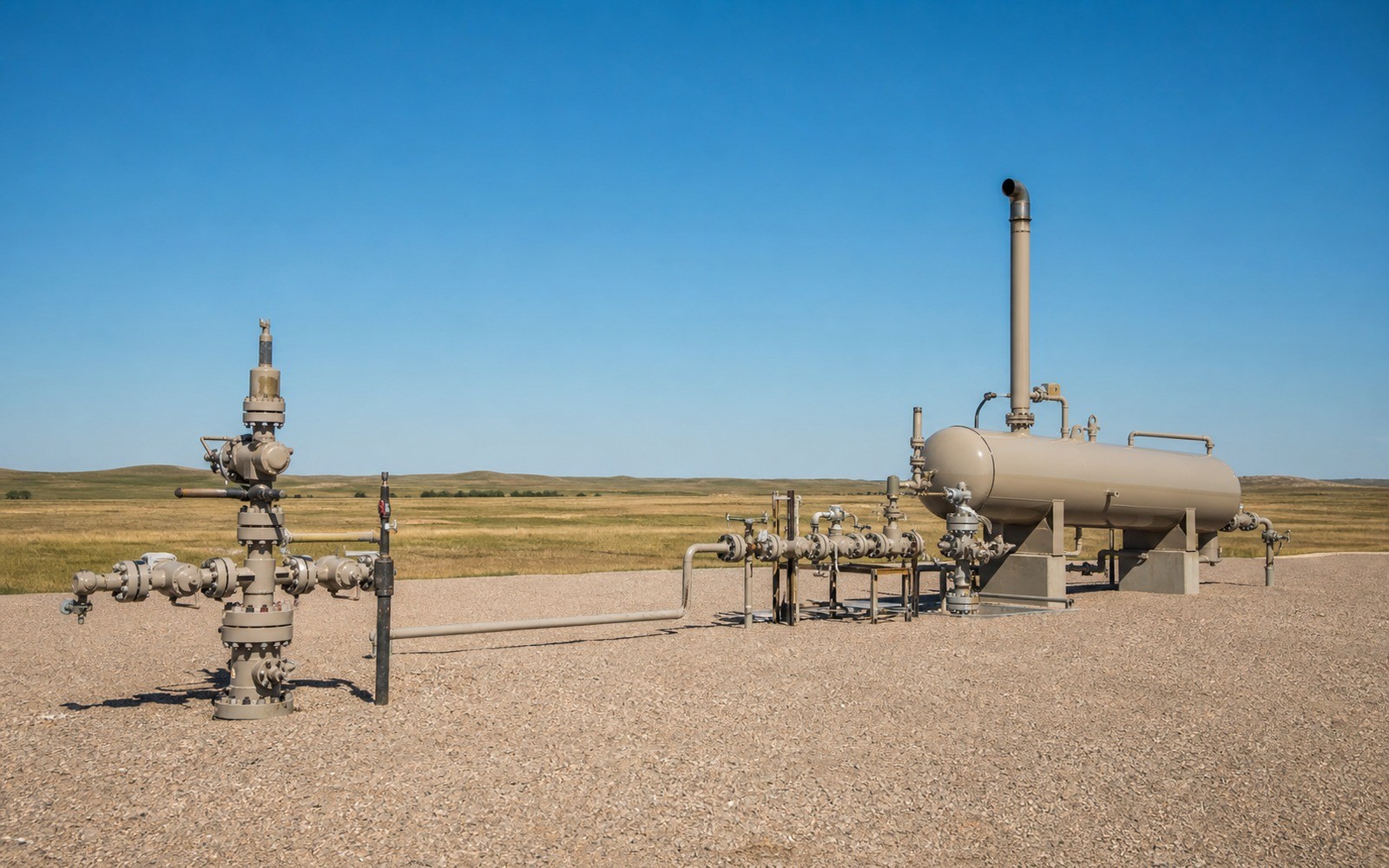
Four Points sits in Webb County ranch country that was some of the earliest Eagle Ford acreage drilled once operators pushed the play south toward Laredo.
This part of Webb County is closer to the oil window than the gassier acreage farther north and east in the play, and a lot of the ranch land here has stayed with the same families for generations, with mineral interests split among heirs long before the Eagle Ford boom ever started.
Four Points doesn't have its own courthouse or city hall, it's an unincorporated community defined by its census designation more than any municipal boundary, but the deed records covering it are as thorough as anywhere else in Webb County.
Webb County's place in the Eagle Ford
Operators worked Webb County hard in the early 2010s as the Eagle Ford play matured, drilling horizontal wells that tend to produce a heavier oil and condensate mix than the core gas window farther northeast. That production makeup affects how your royalty responds to oil price swings compared to a gassier tract.
Ranch family ownership and long chains
It's common for a Four Points-area interest to be split many ways among descendants of the original ranching family, sometimes without a formal partition ever filed. We pull the deed and probate history through the Webb County Clerk's office in Laredo to confirm exactly what share you hold before quoting.
Where these wells stand today
Most Eagle Ford wells in this area are now a decade or more into production and well down the decline curve from their early peak. A modest, steady check now is typical for a mature well, and it's what we price against, current volumes and current oil pricing rather than the well's best year.
Place the county tract on the basin board
The local file should tie the county record and legal description to the relevant basin, formation, field, unit, wells, permits, and operator position. A surface address can help find the tract, but it does not establish the mineral interest or prove participation in nearby development.
Read the local well vintages
Producing wells, shut-in wells, intermittent wells, newer laterals, older vertical wells, nearby completions, and general operator acreage in the surrounding area belong in separate evidence lanes. The paid property history carries more weight than a rig or permit that does not include the subject acreage.
Reconcile the ownership line
Deeds, reservations, leases, assignments, probate or trust records, division orders, unit documents, payor records, and statements should all point to the same local interest. Acreage, fractions, burdens, depths, products, and the paid decimal stay open until the supporting records agree.
Compare the deed and closing terms
A written offer for the tract should state the exact interest conveyed, effective date, receivables, reservations, title standard, curative responsibility, adjustment rights, payment conditions, and recording sequence. A strong headline number can still carry a broad deed or a weak closing condition.
Texas Owner Questions
Is your interest oil-heavy or gas-heavy?
Webb County acreage in the Eagle Ford tends to skew toward oil and condensate. We confirm your specific well's production mix before quoting.
Your family's ranch has been split among many heirs. Can you still buy your portion?
Yes, we buy individual fractional shares and don't require every heir to agree to a sale.
How do you find your legal description if you only know the ranch name?
We can often trace the tract through Webb County Clerk records using the family or ranch name as a starting point.
Does an unincorporated community like Four Points have its own deed records?
No, all deed and probate filings covering this area are recorded with Webb County directly, which is where we do our title research.