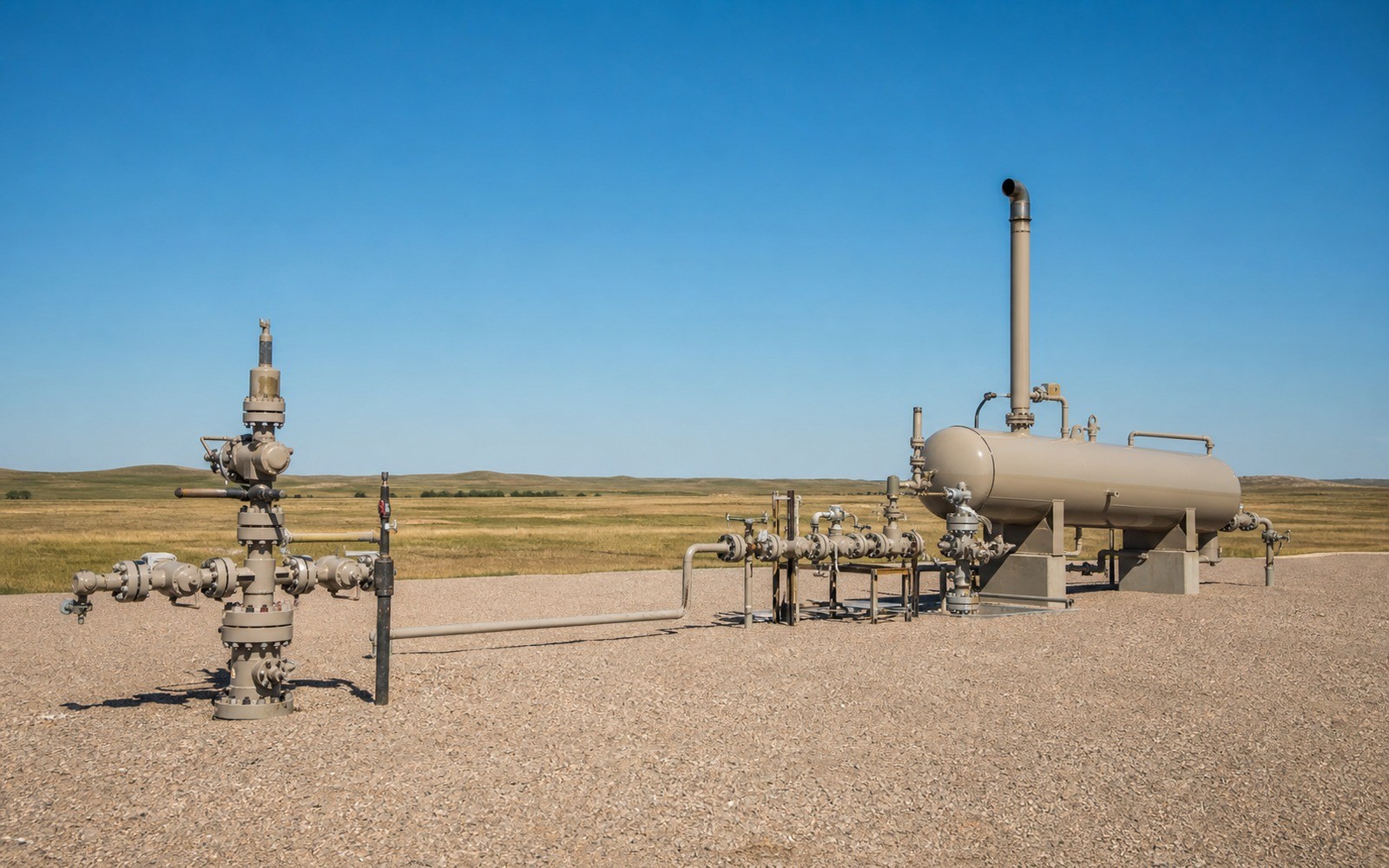
George West is the Live Oak County seat, sitting near the edge of the Eagle Ford's oil window where the play transitions toward more condensate-rich production.
Live Oak County saw significant drilling through the Eagle Ford's peak years, and George West's courthouse holds the deed and probate records for a lot of the ranch families whose land carries those wells today. This is brush country that's supported both cattle and oil for generations, sometimes on the same tract at the same time.
The town markets itself around its famous rattlesnake mascot, but the local economy has leaned on oil and gas royalties for decades, going back well before the Eagle Ford, to earlier conventional production in the county.
Where George West sits in the play
This part of Live Oak County produces a mix of oil and condensate that shifts somewhat depending on exactly where your tract sits relative to the play's window boundaries. We check your specific well's production mix rather than assuming it matches a neighboring county's reputation.
Courthouse research in Live Oak County
We pull your deed and transfer history from the Live Oak County Clerk's office in George West and match your legal description to the correct Railroad Commission unit. Ranch tracts here sometimes carry decades of family transfers, which we work through methodically before quoting.
A mature Eagle Ford well
Wells feeding units near George West are mostly a decade or more old at this point and well into their decline. A steady, smaller check today reflects that maturity, and it's what we base a fair offer on, current production and current pricing.
Place the county tract on the basin board
The local file should tie the county record and legal description to the relevant basin, formation, field, unit, wells, permits, and operator position. A surface address can help find the tract, but it does not establish the mineral interest or prove participation in nearby development.
Read the local well vintages
Producing wells, shut-in wells, intermittent wells, newer laterals, older vertical wells, nearby completions, and general operator acreage in the surrounding area belong in separate evidence lanes. The paid property history carries more weight than a rig or permit that does not include the subject acreage.
Reconcile the ownership line
Deeds, reservations, leases, assignments, probate or trust records, division orders, unit documents, payor records, and statements should all point to the same local interest. Acreage, fractions, burdens, depths, products, and the paid decimal stay open until the supporting records agree.
Compare the deed and closing terms
A written offer for the tract should state the exact interest conveyed, effective date, receivables, reservations, title standard, curative responsibility, adjustment rights, payment conditions, and recording sequence. A strong headline number can still carry a broad deed or a weak closing condition.
Texas Owner Questions
Where are Live Oak County's deed records kept?
At the county clerk's office in George West, the county seat, which is where we start any title search for a tract in this area.
Does your tract produce more oil or more gas?
It depends on exactly where your acreage sits relative to the Eagle Ford's window boundaries. We check your specific well's data before quoting.
Your family still runs cattle on the surface. Does that affect a mineral sale?
No, mineral and surface rights are separate estates. Selling your minerals doesn't affect ranching operations on the land at all.
Does your interest include older conventional production, not only Eagle Ford wells?
It can. We check every wellbore tied to your tract, including older conventional wells that predate the Eagle Ford, before making an offer.