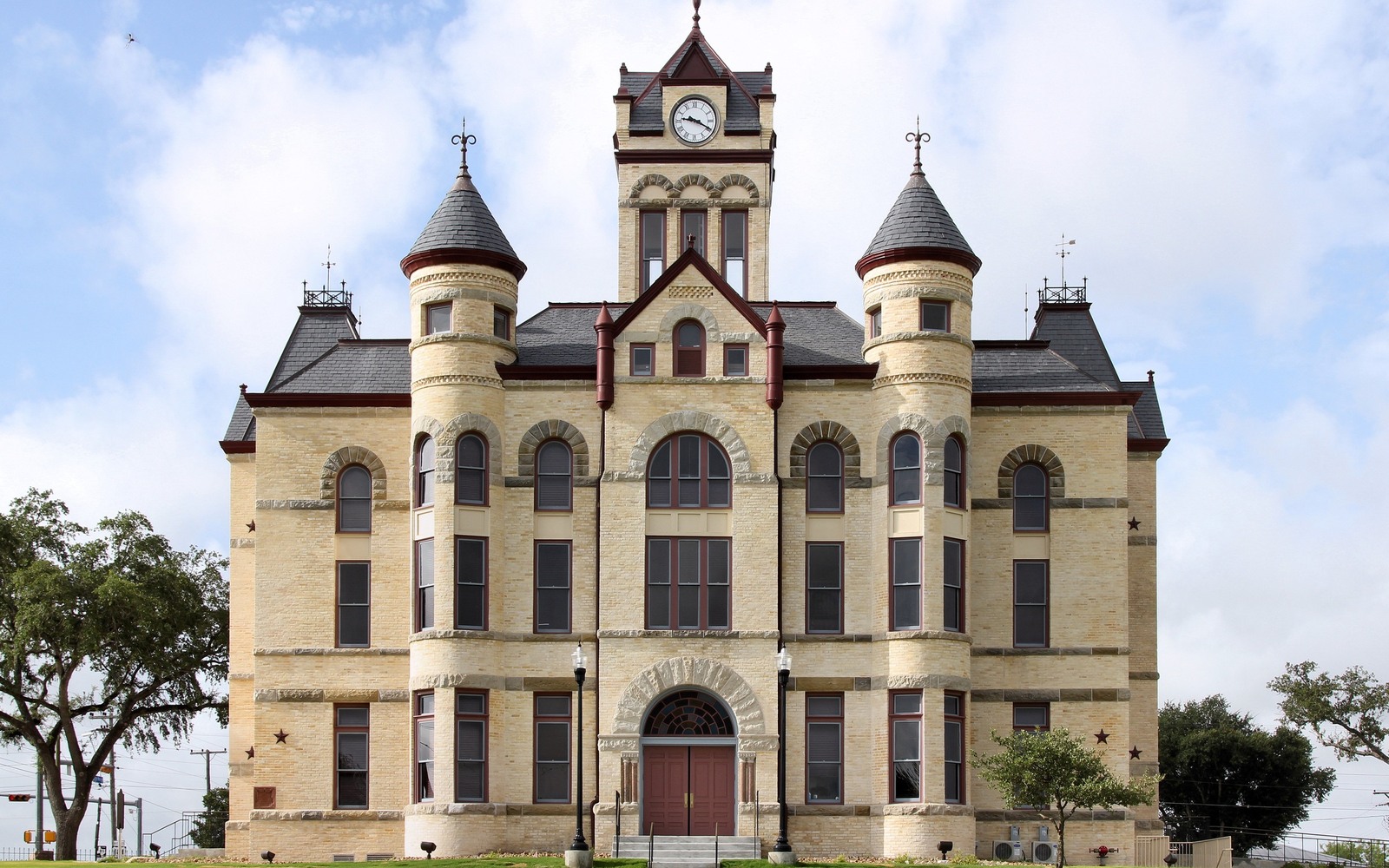
Karnes City sits dead in the Eagle Ford core, and the courthouse two blocks off the square holds the deed history to prove it.
Karnes City is the county seat, which means every division order, every old lease, and every probate that ever touched a tract here ran through the Karnes County Clerk's office downtown. That's a good thing if you're trying to sell — chain of title is usually easier to run down than in counties where the records got shuffled between annexes over the decades.
Core Eagle Ford, Not the Edge
Land around Karnes City sits in the oil window of the Eagle Ford, the stretch operators talk about when they talk about the play's best economics. Lower Eagle Ford and Austin Chalk both produce in this part of the county, and a lot of tracts here carry both zones in the same lease.
Spacing units around town have been drilled and re-drilled since the boom years, which means most mineral owners here are sitting on production history, not speculation. That history is exactly what a buyer prices against.
Who's Held Acreage Here
Marathon, Murphy, and ConocoPhillips have all held or operated acreage in the Karnes City area at different points, and interests have changed hands more than once as operators traded blocks. If your royalty checks come from a company different than the one on your original lease, that's normal for this part of the county — it doesn't change your ownership.
Family Tracts and Fractional Shares
A lot of minerals in and around Karnes City trace back to ranch families who never sold the surface but leased the minerals generations back. What we see most often now is those interests split five, six, eight ways among heirs, each holding a small net mineral acreage that barely shows up as a line item on a royalty statement.
If your interest is fractional and undivided, you don't need every co-owner to agree to sell your share. Each heir controls their own piece.
Place the county tract on the basin board
The local file should tie the county record and legal description to the relevant basin, formation, field, unit, wells, permits, and operator position. A surface address can help find the tract, but it does not establish the mineral interest or prove participation in nearby development.
Read the local well vintages
Producing wells, shut-in wells, intermittent wells, newer laterals, older vertical wells, nearby completions, and general operator acreage in the surrounding area belong in separate evidence lanes. The paid property history carries more weight than a rig or permit that does not include the subject acreage.
Reconcile the ownership line
Deeds, reservations, leases, assignments, probate or trust records, division orders, unit documents, payor records, and statements should all point to the same local interest. Acreage, fractions, burdens, depths, products, and the paid decimal stay open until the supporting records agree.
Compare the deed and closing terms
A written offer for the tract should state the exact interest conveyed, effective date, receivables, reservations, title standard, curative responsibility, adjustment rights, payment conditions, and recording sequence. A strong headline number can still carry a broad deed or a weak closing condition.
Texas Owner Questions
Do you need to pull your own title work before you talk to you?
No. We pull the Karnes County records ourselves once we have your legal description or a recent division order. Bring what you have — it speeds things up but isn't required to start.
Your check comes from a company you have never heard of. Is that a problem?
Not usually. Operators and working interest owners trade acreage in this county often. We can trace the chain from your statement back to the current operator of record.
Is your land actually in the productive area or just close to it?
We check spacing unit and permit data by legal description before we quote anything, so you're not guessing whether your tract is core or flank.
What's your mineral interest worth?
It depends on your net mineral acres, current production or lack of it, and recent activity nearby. We build a number off your actual royalty history and comparable deals, not a flat rate.