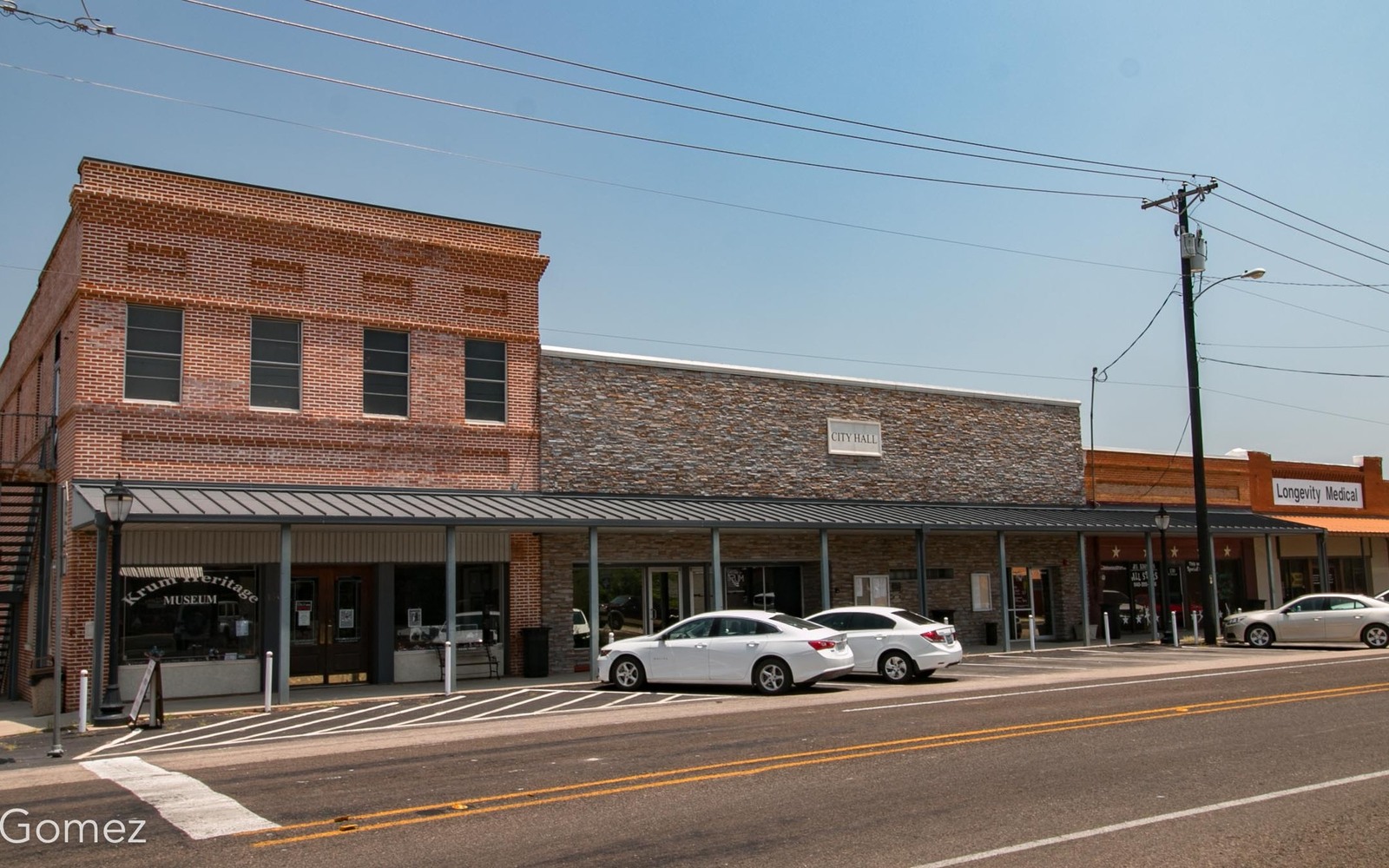
Krum kept its farm-town feel even as Denton County filled in around it, and a fair number of families here still hold the mineral rights their grandparents never sold.
Krum's growth came later than a lot of Denton County, which means more of the mineral ownership around town stayed with the original farming and ranching families rather than getting sold off piecemeal to developers. If your family has owned land near Krum for a couple of generations, there's a decent chance a Barnett lease and a producing unit sit underneath it whether you've ever thought about it or not.
The Barnett Under Farm Country
Denton County's Barnett wells reached out toward Krum during the drilling boom, and horizontal laterals from pads elsewhere in the county often extend for a mile or more, meaning production doesn't have to come from a wellhead visible on your own land to still involve your minerals.
Most units in this part of the county are held by production at this point and have a long enough history that we can build a real valuation, not a guess.
Old Leases, New Owners
A lot of the leases covering Krum-area acreage were signed in the 2000s by a generation that's since passed the land, and the minerals with it, down to children and grandchildren. If you're the current owner and the lease predates you, we can pull the Denton County deed and lease history to confirm your standing before quoting anything.
From Confirmation to Closing
Once ownership and unit are confirmed, we price your interest against that unit's actual production history and build a straightforward offer. If you accept, we manage the deed and county filing, and most Krum-area sales close within a few weeks of agreement.
Place the county tract on the basin board
The local file should tie the county record and legal description to the relevant basin, formation, field, unit, wells, permits, and operator position. A surface address can help find the tract, but it does not establish the mineral interest or prove participation in nearby development.
Read the local well vintages
Producing wells, shut-in wells, intermittent wells, newer laterals, older vertical wells, nearby completions, and general operator acreage in the surrounding area belong in separate evidence lanes. The paid property history carries more weight than a rig or permit that does not include the subject acreage.
Reconcile the ownership line
Deeds, reservations, leases, assignments, probate or trust records, division orders, unit documents, payor records, and statements should all point to the same local interest. Acreage, fractions, burdens, depths, products, and the paid decimal stay open until the supporting records agree.
Compare the deed and closing terms
A written offer for the tract should state the exact interest conveyed, effective date, receivables, reservations, title standard, curative responsibility, adjustment rights, payment conditions, and recording sequence. A strong headline number can still carry a broad deed or a weak closing condition.
Texas Owner Questions
The original lease has a name you do not recognize on it. Is that normal?
Very common. Original lessors have often passed the interest to heirs, and operators change over time too. We trace the current chain of ownership through the county clerk's records.
How do you determine value on farmland minerals like this?
We look at the specific unit's production history, decline curve, and recent county activity, then price your net mineral acres against that, not a flat countywide number.
Do you handle the closing paperwork?
Yes, we manage the deed and filing with the Denton County Clerk once you accept an offer.
What if your family's original farmland has since been split among heirs?
Each heir's undivided share can be sold independently of what other family members decide.