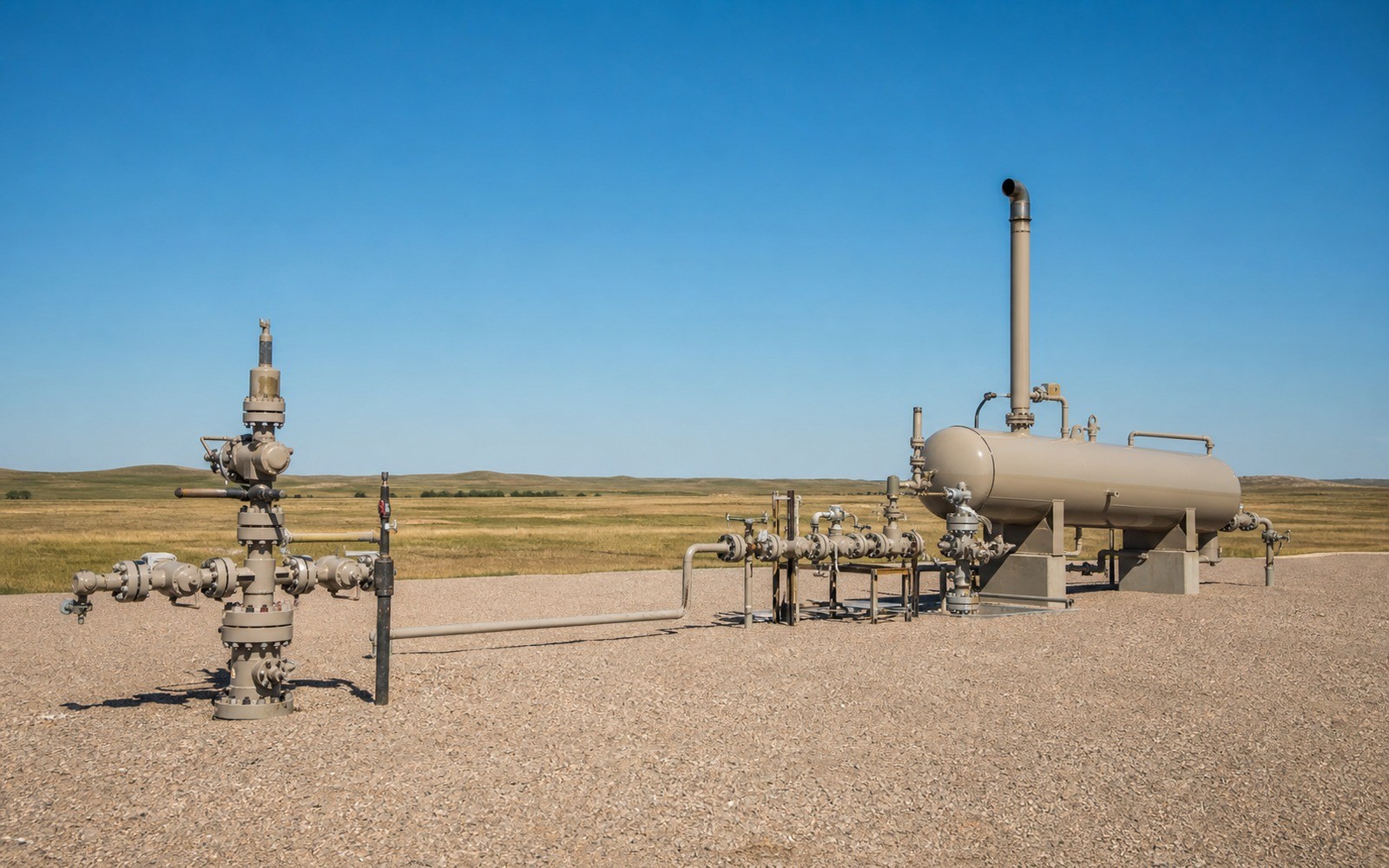
Lakeside is one of the smaller towns tucked along the Barnett's urban stretch, and its mineral records are tangled up with the same pooling that shaped its bigger neighbors.
Small as it is, Lakeside sat right in the path of Tarrant County's Barnett buildout, and units here were pooled with acreage from surrounding towns as operators tried to assemble large enough blocks for efficient horizontal wells. Owners here often hold a small piece of a unit that stretches well beyond the town's own boundaries.
Small Town, Large Unit
Because Lakeside's footprint is limited, most producing units touching the town pull in acreage from neighboring areas too. Your ownership share is proportional to your net mineral acres within that larger unit, which is why two neighbors with similarly sized lots can end up with different royalty amounts depending on exactly how the pooling lines were drawn.
We pull the actual pooling order and division order records to confirm your specific share rather than assuming based on lot size alone.
Long-Tail Production
Most wells feeding Lakeside-area units were drilled well over a decade ago and are now producing at a fraction of their initial rate. That's typical for this stretch of the Barnett and is factored directly into how we build an offer.
Closing on a Lakeside Interest
Once we confirm your specific share of the pooling order, we put together an offer and, if you accept, handle the deed preparation and Tarrant County filing ourselves, keeping the process straightforward from your end.
Place the county tract on the basin board
The local file should tie the county record and legal description to the relevant basin, formation, field, unit, wells, permits, and operator position. A surface address can help find the tract, but it does not establish the mineral interest or prove participation in nearby development.
Read the local well vintages
Producing wells, shut-in wells, intermittent wells, newer laterals, older vertical wells, nearby completions, and general operator acreage in the surrounding area belong in separate evidence lanes. The paid property history carries more weight than a rig or permit that does not include the subject acreage.
Reconcile the ownership line
Deeds, reservations, leases, assignments, probate or trust records, division orders, unit documents, payor records, and statements should all point to the same local interest. Acreage, fractions, burdens, depths, products, and the paid decimal stay open until the supporting records agree.
Compare the deed and closing terms
A written offer for the tract should state the exact interest conveyed, effective date, receivables, reservations, title standard, curative responsibility, adjustment rights, payment conditions, and recording sequence. A strong headline number can still carry a broad deed or a weak closing condition.
Texas Owner Questions
Why is your check so small compared to what you have heard about Barnett royalties?
Most Tarrant County wells are far past their peak output now, and pooled units split payments across many small owners. Small checks are the norm at this stage, not a sign of a problem.
Can you sell if you do not have a copy of your lease?
Yes, we can usually identify your unit and ownership through county and operator records even without the original lease in hand.
How is the offer amount determined?
We base it on your net mineral acres, the specific unit's production and decline history, and recent comparable transactions in the area.
Do you need to involve your neighbors who share the pooled unit?
No, your interest is yours to sell independent of what other owners in the unit decide to do.