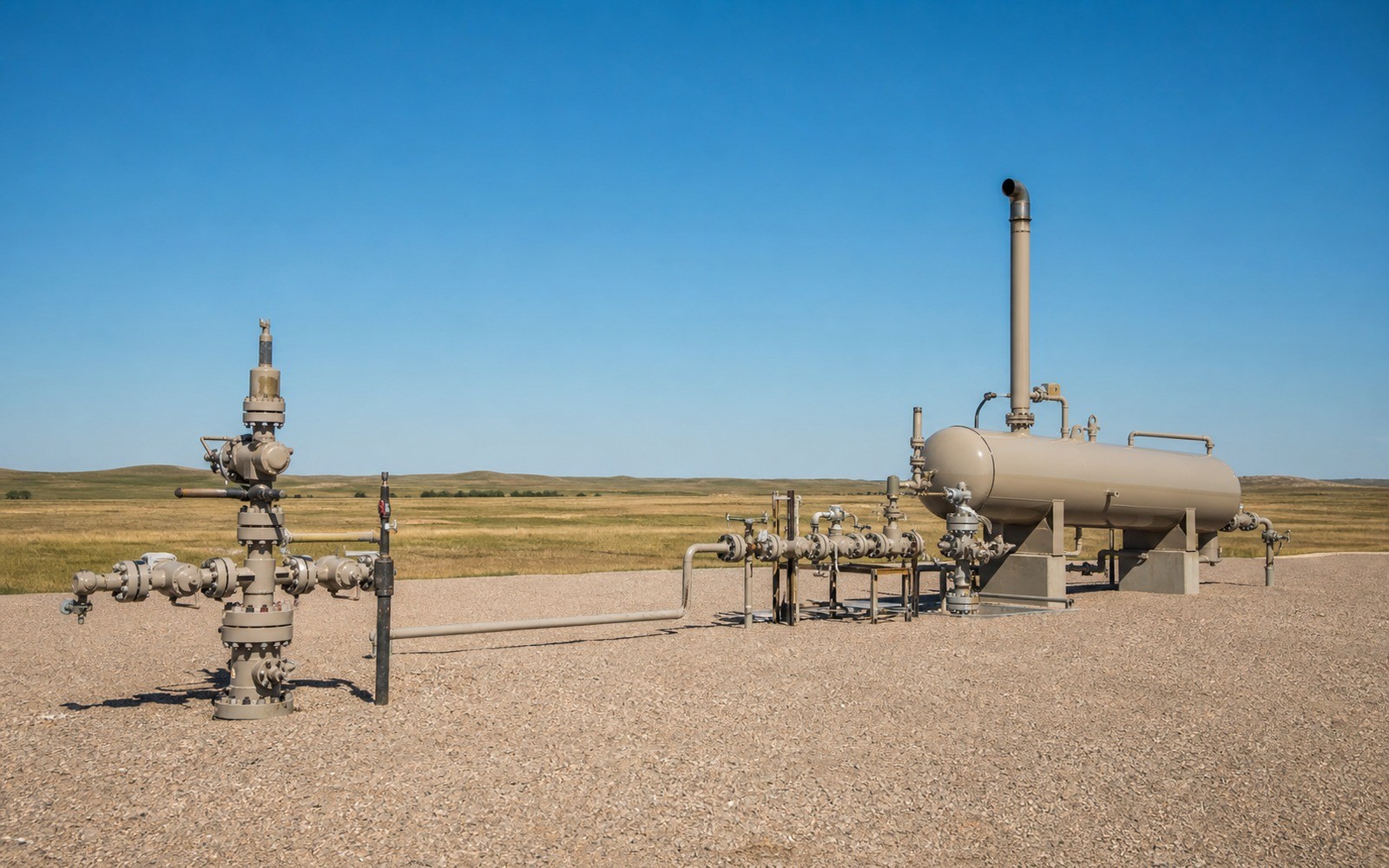
Las Pilas sits out in the brush country east of Laredo, land that stayed working ranchland longer than the subdivisions closer to the interstate.
Being further from the city's growth corridor, this part of Webb County has a mineral history more tied to older ranch ownership than to recent residential development. Families here are more likely to hold interests that trace back through direct inheritance from an original ranching operation rather than through a subdivided lot purchase.
Brush Country Ranching and Minerals
Eastern Webb County has stayed rural longer than the areas nearer Laredo, and mineral ownership here tends to run in larger blocks tied to working ranches rather than the small platted lots found in some of the county's other communities. If your family's interest traces to a ranch in this part of the county, it's likely part of a larger unit shared among several heirs.
We check the specific spacing unit and current operator tied to your legal description, since activity in this part of the county has developed somewhat differently than acreage closer to the city.
Confirming a Rural Chain of Title
Ranch-family mineral records in this part of Webb County sometimes reflect informal transfers between family members over the years, alongside the formally recorded deeds. We work through the Webb County Clerk's office to establish a clean, current chain of title before quoting anything.
Pricing a Ranch-Family Interest
Once ownership is confirmed, we price the interest against the specific unit's actual production and permit data for this part of eastern Webb County. If a number works, we handle the closing and county filing directly, so the family doesn't have to manage the paperwork.
Place the county tract on the basin board
The local file should tie the county record and legal description to the relevant basin, formation, field, unit, wells, permits, and operator position. A surface address can help find the tract, but it does not establish the mineral interest or prove participation in nearby development.
Read the local well vintages
Producing wells, shut-in wells, intermittent wells, newer laterals, older vertical wells, nearby completions, and general operator acreage in the surrounding area belong in separate evidence lanes. The paid property history carries more weight than a rig or permit that does not include the subject acreage.
Reconcile the ownership line
Deeds, reservations, leases, assignments, probate or trust records, division orders, unit documents, payor records, and statements should all point to the same local interest. Acreage, fractions, burdens, depths, products, and the paid decimal stay open until the supporting records agree.
Compare the deed and closing terms
A written offer for the tract should state the exact interest conveyed, effective date, receivables, reservations, title standard, curative responsibility, adjustment rights, payment conditions, and recording sequence. A strong headline number can still carry a broad deed or a weak closing condition.
Texas Owner Questions
Your family's ranch has been passed down informally over the years. Can you still confirm your ownership?
Usually yes, though it may take additional courthouse research to establish clear title through incomplete or informal transfers.
Is eastern Webb County as actively drilled as the rest of the county?
Activity varies by exact location. We check current permit and production data specific to your tract.
What if several family members share the ranch's mineral interest?
Each heir can sell their own undivided share independently.
Do you travel out to rural properties like this to verify anything?
No, all our research is done through county courthouse and operator records, so nothing about the process requires an on-site visit.