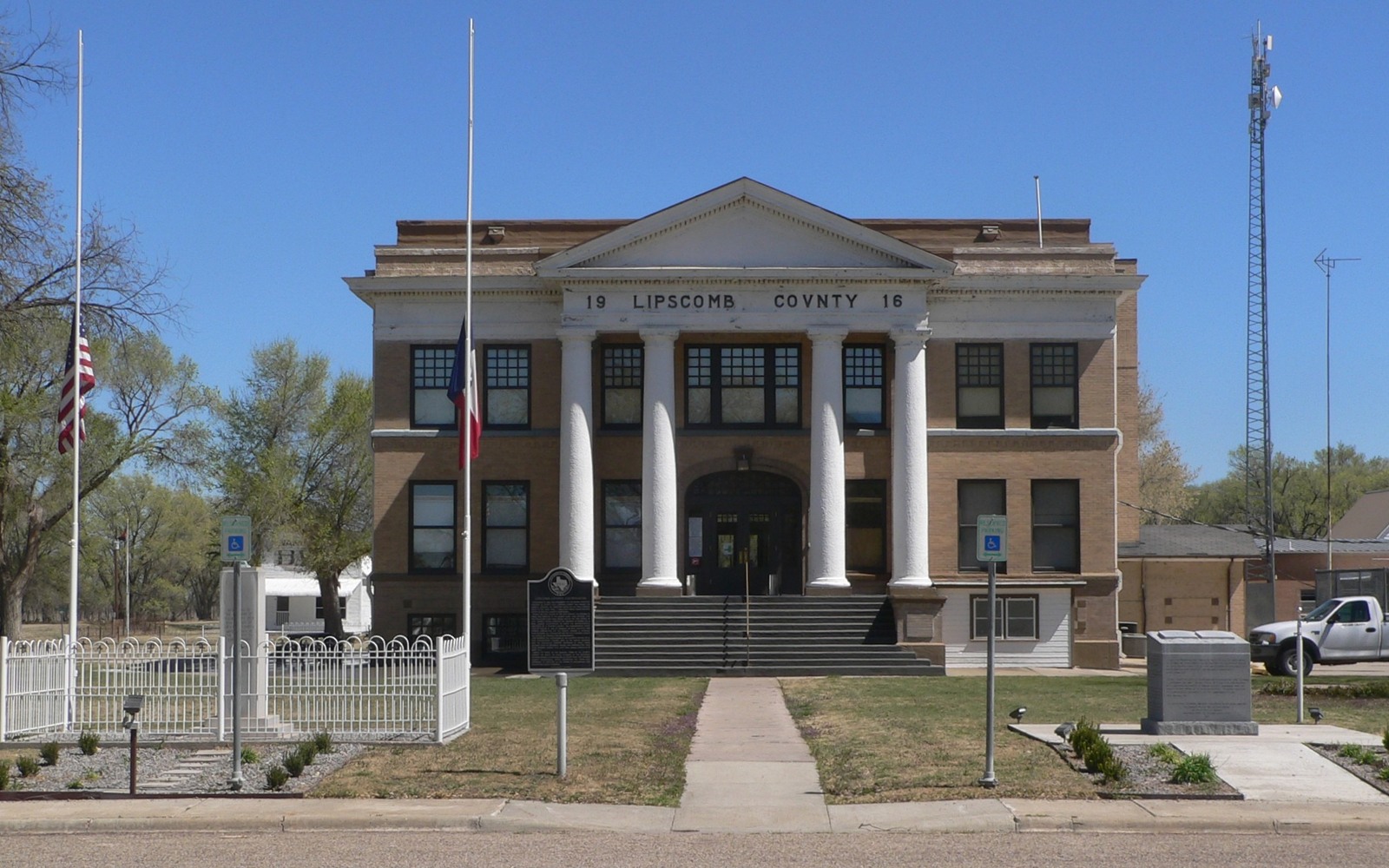
Lipscomb is the county seat of the county that shares its name, tucked into the far northeast corner of the Panhandle where the Anadarko Basin's Granite Wash has quietly produced for decades.
This part of Texas doesn't get the attention the Permian or Eagle Ford do, but Lipscomb County has a long history of Anadarko Basin production, and the Granite Wash formation here has supported both vertical and, more recently, horizontal drilling. Ownership around Lipscomb often traces to ranching families whose minerals have generated royalty income across multiple decades and multiple operators.
Granite Wash Country
The Granite Wash is a tight, layered formation, and Lipscomb County acreage has been developed with both older vertical wells and newer horizontal completions targeting specific benches within it. That mix means a single tract can carry more than one lease, covering different depths drilled decades apart.
Because this area has a long production history, we typically have real decline curve data to work from when pricing an interest, rather than relying on projections alone.
Ranch Families and County Records
Lipscomb County's courthouse holds deed and lease records going back through generations of ranch ownership. If your family's minerals trace back to an original homestead or ranch patent, we can work through that chain even if it predates modern record-keeping conventions.
What an Offer Looks Like Here
Once we confirm ownership and the specific lease or unit involved, we price the interest against real Granite Wash production data. If you accept, we handle deed preparation and filing with the Lipscomb County Clerk directly.
Place the county tract on the basin board
The local file should tie the county record and legal description to the relevant basin, formation, field, unit, wells, permits, and operator position. A surface address can help find the tract, but it does not establish the mineral interest or prove participation in nearby development.
Read the local well vintages
Producing wells, shut-in wells, intermittent wells, newer laterals, older vertical wells, nearby completions, and general operator acreage in the surrounding area belong in separate evidence lanes. The paid property history carries more weight than a rig or permit that does not include the subject acreage.
Reconcile the ownership line
Deeds, reservations, leases, assignments, probate or trust records, division orders, unit documents, payor records, and statements should all point to the same local interest. Acreage, fractions, burdens, depths, products, and the paid decimal stay open until the supporting records agree.
Compare the deed and closing terms
A written offer for the tract should state the exact interest conveyed, effective date, receivables, reservations, title standard, curative responsibility, adjustment rights, payment conditions, and recording sequence. A strong headline number can still carry a broad deed or a weak closing condition.
Texas Owner Questions
Is the Granite Wash still being actively drilled near Lipscomb?
Activity varies with commodity prices, but the formation remains a target for both vertical and horizontal development. We check current status for your tract.
Your family's lease is very old. Can it still be traced?
Yes, we work through Lipscomb County courthouse records regardless of how far back the original lease goes.
How is a Granite Wash interest valued differently than a shale play interest?
We look at the specific zones under lease, the well's production history, and current activity, the same fundamentals as any other play, adjusted for this formation's characteristics.
Do you buy small interests in a county with such a small population?
Yes, we evaluate interests of any size in Lipscomb County, regardless of the county's population.
Is the process different for a Granite Wash interest compared to a shale interest?
The underlying research and valuation steps are the same; we simply account for the formation's specific production characteristics.