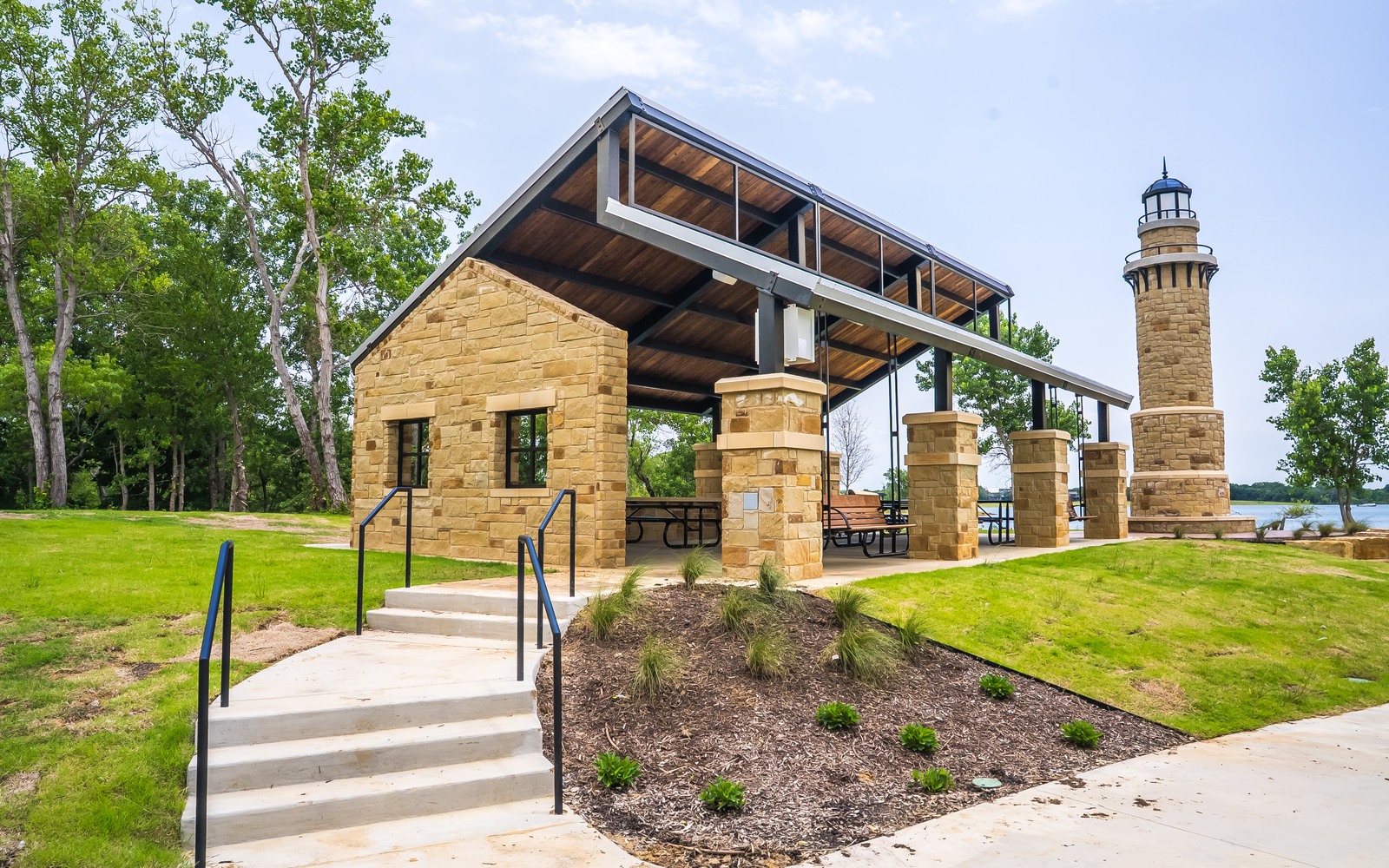
Little Elm grew from a small lake town into one of Denton County's fastest-developing cities, and its mineral ownership records still carry the fingerprints of the farmland that came before the subdivisions.
The pace of residential growth in Little Elm over the last two decades outstripped almost anywhere else in Denton County, but the mineral leasing under the town happened earlier, during the Barnett boom, before most of the current housing stock existed. Ownership here often traces back to a family that farmed or ranched the land before it was platted for development.
Older Leases Under Newer Homes
Because the leasing came before the building boom, current Little Elm homeowners typically don't hold the minerals under their lots — those were reserved earlier, often by the original landowning family or an intermediate buyer. If you're a descendant of one of those original owners, that reserved interest may still be sitting in your family's name, generating small royalty payments nobody's paid much attention to.
We trace these through Denton County deed and probate records regularly, so an old family name on a decades-old lease isn't a dead end for us.
Value in a Mature, Growing Area
The wells feeding units around Little Elm are mature Barnett producers, well past their initial peak. Growth on the surface hasn't changed what's happening underground — production continues on its natural decline, and that's what determines the value of your interest, not the town's population growth.
From Family Interest to Closing
Once we've confirmed your family's ownership and the specific unit involved, we price the interest against real production data and handle the deed preparation and Denton County filing directly if you accept.
Place the county tract on the basin board
The local file should tie the county record and legal description to the relevant basin, formation, field, unit, wells, permits, and operator position. A surface address can help find the tract, but it does not establish the mineral interest or prove participation in nearby development.
Read the local well vintages
Producing wells, shut-in wells, intermittent wells, newer laterals, older vertical wells, nearby completions, and general operator acreage in the surrounding area belong in separate evidence lanes. The paid property history carries more weight than a rig or permit that does not include the subject acreage.
Reconcile the ownership line
Deeds, reservations, leases, assignments, probate or trust records, division orders, unit documents, payor records, and statements should all point to the same local interest. Acreage, fractions, burdens, depths, products, and the paid decimal stay open until the supporting records agree.
Compare the deed and closing terms
A written offer for the tract should state the exact interest conveyed, effective date, receivables, reservations, title standard, curative responsibility, adjustment rights, payment conditions, and recording sequence. A strong headline number can still carry a broad deed or a weak closing condition.
Texas Owner Questions
Your grandparents owned land near Little Elm before it was developed. Could you still hold minerals?
Quite possibly. Original owners frequently reserved minerals when they sold to developers. Send us what family and location details you have and we'll trace the county records.
Does Little Elm's growth increase mineral values?
Not directly. Surface development and mineral production values move independently; what matters is the well and unit's actual output.
What if you only have a partial name or old address to go on?
That's often enough to start. We can search Denton County deed records from limited information.
Can multiple grandchildren who inherited a share each sell separately?
Yes, each heir's undivided fractional share is theirs to sell independent of the others.