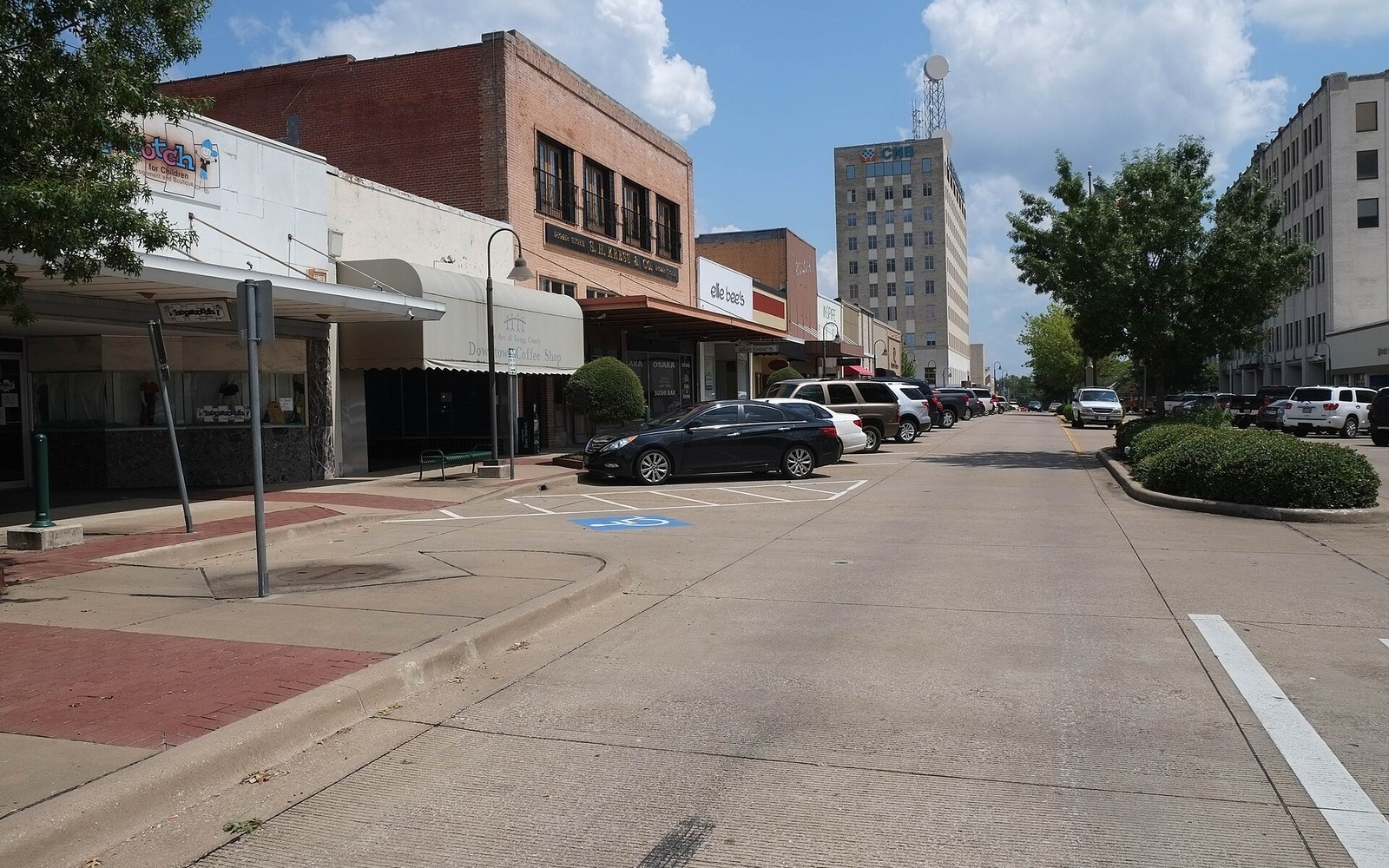
Longview sits across two counties, and a Haynesville mineral interest here can land in either Gregg or Harrison County's records depending on exactly where your tract falls.
Longview is East Texas's biggest city in Haynesville country, and the acreage around it, some inside city limits, more of it just outside, has been leased and drilled at real scale as the play developed. Because the city sits on the Gregg-Harrison County line, we check both counties' deed records when tracing a Longview-area interest.
The Haynesville's Deep Dry Gas
The Haynesville and Bossier shales sit much deeper than the Barnett or Eagle Ford, and wells here are expensive to drill but can produce at high initial rates. Activity around Longview has ebbed and flowed with natural gas prices more than most plays, since deep dry gas wells need a decent price to justify new drilling.
Existing production, though, continues regardless of whether new wells are being permitted, and that's what determines the value of an interest you already hold.
A County Line Running Through the City
Because Longview straddles Gregg and Harrison Counties, mineral interests here get filed under whichever county the specific tract or unit falls in, and it's not unusual for a family to hold interests recorded in both. We check both sets of records rather than assuming based on someone's mailing address alone.
What Comes After Confirming Ownership
Once we've traced your interest through the correct county's records, we price it against actual well and unit data. If you accept an offer, we handle the deed preparation and filing directly, regardless of which county it needs to go through.
Place the county tract on the basin board
The local file should tie the county record and legal description to the relevant basin, formation, field, unit, wells, permits, and operator position. A surface address can help find the tract, but it does not establish the mineral interest or prove participation in nearby development.
Read the local well vintages
Producing wells, shut-in wells, intermittent wells, newer laterals, older vertical wells, nearby completions, and general operator acreage in the surrounding area belong in separate evidence lanes. The paid property history carries more weight than a rig or permit that does not include the subject acreage.
Reconcile the ownership line
Deeds, reservations, leases, assignments, probate or trust records, division orders, unit documents, payor records, and statements should all point to the same local interest. Acreage, fractions, burdens, depths, products, and the paid decimal stay open until the supporting records agree.
Compare the deed and closing terms
A written offer for the tract should state the exact interest conveyed, effective date, receivables, reservations, title standard, curative responsibility, adjustment rights, payment conditions, and recording sequence. A strong headline number can still carry a broad deed or a weak closing condition.
Texas Owner Questions
You are not sure if your land is in Gregg or Harrison County. Does that matter?
We check both when researching a Longview-area interest, so it doesn't hold up the process.
Is Haynesville activity picking back up or slowing down right now?
It varies with gas prices and pipeline capacity. We factor current activity levels into any offer rather than assuming a fixed trend.
Do you buy interests with no current production?
Yes, non-producing interests in an active play like this still carry value based on nearby activity.
What if your property record lists an old address inside city limits?
We use your legal description, not only your mailing address, to determine which county's records apply.
Can two family members split a Longview interest between Gregg and Harrison County filings?
Each owner's share is handled based on their specific legal description, regardless of which county the paperwork ultimately sits in.