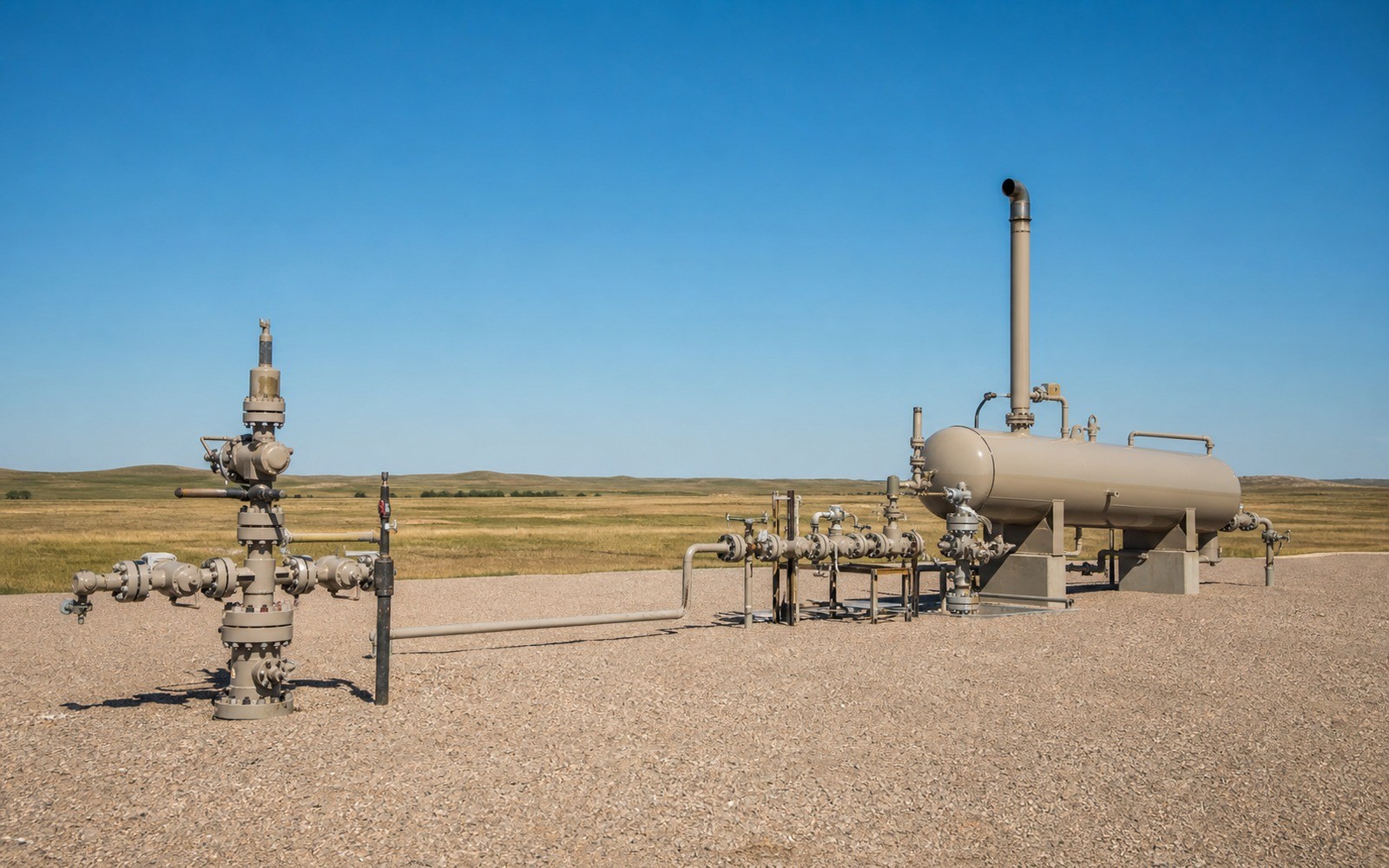
McMullen County has more producing Eagle Ford wells than people, and the Tilden courthouse has the deed room to prove it.
McMullen County sits squarely in the Eagle Ford Shale's most productive stretch, where the play runs condensate-rich and operators have drilled dense horizontal development across most of the county for over a decade. Mineral ownership here traces back to brush-country ranch families, the kind of land that stayed in the same hands for generations before the shale boom ever started.
That ranching history shapes how ownership looks today: large family tracts, interests split among many heirs, and deed language written for cattle and hunting leases decades before anyone drilled a horizontal well.
The Eagle Ford's Condensate Window
McMullen County sits in the Eagle Ford's condensate window, between the drier gas to the southeast and the oilier window to the northwest. That positioning has historically made McMullen County acreage attractive to operators chasing a mix of liquids-rich production, and it's a detail worth knowing when comparing your interest to a tract in a different part of the play.
Wells here were drilled aggressively during the initial Eagle Ford boom years and have since settled into longer production tails. Where your specific well sits on that curve matters more than the county's reputation.
Brush Country Ranches and Split Ownership
Much of McMullen County was assembled into large brush-country ranches generations ago, run for cattle and later for hunting leases. Mineral rights on that land were often severed or divided among children unevenly, and today's fractional interests can be small and spread across many heirs.
We pull the deed and probate chain at the McMullen County Clerk's office in Tilden to confirm exactly what percentage you hold before we quote a number.
First-Boom Wells and What's Left in the Tank
A lot of McMullen County's Eagle Ford wells were drilled in the play's earliest years and have already worked through their steepest decline. If that's your situation, the remaining production tail is what we're pricing against, and locking in value now can beat years of a shrinking check with no new activity nearby.
Where operators have come back for refracs or infill wells on tighter spacing, that changes the picture, and we check current permits before finalizing an offer either way.
Working Through a Large Heir Group
It's common for a McMullen County ranch family's mineral interest to be split among a dozen or more heirs across several generations by now. You don't need every cousin to agree to sell your own individual share.
We're used to closing individual fractional sales inside larger family groups, and we can work directly with you regardless of what the rest of the family decides to do.
Place the county tract on the basin board
The local file should tie the county record and legal description to the relevant basin, formation, field, unit, wells, permits, and operator position. A surface address can help find the tract, but it does not establish the mineral interest or prove participation in nearby development.
Read the local well vintages
Producing wells, shut-in wells, intermittent wells, newer laterals, older vertical wells, nearby completions, and general operator acreage in the surrounding area belong in separate evidence lanes. The paid property history carries more weight than a rig or permit that does not include the subject acreage.
Reconcile the ownership line
Deeds, reservations, leases, assignments, probate or trust records, division orders, unit documents, payor records, and statements should all point to the same local interest. Acreage, fractions, burdens, depths, products, and the paid decimal stay open until the supporting records agree.
Compare the deed and closing terms
A written offer for the tract should state the exact interest conveyed, effective date, receivables, reservations, title standard, curative responsibility, adjustment rights, payment conditions, and recording sequence. A strong headline number can still carry a broad deed or a weak closing condition.
Texas Owner Questions
Where does McMullen County sit within the Eagle Ford play?
It's in the condensate window, between the dry gas area to the southeast and the oilier window to the northwest, a mix that has historically drawn strong operator interest.
Your family's ranch minerals are split among a dozen heirs. Can you sell just your share?
Yes. Each heir typically holds an individually sellable fractional interest, and we routinely close deals with one family member without requiring the whole group to participate.
Is it worth selling an interest tied to an older, first-boom Eagle Ford well?
Often, yes, especially with no new drilling nearby. We price against the well's remaining production tail and any offset permit activity in the area.
What records do you check before making an offer on McMullen County minerals?
We pull the deed and probate chain at the McMullen County Clerk's office in Tilden, along with current Railroad Commission production and permit data for your specific tract.
How does McMullen County compare to neighboring Eagle Ford counties for royalty value?
McMullen has historically performed near the top of the play thanks to its position in the condensate window, which tends to support stronger comparable pricing than counties further into the dry gas or heavier oil ends of the trend.
What if your McMullen County interest was leased decades ago under a different family name?
That's common with older ranch tracts. We trace the chain of title through name changes, marriages, and inheritance at the McMullen County Clerk's office to confirm current ownership before quoting.
What if your McMullen County mineral interest was leased before horizontal drilling ever reached the area?
Old pre-shale leases often have short primary terms and lower royalty rates than modern Eagle Ford leases. If your interest is still governed by one of these older leases, that can actually affect what an operator owes you, and it's something we check as part of confirming your interest's current status.
Do you buy McMullen County minerals that are currently shut in?
Yes, we evaluate shut-in interests based on their prior production history and the likelihood of the well being returned to production, rather than declining to make an offer simply because the well isn't currently flowing.