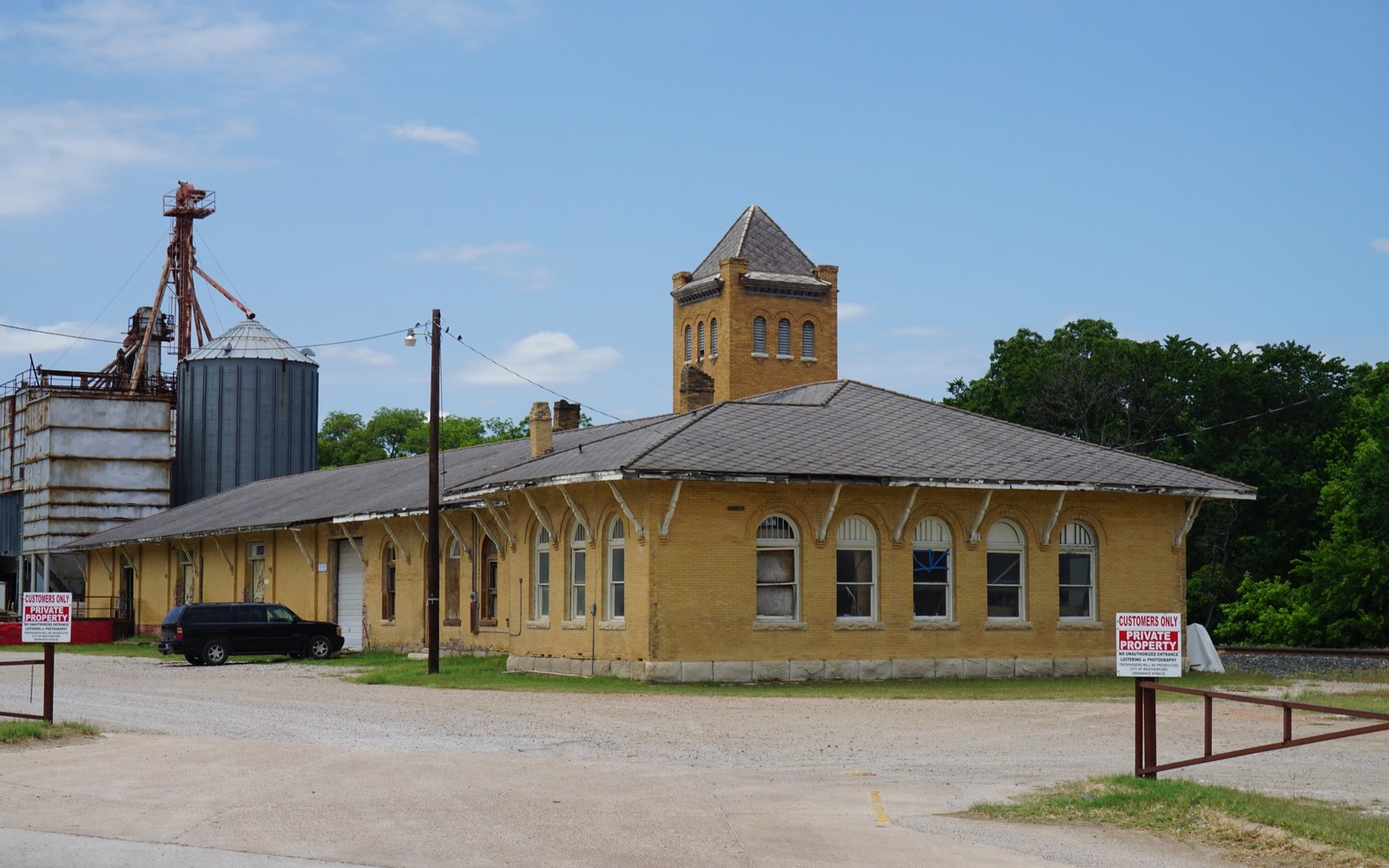
Parker County sits where the Barnett Shale starts to thin out, and the Weatherford courthouse holds deed records for a county where oil and gas history varies more by section than in almost any core Barnett county.
Parker County occupies the western edge of the Barnett Shale's productive footprint, an area where the formation's economics generally weaken compared to the deeper, more pressured core in Tarrant, Wise, and Denton counties. That geological reality means mineral ownership in Parker County spans a wide range, from actively producing tracts to acreage that was leased but never drilled, to land with no oil and gas history at all.
The county's land has stayed largely in the hands of ranching and farming families, many of whom have held their acreage for generations. Whether your family's mineral interest is worth pursuing depends heavily on exactly where within the county your tract sits.
Why Location Within the County Matters So Much
Unlike a county sitting squarely in the Barnett's productive core, Parker County's western margin position means drilling activity concentrated in specific areas, generally closer to the eastern county line, while other sections saw little or no development. We locate your tract relative to that activity before discussing value.
This is the single biggest factor separating a strong Parker County offer from a modest one, more than any other detail we check.
Weatherford Courthouse Deed Tracing
Parker County's ranch and farm families have often held their land across multiple generations, which generally makes for cleaner title tracing than in heavily subdivided suburban counties. We pull the deed and probate chain at the Weatherford courthouse to confirm your exact ownership share.
Fractional interests split among several heirs of an original ranch family are common here, and we work through those routinely.
Leased but Never Drilled
A meaningful number of Parker County mineral owners signed a lease during the Barnett Shale's boom years but never saw a well actually drilled on their tract, as operators concentrated capital in the play's more productive core. If that's your situation, your interest still has some value, tied to expired lease history and any nearby activity, but it's a different conversation than an actively producing tract.
We're direct about which situation applies to you before quoting a number.
What a Producing Parker County Tract Is Worth
Where actual production exists, generally in the county's eastern reaches closer to the Barnett's core, we price against current output and the well's specific decline stage, the same approach we'd use in any other Texas county.
We check Railroad Commission data for your specific unit rather than applying a broad county average that would misrepresent tracts on either end of Parker County's wide activity range.
Place the county tract on the basin board
The local file should tie the county record and legal description to the relevant basin, formation, field, unit, wells, permits, and operator position. A surface address can help find the tract, but it does not establish the mineral interest or prove participation in nearby development.
Read the local well vintages
Producing wells, shut-in wells, intermittent wells, newer laterals, older vertical wells, nearby completions, and general operator acreage in the surrounding area belong in separate evidence lanes. The paid property history carries more weight than a rig or permit that does not include the subject acreage.
Reconcile the ownership line
Deeds, reservations, leases, assignments, probate or trust records, division orders, unit documents, payor records, and statements should all point to the same local interest. Acreage, fractions, burdens, depths, products, and the paid decimal stay open until the supporting records agree.
Compare the deed and closing terms
A written offer for the tract should state the exact interest conveyed, effective date, receivables, reservations, title standard, curative responsibility, adjustment rights, payment conditions, and recording sequence. A strong headline number can still carry a broad deed or a weak closing condition.
Texas Owner Questions
Does all of Parker County sit in the Barnett Shale?
The county sits on the play's western margin, and activity concentrated more heavily in certain areas, generally closer to the eastern county line. Location within the county significantly affects whether your tract has production history.
Your family leased your minerals years ago but no well was ever drilled. Is there still value?
Often some, tied to the lease history and any nearby activity, though it's a more modest conversation than for an actively producing tract. We'll be direct about what applies to your situation.
How do you trace ranch family deeds in Parker County?
We pull deed and probate records at the Weatherford courthouse to confirm your exact ownership share, which is generally straightforward for land that's stayed in one family for generations.
What if your tract has never had any oil and gas activity?
We'll tell you honestly if there's no leasing or production history. Some undeveloped Parker County tracts still carry modest speculative value depending on proximity to active areas.
How do you find out exactly where your tract stands relative to Parker County's productive area?
We check Railroad Commission permit and production data for your specific section as the first step in any Parker County review, before discussing value.
How do you determine whether a Parker County tract is close enough to the Barnett's core to have real production value?
We check Railroad Commission permit density and production records for your specific section and its immediate neighbors, since the productive boundary within Parker County isn't a clean line on a map.
Is it worth getting a Parker County interest evaluated even if you are not sure a well was ever drilled?
Yes. It costs you nothing to have us check the record, and it's common for owners to be unsure of their own tract's drilling history until we confirm it against the county and state filings.
How long does it typically take to close on a Parker County mineral sale?
Once title is confirmed at the Weatherford courthouse, most straightforward sales close within a few weeks. Interests with unresolved heirship or unclear deed history can take longer while we complete the necessary curative work.
Will you make an offer sight unseen, or do you need to visit the property?
We don't need to visit the property. Our review is based on courthouse records, deed history, and Railroad Commission production and permit data, which gives us everything needed to make an accurate offer remotely.