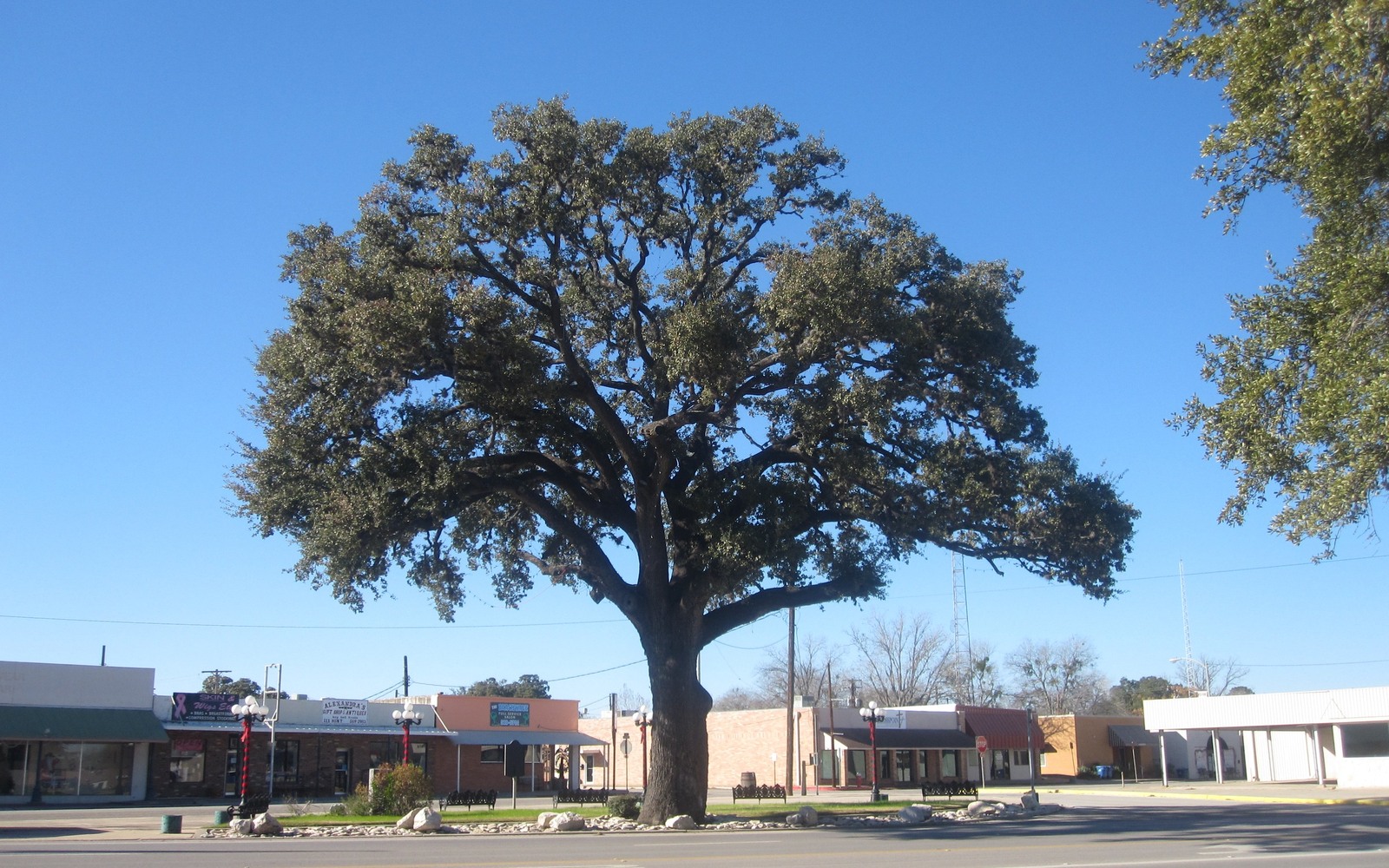
Pleasanton calls itself the birthplace of the cowboy, but underneath that ranch heritage sits some of Atascosa County's most productive Eagle Ford acreage.
Atascosa County's Eagle Ford acreage runs through and around Pleasanton, with horizontal development concentrated in the county's northern and central stretches. Mineral ownership around town largely traces back to cattle ranch families whose land has stayed intact for generations, with interests now split among modern-day heirs.
Eagle Ford Development Around Pleasanton
The acreage around Pleasanton sits in an actively developed part of Atascosa County's Eagle Ford trend, with multi-well units common across the surrounding sections. Well results here have generally held up over time, which gives us solid comparable data when pricing an interest.
We check whether your tract falls inside an existing producing unit or a newer permitted area before quoting, since the two carry different risk and value profiles.
Ranching Heritage, Modern Mineral Splits
Cattle ranching built this part of Atascosa County long before oil did, and many of today's mineral interests trace back to those original ranch tracts, now divided among several generations of heirs. Some of those divisions were never formally recorded.
We pull the Atascosa County Clerk's deed and probate records to confirm your exact fractional share as part of our standard review.
What We Look at Before Quoting a Pleasanton Interest
Current production on your specific unit, recent permit activity nearby, and how far into the decline curve your well sits are the three main things we check. Pleasanton-area units vary enough that we don't price off a general county average.
If you're weighing an offer against another buyer, we'll walk through exactly how we got to our number so you can compare it apples to apples.
Place the county tract on the basin board
The local file should tie the county record and legal description to the relevant basin, formation, field, unit, wells, permits, and operator position. A surface address can help find the tract, but it does not establish the mineral interest or prove participation in nearby development.
Read the local well vintages
Producing wells, shut-in wells, intermittent wells, newer laterals, older vertical wells, nearby completions, and general operator acreage in the surrounding area belong in separate evidence lanes. The paid property history carries more weight than a rig or permit that does not include the subject acreage.
Reconcile the ownership line
Deeds, reservations, leases, assignments, probate or trust records, division orders, unit documents, payor records, and statements should all point to the same local interest. Acreage, fractions, burdens, depths, products, and the paid decimal stay open until the supporting records agree.
Compare the deed and closing terms
A written offer for the tract should state the exact interest conveyed, effective date, receivables, reservations, title standard, curative responsibility, adjustment rights, payment conditions, and recording sequence. A strong headline number can still carry a broad deed or a weak closing condition.
Texas Owner Questions
Is Atascosa County still a strong area for Eagle Ford production?
Development activity varies by section, with some parts of the county still seeing new permits and completions. We check current data for your specific tract before quoting.
Your family's ranch minerals were divided informally among siblings decades ago. Can that still be sold?
Yes. We work through informal family divisions and unrecorded transfers as a routine part of confirming title before closing.
How do you compare Pleasanton-area production to nearby counties?
We use actual well and unit data from your specific tract and its immediate surroundings rather than county-wide averages, which can be misleading given how much activity varies within Atascosa County.
What if your family still runs cattle on the surface? Does selling minerals affect that?
No. Mineral and surface estates are legally separate in Texas. Selling your mineral interest doesn't affect your family's grazing operation or surface ownership.