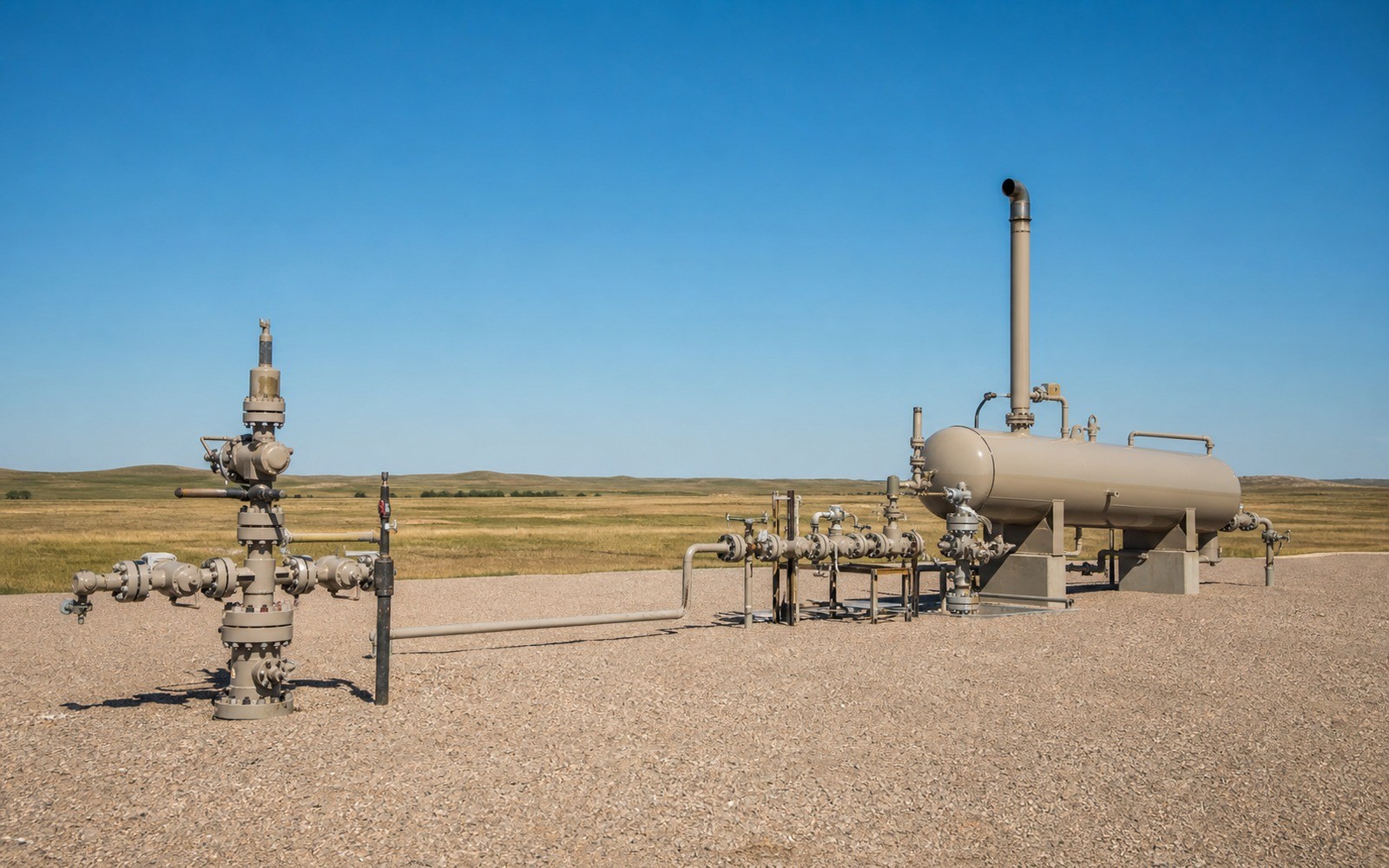
Pueblo Nuevo, a few miles south of Laredo, carries mineral title back through some of the oldest recorded land grants on the Texas side of the border.
The name is newer than the title. Pueblo Nuevo was platted as a colonia in the back half of the twentieth century, but the underlying mineral estate traces to porciones granted long before Webb County existed as such. Ownership below the surface almost never followed the surface lots — it stayed with the ranching families who held the original tract, and it has been dividing by inheritance ever since.
We buy those fractional interests. Not because we're guessing at value, but because we do the courthouse work first: pull the porcion survey, run it forward through every recorded deed and probate to Pueblo Nuevo, and confirm exactly what a seller owns before we make an offer.
South Laredo's position in the Eagle Ford
This part of Webb County sits toward the western, gassier edge of the Eagle Ford trend rather than the black-oil core further northeast. Drilling here has always been more selective — operators tested it early, some tracts got developed, others never saw a rig. That uneven history means two neighboring interests can have very different values depending on whether a well was ever actually drilled on the tract underneath them.
Fractional interests are the rule, not the exception
Because porcion tracts were narrow and long, and because they've passed through generations without much consolidation, it's common to find fifteen or more heirs holding a single mineral estate here. If you're one of those heirs and you only get a check every few months for a few dollars, that's typical for a Pueblo Nuevo-area fraction, not a sign something's wrong with your interest.
Clearing the paperwork before closing
Between the porcion surveys, Spanish-language legacy deeds, and multiple unprobated estates, title work on this ground takes patience. We handle that research ourselves and work with the closing title company to get it resolved instead of asking you to chase it down.
Place the county tract on the basin board
The local file should tie the county record and legal description to the relevant basin, formation, field, unit, wells, permits, and operator position. A surface address can help find the tract, but it does not establish the mineral interest or prove participation in nearby development.
Read the local well vintages
Producing wells, shut-in wells, intermittent wells, newer laterals, older vertical wells, nearby completions, and general operator acreage in the surrounding area belong in separate evidence lanes. The paid property history carries more weight than a rig or permit that does not include the subject acreage.
Reconcile the ownership line
Deeds, reservations, leases, assignments, probate or trust records, division orders, unit documents, payor records, and statements should all point to the same local interest. Acreage, fractions, burdens, depths, products, and the paid decimal stay open until the supporting records agree.
Compare the deed and closing terms
A written offer for the tract should state the exact interest conveyed, effective date, receivables, reservations, title standard, curative responsibility, adjustment rights, payment conditions, and recording sequence. A strong headline number can still carry a broad deed or a weak closing condition.
Texas Owner Questions
Your family's deed references a porcion number, not a street address. Is that a problem?
No, that's standard for this area. We cross-reference porcion surveys against the current Webb County plat as part of our normal title check.
How do you value a non-producing tract here?
We look at offset well performance, permit activity nearby, and how the tract sits relative to the core versus the flank of the play, then price against comparable recent sales, not a flat rate.
Can multiple heirs sell separately?
Yes. Each heir owns their own fraction and can sell independently — you don't need the whole family to agree.
What if the operator has your old address and you never see statements?
We can often locate your interest through the county's division order records even if your mailing address with the operator is out of date.