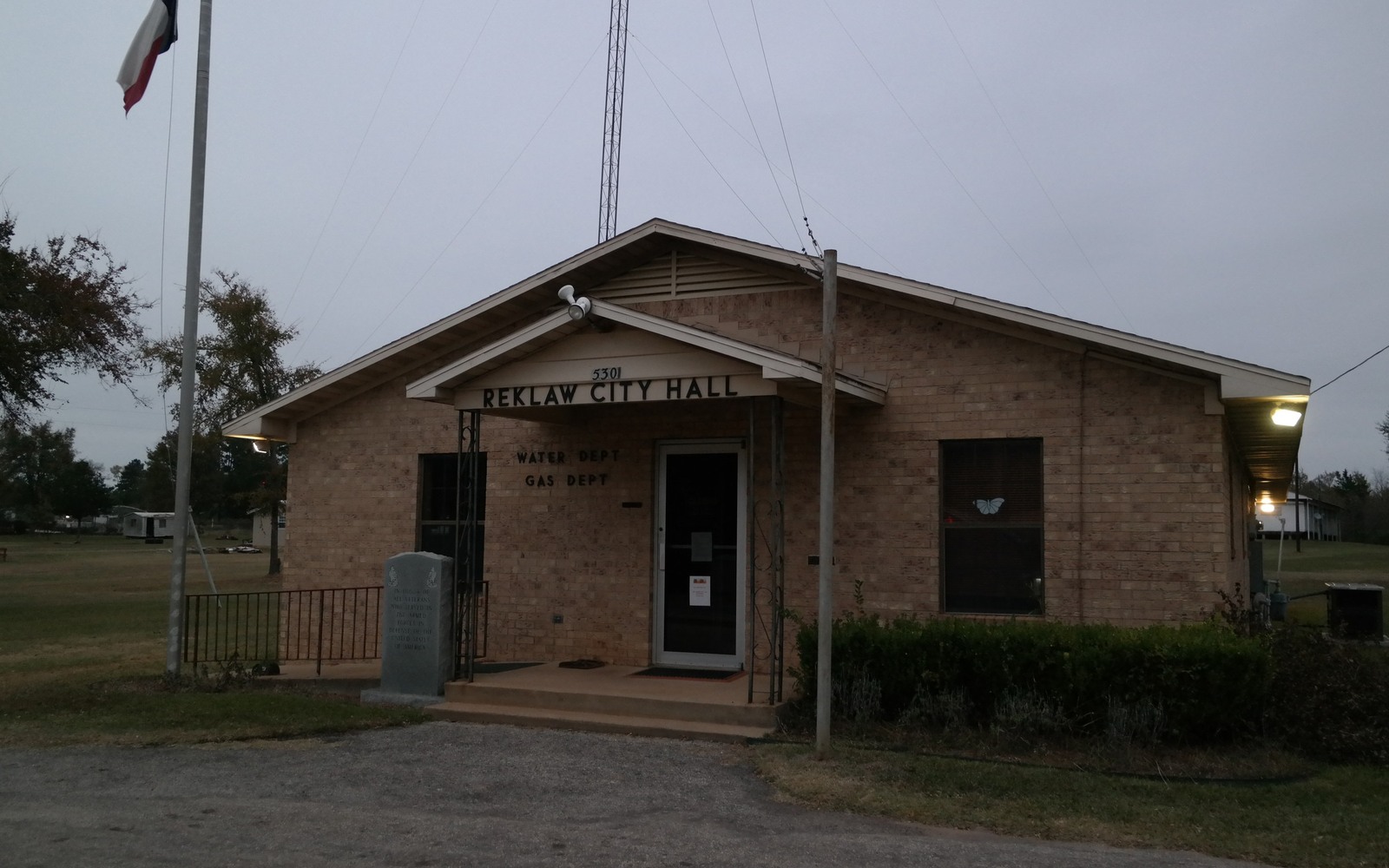
Reklaw sits in Rusk County, ground with oil history dating to the 1930s East Texas Field and gas potential from the deeper Haynesville and Cotton Valley below it.
Rusk County was part of the giant East Texas Field discovery that started with the Daisy Bradford No. 3 in 1930, and shallow production from that legacy field is still on the books across much of the county, including around Reklaw. Below that old pay, operators have also tested and developed the deeper Haynesville and Cotton Valley formations in recent years, so a mineral tract here can carry two very different production stories at two very different depths.
That layering is why we look at the full wellbore picture — shallow legacy production plus any deeper development — before pricing a Reklaw-area interest, rather than assuming one royalty check tells the whole story.
Shallow legacy oil, deeper shale gas
A lease signed decades ago for the shallow East Texas Field sand often doesn't cover the same rights or terms as a modern Haynesville lease at 10,000 feet or deeper. We check whether your tract has separate leases for separate depths, since that affects both what's currently producing and what could still be developed.
Rusk County courthouse records
Rusk County has some of the oldest continuously updated oil and gas records in Texas, going back nearly a century. We pull your deed chain at the courthouse in Henderson, confirm probate history, and match your legal description against both legacy field records and any newer horizontal units.
What we need to make an offer
A deed, a lease, or a division order is enough to start. We confirm your net mineral acreage and current production status before sending a written offer.
Place the county tract on the basin board
The local file should tie the county record and legal description to the relevant basin, formation, field, unit, wells, permits, and operator position. A surface address can help find the tract, but it does not establish the mineral interest or prove participation in nearby development.
Read the local well vintages
Producing wells, shut-in wells, intermittent wells, newer laterals, older vertical wells, nearby completions, and general operator acreage in the surrounding area belong in separate evidence lanes. The paid property history carries more weight than a rig or permit that does not include the subject acreage.
Reconcile the ownership line
Deeds, reservations, leases, assignments, probate or trust records, division orders, unit documents, payor records, and statements should all point to the same local interest. Acreage, fractions, burdens, depths, products, and the paid decimal stay open until the supporting records agree.
Compare the deed and closing terms
A written offer for the tract should state the exact interest conveyed, effective date, receivables, reservations, title standard, curative responsibility, adjustment rights, payment conditions, and recording sequence. A strong headline number can still carry a broad deed or a weak closing condition.
Texas Owner Questions
Is your interest tied to the old East Texas Field or the newer Haynesville play?
Could be either, or both at different depths. We check operator filings by formation to identify exactly what's producing under your tract.
Your royalty check is small and hasn't changed in years. Is that normal?
Yes, many legacy East Texas Field wells produce steady, low volumes for decades. That doesn't mean your interest lacks value, especially if there's deeper potential too.
Do you buy interests with old, hard-to-read deeds from the 1930s?
Yes, that's common in Rusk County. We're used to tracing older deed language back to confirm current ownership.
What if the operator on your well changed hands over the years?
That's common in this part of Rusk County after nearly a century of production. We track current operator of record through Railroad Commission filings, not only whatever name is on an old lease.