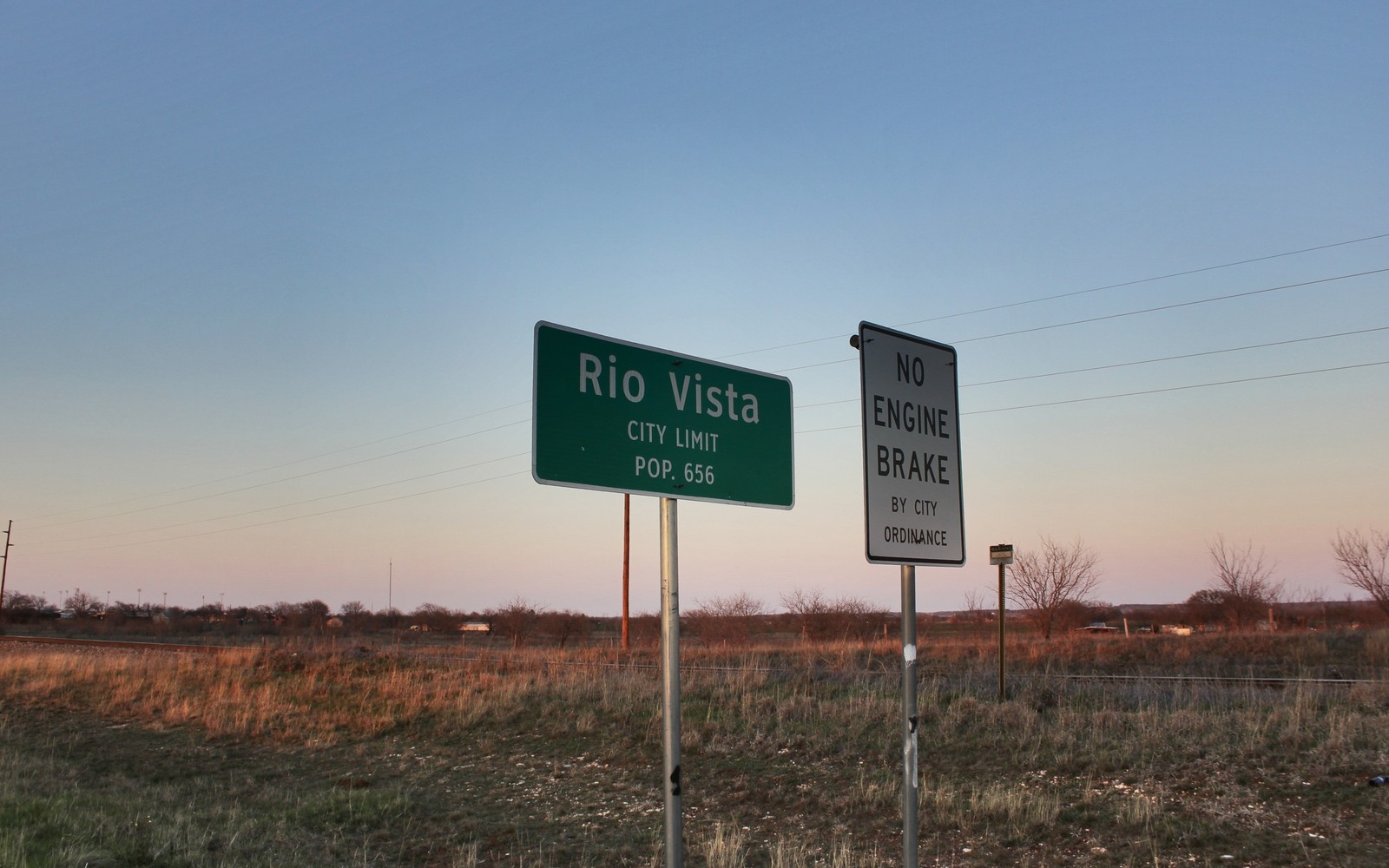
Rio Vista sits in Johnson County, on the southern edge of the Barnett Shale core, where the play stayed more rural and ranching-based than the urban core to the north.
Johnson County saw plenty of Barnett Shale drilling during the boom years, but the surface around Rio Vista has stayed largely agricultural rather than turning into dense suburb the way parts of Tarrant County did. That means mineral and surface ownership are more likely to still sit with the same ranching families here, rather than having split apart through residential development.
For sellers, that often means a more straightforward ownership picture — fewer competing claims from subdivision-era reservations — but the same need for careful title work tracing the interest through whatever inheritance has occurred since the original lease.
Rural Barnett production
Wells around Rio Vista were typically drilled on larger contiguous ranch tracts rather than pieced together from small residential lots, which tends to make unit boundaries and pooled shares more straightforward to confirm than in the denser suburban parts of the play.
Ranching-family ownership
If your family has ranched this ground for generations, there's a good chance you or your relatives still hold the mineral estate directly, without the layers of subdivision-era reservations common further north. We confirm that through Johnson County deed and probate records.
What we check before an offer
Current production and decline for your pooled unit, confirmed net mineral acreage, and whether any additional development has been permitted nearby recently.
Place the county tract on the basin board
The local file should tie the county record and legal description to the relevant basin, formation, field, unit, wells, permits, and operator position. A surface address can help find the tract, but it does not establish the mineral interest or prove participation in nearby development.
Read the local well vintages
Producing wells, shut-in wells, intermittent wells, newer laterals, older vertical wells, nearby completions, and general operator acreage in the surrounding area belong in separate evidence lanes. The paid property history carries more weight than a rig or permit that does not include the subject acreage.
Reconcile the ownership line
Deeds, reservations, leases, assignments, probate or trust records, division orders, unit documents, payor records, and statements should all point to the same local interest. Acreage, fractions, burdens, depths, products, and the paid decimal stay open until the supporting records agree.
Compare the deed and closing terms
A written offer for the tract should state the exact interest conveyed, effective date, receivables, reservations, title standard, curative responsibility, adjustment rights, payment conditions, and recording sequence. A strong headline number can still carry a broad deed or a weak closing condition.
Texas Owner Questions
Is Johnson County still seeing new Barnett Shale drilling?
New drilling has slowed compared to the 2000s boom, though existing wells continue producing and some operators still maintain active units.
Your family still ranches the surface. Do you automatically still own the minerals too?
In most cases here, yes, since the surface hasn't been sold off for development. We confirm that through the deed record rather than assuming.
How do you value a rural pooled interest versus an urban one?
The math is the same — production, decline, and confirmed acreage — though rural units are often easier to confirm quickly since fewer parties are typically involved.
Do you handle the closing paperwork or is that on you?
We handle the purchase agreement and coordinate with a title company on the closing paperwork, so you're not managing that process alone.
What if your interest was never formally recorded after you inherited it?
We can often help clear that as part of the sale, working with a title company to get the transfer properly recorded before or at closing.