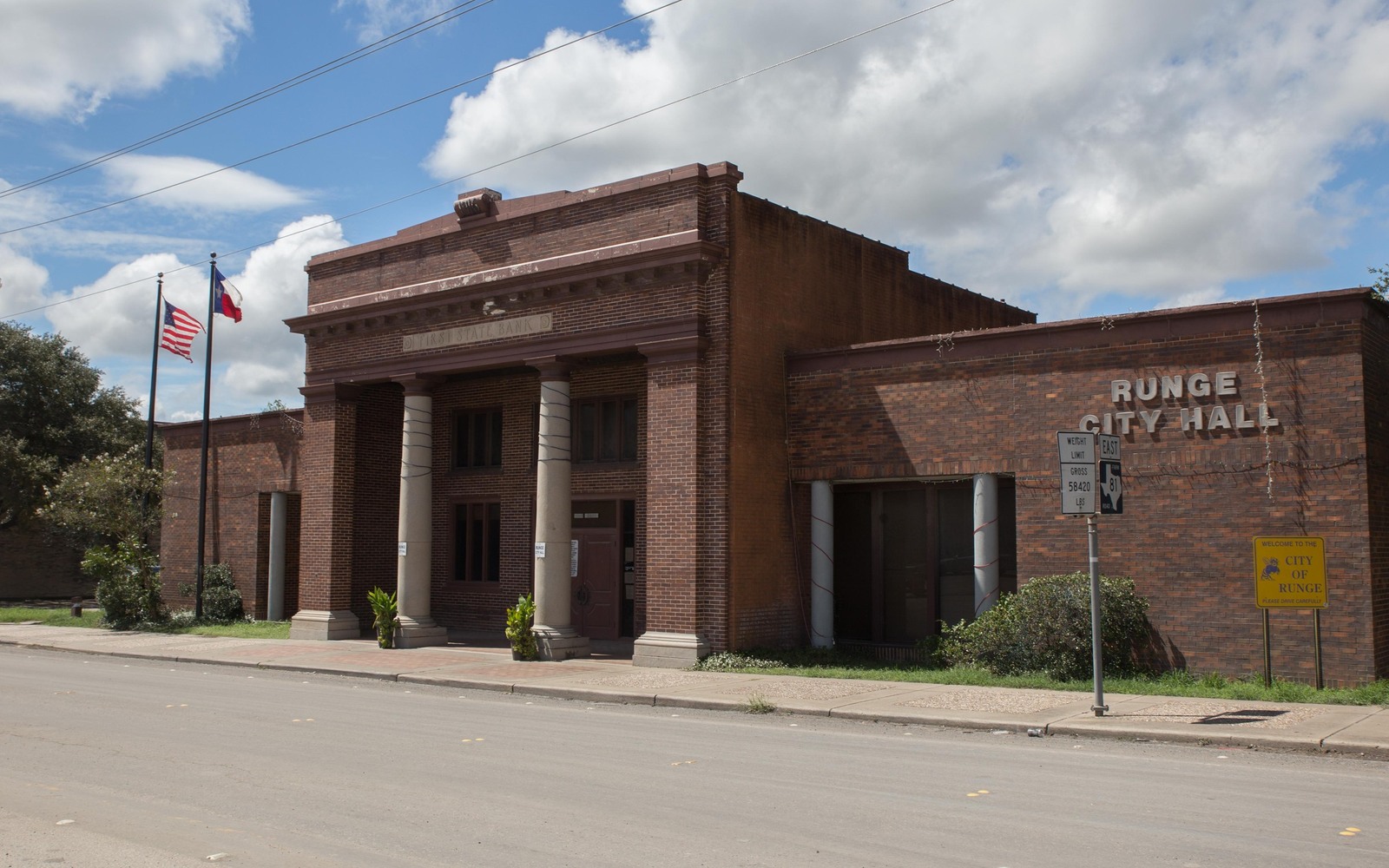
Runge sits in Karnes County, squarely in the Eagle Ford's oil window, ground that's been one of the most heavily drilled parts of the entire play since 2010.
Karnes County was ground zero for the Eagle Ford oil boom. The Karnes Trough runs right through this part of the county, and operators including EOG, Marathon, and Murphy have drilled dense multi-well pads across the area for over a decade. If you own minerals near Runge, there's a strong chance your tract sits under or adjacent to some of the highest-producing horizontal wells the play has ever seen.
That density cuts both ways for a mineral owner. It means more production data and clearer comparables, but it also means your interest could be pooled into more than one unit, or sitting on a tract that's been infill-drilled multiple times since the original wells went in. We check all of that before making an offer.
Dense pad drilling and infill wells
Karnes County operators have gone back to many original units for infill drilling, adding wells between the first generation of laterals to capture more of the reservoir. If your tract has seen infill activity, your production history likely shows a second bump years after the initial wells, and that changes how we project remaining value.
Ranching-family ownership in the Trough
Much of the Karnes Trough was working ranchland before the boom, and many mineral owners here are descendants of those ranching families rather than oil industry insiders. Interests have typically split through a generation or two of inheritance since the original leases, and we trace that chain through the Karnes County Clerk's office in Karnes City.
How we price Runge-area interests
Given how active this area has been, we lean heavily on recent production data and comparable sales specific to the Trough, adjusted for your tract's exact position relative to the best-performing pads.
Place the county tract on the basin board
The local file should tie the county record and legal description to the relevant basin, formation, field, unit, wells, permits, and operator position. A surface address can help find the tract, but it does not establish the mineral interest or prove participation in nearby development.
Read the local well vintages
Producing wells, shut-in wells, intermittent wells, newer laterals, older vertical wells, nearby completions, and general operator acreage in the surrounding area belong in separate evidence lanes. The paid property history carries more weight than a rig or permit that does not include the subject acreage.
Reconcile the ownership line
Deeds, reservations, leases, assignments, probate or trust records, division orders, unit documents, payor records, and statements should all point to the same local interest. Acreage, fractions, burdens, depths, products, and the paid decimal stay open until the supporting records agree.
Compare the deed and closing terms
A written offer for the tract should state the exact interest conveyed, effective date, receivables, reservations, title standard, curative responsibility, adjustment rights, payment conditions, and recording sequence. A strong headline number can still carry a broad deed or a weak closing condition.
Texas Owner Questions
Why is Karnes County considered part of the Eagle Ford's core?
It sits in the oil-window sweet spot with some of the play's thickest, most productive rock, which drew dense early drilling and continued infill development.
Your tract has had two rounds of drilling over the years. How does that affect value?
Infill wells generally add production on top of the original wells, which we factor into a higher overall valuation when the data supports it.
Do you buy interests still under an active lease?
Yes, we regularly buy leased minerals and factor the existing lease terms into our offer.
How fast does a Karnes County closing typically move?
With clean title, most closings here move within a few weeks, since the county's records and comparable sales data are well established.
What if your family's tract has never been infill-drilled?
It still likely carries value from the original wells and from its position relative to nearby infill activity. We check both when pricing your interest.