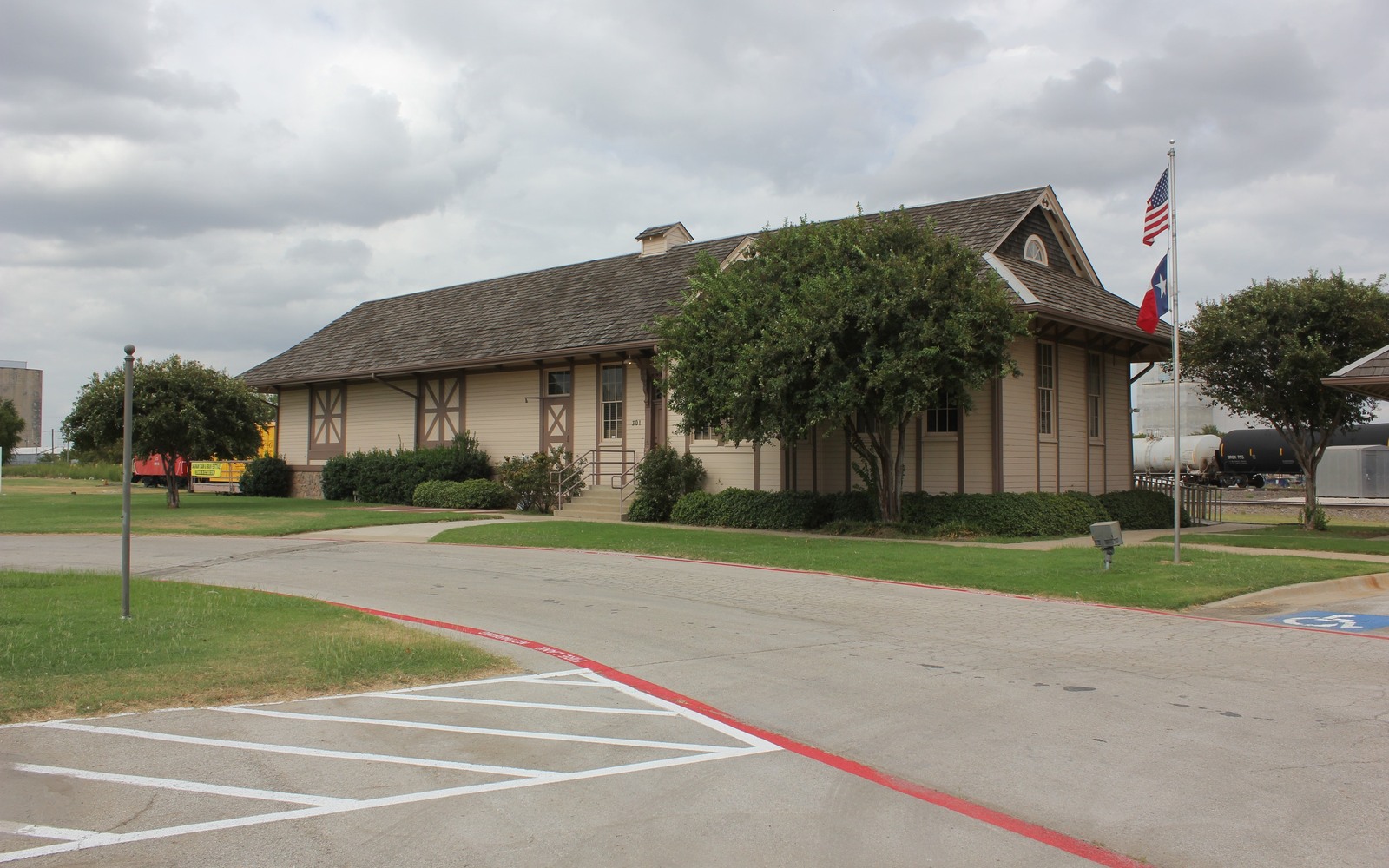
Saginaw, just north of Fort Worth, grew fast through the 2000s at the same time operators were leasing and drilling the Barnett Shale under nearly every square mile of it.
The timing in Saginaw was tight — residential growth and Barnett Shale drilling arrived in the same decade, which means the sequence of who leased what, and when, matters more here than in areas where the surface was settled long before drilling. Some tracts were leased and drilled while still open land; others were already platted into subdivisions by the time operators got to them.
Either way, the mineral estate follows its own separate chain from the surface, and we trace that chain through Tarrant County deed and probate records regardless of what the surface looks like today.
Overlap between development and drilling
Because growth and drilling happened together, some Saginaw-area leases were negotiated directly with developers rather than long-time ranching families, which can mean shorter, more standardized lease terms. We check your specific lease and pooling documentation rather than assuming one pattern fits every tract.
Pooled units under residential streets
Most production here comes from pooled horizontal units drilled from a limited number of pad sites, with laterals extending under residential tracts that never saw a rig directly. We confirm your unit and calculated share from Railroad Commission records before pricing your interest.
What we look for before quoting
Current production and decline trend, confirmed net mineral acreage, and whether your tract's lease terms differ meaningfully from typical Barnett Shale terms in the area.
Place the county tract on the basin board
The local file should tie the county record and legal description to the relevant basin, formation, field, unit, wells, permits, and operator position. A surface address can help find the tract, but it does not establish the mineral interest or prove participation in nearby development.
Read the local well vintages
Producing wells, shut-in wells, intermittent wells, newer laterals, older vertical wells, nearby completions, and general operator acreage in the surrounding area belong in separate evidence lanes. The paid property history carries more weight than a rig or permit that does not include the subject acreage.
Reconcile the ownership line
Deeds, reservations, leases, assignments, probate or trust records, division orders, unit documents, payor records, and statements should all point to the same local interest. Acreage, fractions, burdens, depths, products, and the paid decimal stay open until the supporting records agree.
Compare the deed and closing terms
A written offer for the tract should state the exact interest conveyed, effective date, receivables, reservations, title standard, curative responsibility, adjustment rights, payment conditions, and recording sequence. A strong headline number can still carry a broad deed or a weak closing condition.
Texas Owner Questions
Your deed is from a developer, not an original ranching family. Does that change anything?
It can mean the mineral reservation language is more standardized, which sometimes makes title work faster, but we still confirm your fraction from the actual recorded deed.
Is drilling still happening around Saginaw?
Most wells in this area are mature and past peak production, though existing units continue producing and are periodically maintained.
How do you calculate your share of a pooled unit?
We check the unit's pooling filing against your tract's acreage to independently confirm your percentage rather than relying solely on the operator's statement.
What if you moved and never updated your address with the operator?
We can usually locate your interest through the county deed record even if your mailing address with the operator is outdated, and help you get your ownership record current.
Do you buy interests that are only a small fraction of a pooled unit?
Yes, small pooled fractions are the norm in built-out areas like Saginaw, and we buy them regularly.