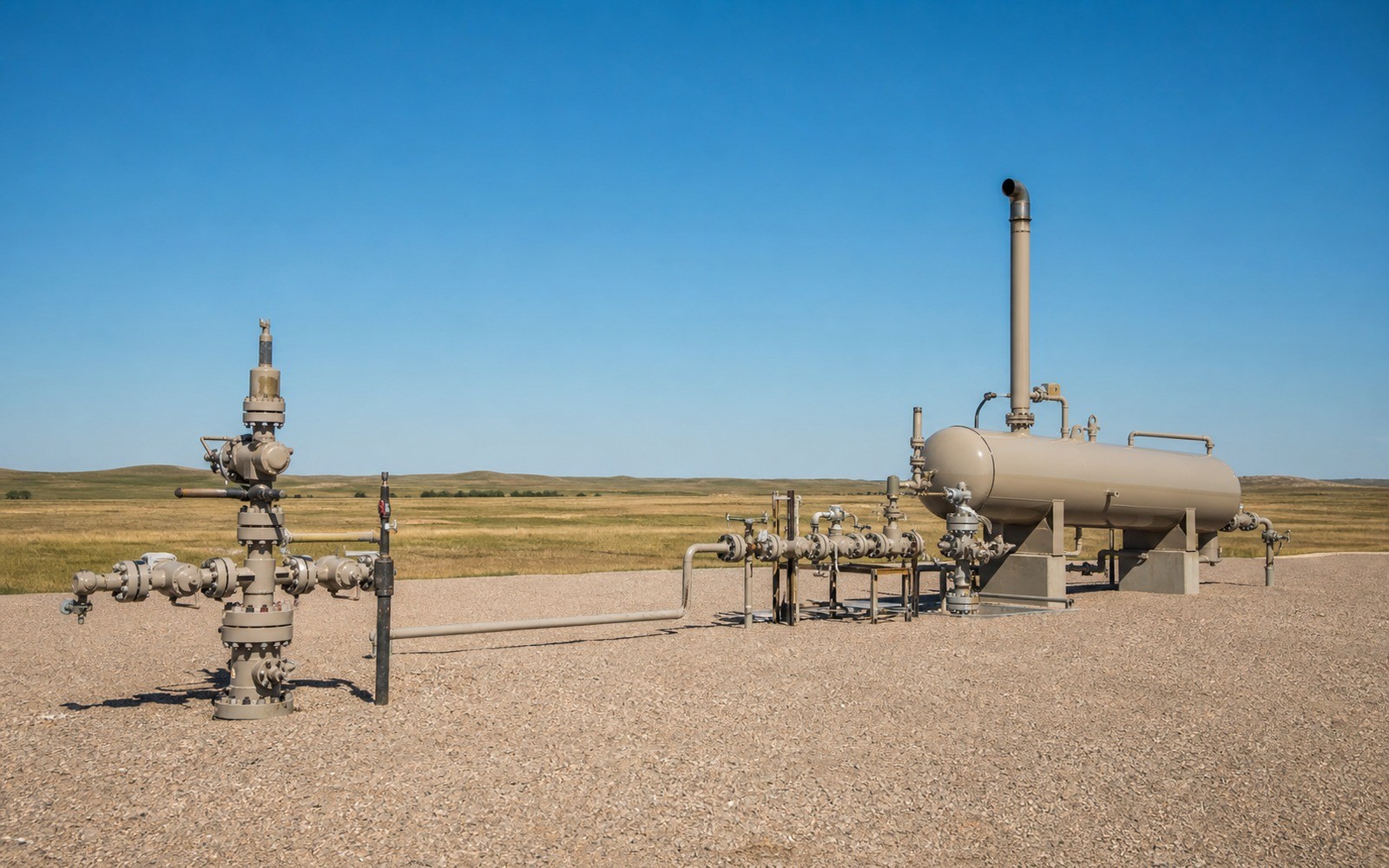
Sanctuary sits in Parker County toward the western edge of the Barnett Shale footprint, where drilling was lighter and more selective than in the dense Tarrant County core.
Parker County saw Barnett Shale leasing during the boom years, but operators drilled fewer wells per section here than closer to Fort Worth, since the rock quality and economics thinned out somewhat toward the play's western margin. That means production histories around Sanctuary are more variable — some tracts sit under solid producing units, others were leased but never drilled.
We treat every tract in this area on its own merits rather than assuming the whole county performs the same. A neighboring section with an active well doesn't automatically mean your specific tract has the same value.
Edge-of-play economics
Because this part of the Barnett is less consistently productive than the core, well performance varies more from tract to tract. We check your specific unit's production history rather than pricing off a countywide Barnett average.
Ranching-family ownership
Much of Parker County stayed in ranching use through the shale boom, so mineral ownership here often still sits with the same families who've held the surface for generations. We confirm that through the deed record before assuming anything.
Leased but undrilled tracts
If your interest was leased during the boom but never drilled, it may still carry value tied to lease terms and any renewed operator interest, and we price that possibility into our offer rather than dismissing it.
Place the county tract on the basin board
The local file should tie the county record and legal description to the relevant basin, formation, field, unit, wells, permits, and operator position. A surface address can help find the tract, but it does not establish the mineral interest or prove participation in nearby development.
Read the local well vintages
Producing wells, shut-in wells, intermittent wells, newer laterals, older vertical wells, nearby completions, and general operator acreage in the surrounding area belong in separate evidence lanes. The paid property history carries more weight than a rig or permit that does not include the subject acreage.
Reconcile the ownership line
Deeds, reservations, leases, assignments, probate or trust records, division orders, unit documents, payor records, and statements should all point to the same local interest. Acreage, fractions, burdens, depths, products, and the paid decimal stay open until the supporting records agree.
Compare the deed and closing terms
A written offer for the tract should state the exact interest conveyed, effective date, receivables, reservations, title standard, curative responsibility, adjustment rights, payment conditions, and recording sequence. A strong headline number can still carry a broad deed or a weak closing condition.
Texas Owner Questions
Was your tract near Sanctuary ever actually drilled?
We check Railroad Commission records for your specific legal description to confirm whether a well was drilled and producing, or whether the tract was only leased.
Is there still drilling interest in this part of Parker County?
Activity has slowed compared to the boom years across most of the Barnett, including here, though renewed interest can happen with commodity price shifts.
Do you buy leased, undrilled minerals?
Yes, we price those based on lease terms and nearby activity, even without current production.
What documents help you research your Sanctuary-area interest?
A deed, an old lease, or a division order statement all work as a starting point for our title search at the Parker County Clerk's office.
How do you value an interest that's never produced anything?
We look at nearby well performance, lease terms if one exists, and permit activity in that specific area to arrive at a fair, hedged value.