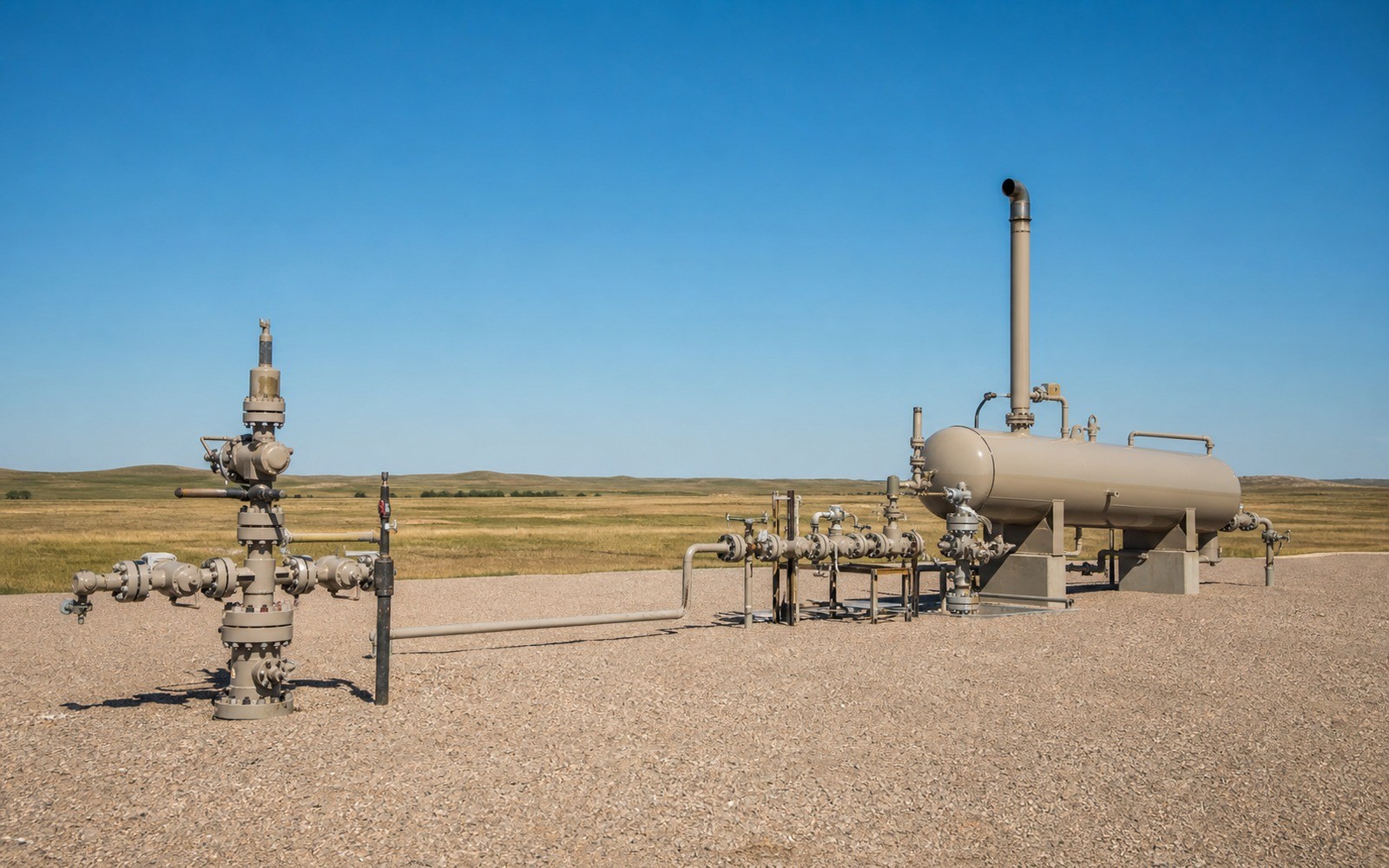
Savannah, a fast-growing Denton County community, sits over Barnett Shale gas units that were largely established before the recent wave of residential growth arrived.
Much of the current housing in and around Savannah was built well after the Barnett Shale wells serving the area had already been drilled and pooled. That sequence matters: the mineral reservations here almost always predate the newest development, tracing back to farming and ranching-era ownership rather than the developers who built the neighborhoods people live in today.
For a mineral owner, that means your interest is tied to a decision made by a previous generation of landowner, not by anyone currently living on the surface. We trace that history through Denton County deed and probate records to confirm exactly what you hold.
Development caught up to existing gas units
Because drilling here predates much of the recent housing growth, pooled unit boundaries were generally set before subdivision lines were drawn. We confirm your tract's unit and calculated share from Railroad Commission filings rather than from the current subdivision plat.
Farm and ranch-era reservations
The mineral estate under Savannah traces mostly to farming and ranching families who reserved their rights when selling surface acreage for development. We pull that original reservation deed and trace it forward to your current fraction.
What we check before quoting
Current production and decline for your specific pooled unit, and confirmed net mineral acreage from the full deed chain.
Place the county tract on the basin board
The local file should tie the county record and legal description to the relevant basin, formation, field, unit, wells, permits, and operator position. A surface address can help find the tract, but it does not establish the mineral interest or prove participation in nearby development.
Read the local well vintages
Producing wells, shut-in wells, intermittent wells, newer laterals, older vertical wells, nearby completions, and general operator acreage in the surrounding area belong in separate evidence lanes. The paid property history carries more weight than a rig or permit that does not include the subject acreage.
Reconcile the ownership line
Deeds, reservations, leases, assignments, probate or trust records, division orders, unit documents, payor records, and statements should all point to the same local interest. Acreage, fractions, burdens, depths, products, and the paid decimal stay open until the supporting records agree.
Compare the deed and closing terms
A written offer for the tract should state the exact interest conveyed, effective date, receivables, reservations, title standard, curative responsibility, adjustment rights, payment conditions, and recording sequence. A strong headline number can still carry a broad deed or a weak closing condition.
Texas Owner Questions
The neighborhood around your interest is brand new. Does that affect the mineral value?
Not directly. Mineral value is tied to well production and unit acreage established well before recent development, not the age of the surface housing.
How do you know if your interest is in a producing unit?
We check current operator and Railroad Commission filings against your legal description to confirm production status before pricing your interest.
Do you buy small pooled fractions in growing suburban areas like this?
Yes, that's a common type of interest we buy, and we price it the same way regardless of how much new development has gone in around it.
How do you handle an interest split among several family members?
Each family member's fraction is separately owned and can be sold individually, without requiring the whole family to act together.
What paperwork do you need from you to start?
A deed, a division order, or even an old lease document is enough for us to begin confirming your ownership.