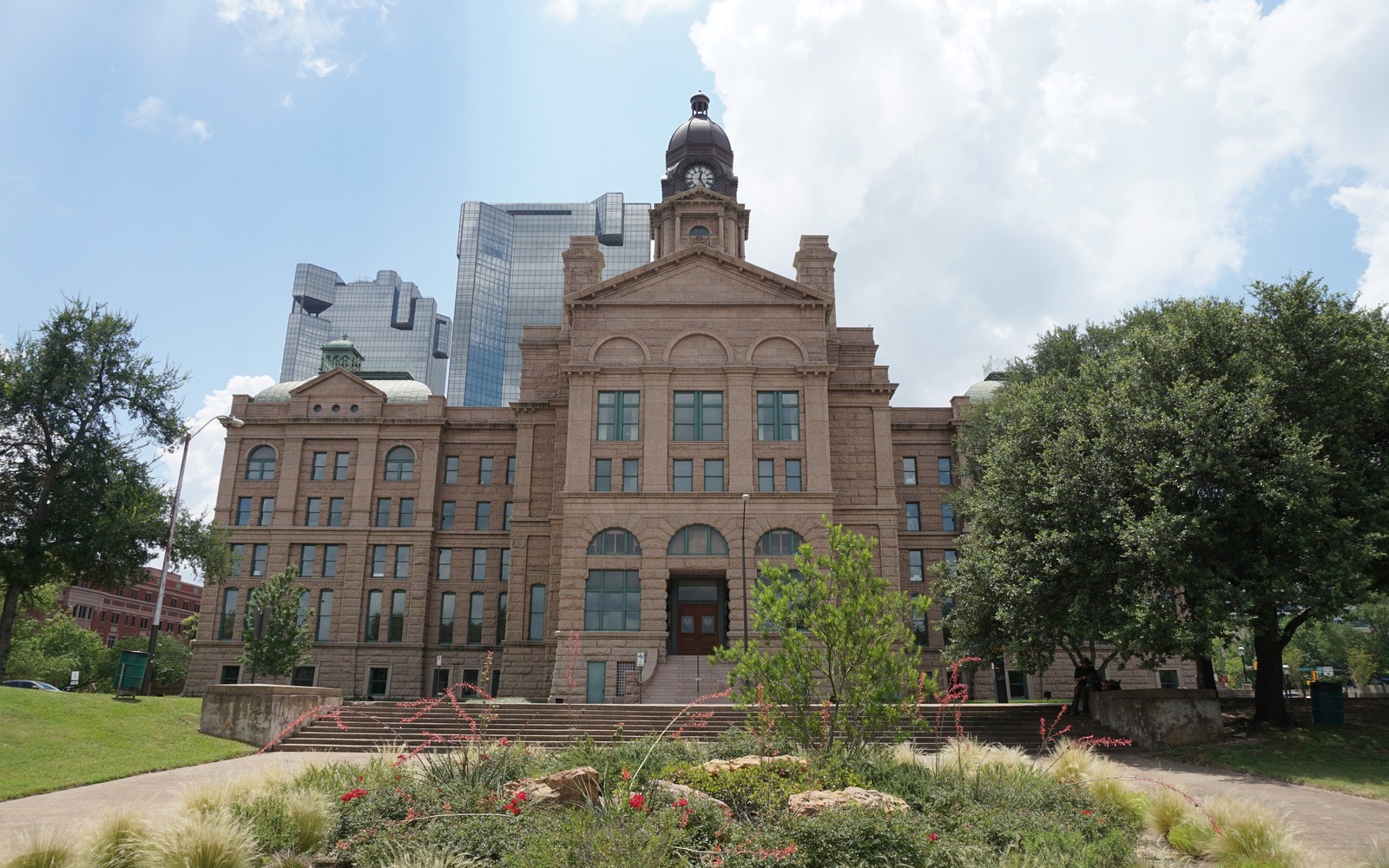
Tarrant County put the Barnett Shale on the map, and a lot of the mineral interests carved up back then are still sitting untouched in old deeds nobody's revisited since the last rig moved off.
Barnett title and division-order records in Tarrant County often span two decades or more. Tarrant County is where the play went urban, and that changed how minerals here got sold and split. You've got downtown Fort Worth lots with a fractional interest under a city park, subdivision units that signed pooled leases in the mid-2000s, and old family tracts out past Saginaw and Keller that predate any of it.
Whatever your interest looks like on paper, we are not going to make you guess at a number over the phone. Send us the deed or the last division order and we will tell you plainly what it's worth and why.
Urban drilling made this county's minerals a different animal
Fort Worth passed a gas well ordinance in the mid-2000s that pushed operators toward directional drilling from a handful of pad sites, reaching under neighborhoods from setback locations along highway corridors and industrial land. A lot of Tarrant County royalty owners never saw a rig near the house, only a check that showed up quarterly tied to a unit they'd never physically find.
Those pooled units can run large, and your fractional share might be small, but the Barnett here was drilled hard from roughly 2005 to 2009. Most of these wells are well past their steep early decline and sitting on a long, low tail of gas production. That's exactly the kind of asset where a lump-sum sale can make more sense than another decade of shrinking checks.
What we look for in the deed
The Tarrant County Clerk's real property records in downtown Fort Worth are where we start. We want the original severance deed or mineral reservation, the current operator, and the pooling or unit designation if there is one. If your interest came down through a family estate, we also want to know whether it was ever probated in this county or whether the record is still sitting under a deceased ancestor's name.
That last point matters more here than people expect. Barnett interests in Tarrant County are frequently held by second or third-generation heirs who inherited a sliver of a larger family tract that got subdivided as Fort Worth and Arlington grew outward. A clean chain of title moves fast. A messy one just means we need another document or two before we can close.
Selling versus holding a legacy Barnett interest
The honest case for holding: if your unit still has decent current production and gas prices firm up, the monthly check could hold value a while longer. The honest case for selling: Barnett wells this age decline slowly but steadily, operators aren't drilling new laterals in built-out Tarrant County neighborhoods the way they were in 2007, and a lump sum today lets you put money somewhere you control instead of waiting on Henry Hub.
Neither answer is right for everybody. We will walk through your division order history and give you a range tied to what comparable Barnett interests in this county have actually traded for recently, not a guess pulled from a national average.
Heirship and split ownership in older Fort Worth tracts
Split estate is common here, surface sold off decades ago while minerals stayed in the family, or the reverse. If four cousins each hold a quarter of grandpa's interest under an old Handley or Poly Heights lot, we can buy your share alone. You don't need the rest of the family to agree, and you don't need to open probate first unless title is genuinely unclear.
Texas Owner Questions
Your royalty checks from Tarrant County wells have gotten smaller every year. Is that normal?
Yes, that's typical decline behavior for Barnett wells drilled in the mid-2000s. Production tails off steadily after the first couple of years. It doesn't mean the well is done, but future checks will likely keep trending down rather than back up, which is exactly why some owners choose to sell now rather than watch the tail play out.
Do you need a lawyer to sell mineral rights in Tarrant County?
You're welcome to have one review the deed, and for larger or contested interests we would recommend it. For a straightforward sale with clean title, most owners handle it directly with us and a title company handles recording, similar to a small real estate closing.
What if your interest is under a city park or a subdivision common area?
That's common in Tarrant County given how urban this play got. Pooled units frequently cross public and private surface. What matters for value is your percentage of the mineral interest and the unit's production history, not what sits on the surface above it.
How fast can this close?
Once we have your deed and current division order, a clean-title sale in Tarrant County typically closes in two to four weeks. Estates with unresolved heirship take longer since clear title has to exist before we can record.