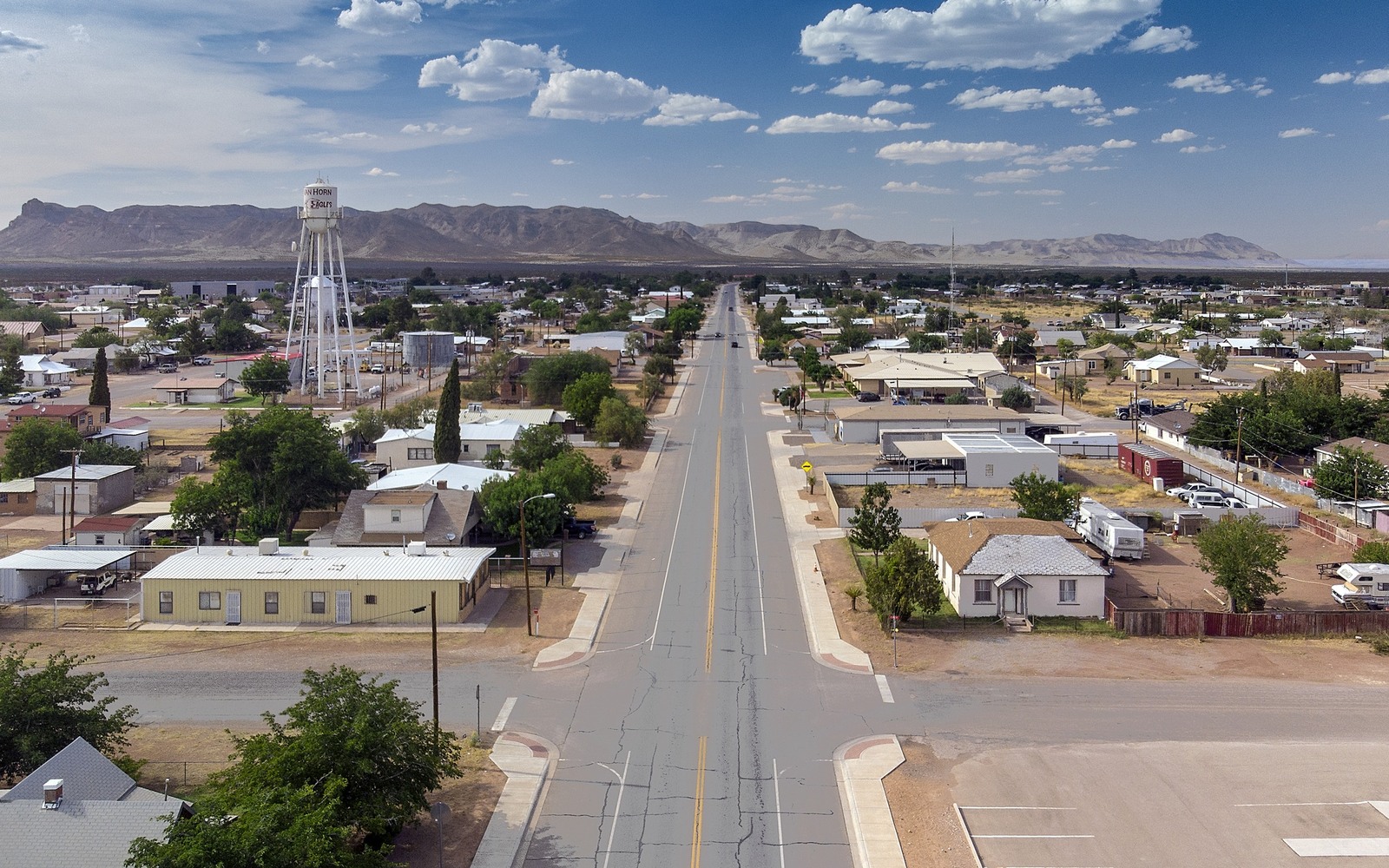
Van Horn sits in Culberson County on the far western edge of the Delaware Basin, farther from the play's dense core than counties like Reeves or Ward, and that position affects both current activity and how we value an interest here.
Culberson County has seen less concentrated drilling than the more heavily developed parts of the basin to the east, though operators have tested acreage in this direction as the play has expanded. If you're holding minerals near Van Horn, the honest starting question is whether your tract sits close to any current or historical drilling.
Send us your deed and we will check what's actually happening on and around your acreage.
The western edge of an expanding play
As operators have worked to define the outer boundaries of economic Delaware Basin development, Culberson County acreage has drawn periodic interest, though not at the density seen closer to the basin's core. That means Van Horn-area interests can range from actively producing to speculative and unleased, depending on the specific tract, and we check your situation individually rather than assuming based on the county name alone.
What we look for before quoting Culberson County acreage
We pull Railroad Commission permit and production history for units near your legal description, then confirm your chain of title through the Culberson County Clerk's office. If your tract is unleased and outside current activity, we will tell you that honestly rather than manufacturing a number that isn't grounded in anything real.
Being straight about what we do not know yet
We won't tell you your Van Horn-area interest is worth a specific figure before checking. Some tracts out here have real, documented value tied to nearby activity, others are genuinely speculative with no drilling nearby. We will tell you honestly which situation applies once we have pulled the records.
Place the county tract on the basin board
The local file should tie the county record and legal description to the relevant basin, formation, field, unit, wells, permits, and operator position. A surface address can help find the tract, but it does not establish the mineral interest or prove participation in nearby development.
Read the local well vintages
Producing wells, shut-in wells, intermittent wells, newer laterals, older vertical wells, nearby completions, and general operator acreage in the surrounding area belong in separate evidence lanes. The paid property history carries more weight than a rig or permit that does not include the subject acreage.
Reconcile the ownership line
Deeds, reservations, leases, assignments, probate or trust records, division orders, unit documents, payor records, and statements should all point to the same local interest. Acreage, fractions, burdens, depths, products, and the paid decimal stay open until the supporting records agree.
Compare the deed and closing terms
A written offer for the tract should state the exact interest conveyed, effective date, receivables, reservations, title standard, curative responsibility, adjustment rights, payment conditions, and recording sequence. A strong headline number can still carry a broad deed or a weak closing condition.
Texas Owner Questions
Is Culberson County actively being drilled right now?
Activity here is less concentrated than in core Delaware Basin counties like Reeves or Ward, though it varies by specific location. We will check current permits near your tract before discussing value.
Your minerals have never been leased. Is there still interest in buying them?
Possibly, depending on proximity to any active or historical drilling. Unleased Van Horn-area minerals carry speculative value that depends heavily on location.
Why would you sell an interest that isn't currently producing anything?
Some owners prefer certainty now over an uncertain future, especially in less-developed areas where it's unclear when or if drilling will reach a specific tract. It's a personal decision we will help you think through with real data.
What documents help you evaluate a Culberson County tract fastest?
A deed with the legal description and any lease history you have. From there we check Railroad Commission activity for the surrounding area to gauge realistic value.