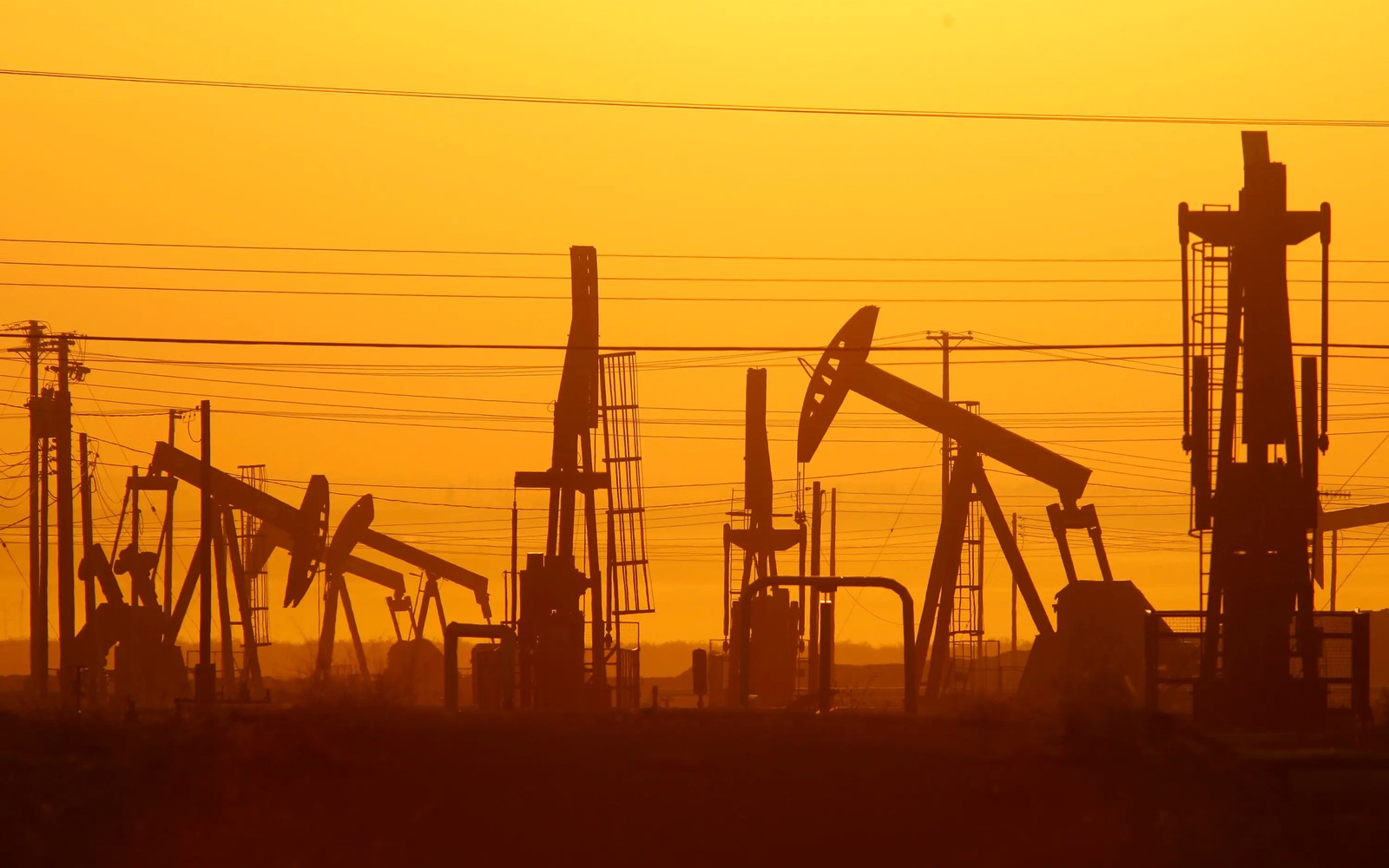
Delaware Basin wells cost more to drill than almost anywhere else in Texas, and that changes how an operator thinks about your acreage.
The Delaware side of the Permian sits west of the Central Basin Platform, in Reeves, Loving, Ward, Culberson, and part of Pecos County. The rock runs deeper here than on the Midland side, with the Wolfcamp and Bone Spring stacked thick, sometimes past 10,000 feet. That depth means bigger drilling costs, which means operators are choosier about where they commit rigs, which in turn shapes how your minerals get valued.
We have worked Delaware files where a tract sat quiet for years and then jumped in value once an operator built out infrastructure, gathering lines and water disposal, nearby. Infrastructure is a bigger piece of the Delaware puzzle than people expect.
Why depth changes the economics
A Delaware Basin horizontal well can cost meaningfully more to drill and complete than a comparable Midland Basin well, because of depth and pressure. Operators respond by concentrating capital on their best acreage first, which means Delaware development can look patchy, heavy in one section, quiet two sections over, even within the same county.
That patchiness matters when someone values your minerals. A tract next to a recently completed well in an active development block is a different conversation than a tract in a quiet corner of the same county with no nearby activity.
Water and infrastructure aren't a side note out here
Delaware Basin wells produce a lot of water alongside oil and gas, and managing that water, through disposal wells or recycling, is a real cost driver for operators. Counties with built-out saltwater disposal infrastructure and gathering systems tend to see more consistent drilling activity because the incremental cost of a new well is lower.
If you're trying to gauge activity near your tract, permits for disposal wells and gathering line right-of-way filings at the courthouse are worth checking alongside drilling permits. They often show up before the drilling rig does.
Reeves and Loving County: the current center of gravity
Reeves and Loving Counties have carried a heavy share of Delaware Basin horizontal activity. If your minerals sit here, offset well data should be relatively easy to pull from Railroad Commission records, and recent completions give a real basis for value rather than a guess.
Ward and Culberson Counties see activity too, but it can be less continuous, more tied to specific operator programs. Ask about the specific operator working near your tract, not only the county name.
Selling undeveloped Delaware acreage versus producing minerals
Undeveloped Delaware Basin minerals in a permitted or recently leased area carry speculative value tied to what happens next, and that value can move quickly with a single well result. Producing minerals give you actual check history to work from, which is a steadier basis for a number. Neither situation has a locked-in price; both depend on activity that's genuinely hard to predict past the next year or two.
What a title check turns up on older Delaware tracts
Some Delaware Basin acreage was leased decades ago under older conventional terms, long before horizontal drilling made the deeper Wolfcamp and Bone Spring economical, and those older leases sometimes carry different royalty rates or held-by-production questions than a fresh horizontal-era lease would. Pulling the full chain of title before valuing your interest can turn up an older lease still technically in effect, or confirm it lapsed and your minerals are unencumbered.
This step is easy to skip when everyone's excited about a new permit nearby, but it's the difference between a clean, fast closing and a sale that stalls on a title question nobody caught early.
Texas Owner Questions
Which counties are in the Delaware Basin?
Reeves, Loving, Ward, Culberson, and part of Pecos and Winkler Counties make up the Texas side, with the basin extending into southeastern New Mexico.
Why do Delaware Basin wells cost more than other Permian wells?
Greater depth and higher pressure zones require more expensive drilling and completion, and water handling adds ongoing operating cost that shapes where operators choose to drill.
Your Delaware Basin minerals are undeveloped with no lease. Is there any market?
Often yes in active counties, though value is speculative and tied to nearby permit and completion activity rather than a check history.
Do saltwater disposal wells near your tract mean drilling is coming?
It's a signal worth noting, since operators typically build disposal infrastructure ahead of or alongside a drilling program, but it isn't a guarantee of a specific timeline.
Does the Wolfcamp or the Bone Spring matter more for Delaware Basin value?
Both are actively targeted, and offset permits near your tract will show which zone operators are prioritizing locally, which matters far more for your specific value than a general basin-wide answer ever will, especially given how much the county-by-county variation across this play actually shapes real numbers on real division orders every quarter of the year.