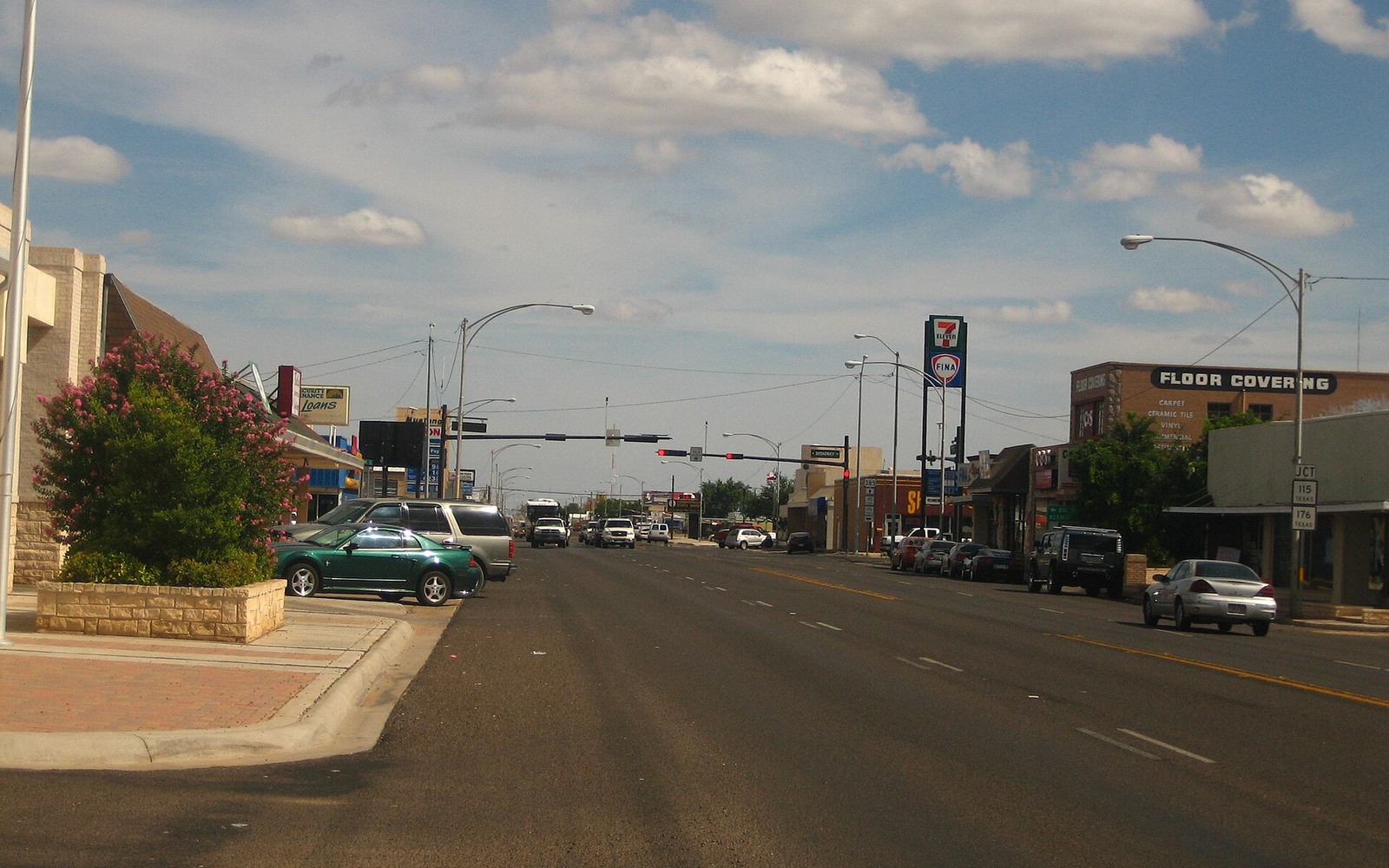
Andrews is the county seat and has been an oil town since the field that bears its name was discovered in the 1930s, which means mineral ownership in and around the city itself often carries a longer, more layered history than outlying rural sections.
The town of Andrews grew directly out of oil development, and that history shows up in how mineral ownership near the city has been handled over the decades. In-town and near-town tracts were often subdivided for surface use long before horizontal drilling made the minerals under them valuable again, which is exactly the kind of split that gets missed unless someone checks the deed.
Because Andrews grew directly around its oilfield, the town's older neighborhoods sometimes carry mineral reservation language dating to the original platting decades ago, language that a lot of current homeowners have never actually read on their own deed.
A Town Centered on the Field
Andrews' original townsite development in the 1930s and 40s ran alongside the county's earliest oil discoveries, and it's common to find that residential or commercial lots inside the city retained mineral rights separate from the surface even after the land got platted and sold for homes and businesses.
Modern Horizontal Units Under an Old Town
Wolfcamp and Spraberry horizontal units drilled over the last decade don't stop at city limits, and acreage in and immediately around Andrews has been pooled into modern units just like the surrounding rural sections. If your family kept minerals under a lot that's now inside the city, that interest is worth checking against current unit boundaries.
Confirming Ownership at the Courthouse
Because Andrews is the county seat, the Andrews County Clerk's office is right there in town, and pulling deed history on an in-town tract is usually faster than on far-flung rural sections. That's the first step before any real offer gets discussed.
Comparing In-Town and Rural County Offers
An in-town Andrews tract and a rural section elsewhere in the county can be valued very differently even though they're both Andrews County ground, because unit boundaries, well count, and production history don't follow city limits. We evaluate each tract on its own current data rather than assuming town and country are interchangeable.
Place the county tract on the basin board
The local file should tie the county record and legal description to the relevant basin, formation, field, unit, wells, permits, and operator position. A surface address can help find the tract, but it does not establish the mineral interest or prove participation in nearby development.
Read the local well vintages
Producing wells, shut-in wells, intermittent wells, newer laterals, older vertical wells, nearby completions, and general operator acreage in the surrounding area belong in separate evidence lanes. The paid property history carries more weight than a rig or permit that does not include the subject acreage.
Reconcile the ownership line
Deeds, reservations, leases, assignments, probate or trust records, division orders, unit documents, payor records, and statements should all point to the same local interest. Acreage, fractions, burdens, depths, products, and the paid decimal stay open until the supporting records agree.
Compare the deed and closing terms
A written offer for the tract should state the exact interest conveyed, effective date, receivables, reservations, title standard, curative responsibility, adjustment rights, payment conditions, and recording sequence. A strong headline number can still carry a broad deed or a weak closing condition.
Texas Owner Questions
Do in-town mineral interests get valued differently than rural county tracts?
The process is the same, confirm ownership, check current production or unit status, then value it against real numbers. In-town tracts sometimes have more complicated title history from subdivision plats.
Your lot is inside the Andrews city limits. Can it still be part of a drilling unit?
Yes. Horizontal units are drawn around the geology, not city boundaries, so in-town acreage can be pooled into the same units as surrounding rural land.
Where do you go to check your deed?
The Andrews County Clerk's office, located in the courthouse in Andrews, holds the deed and probate records for the entire county.
Would your in-town Andrews lot be worth the same as a rural county tract?
Not necessarily. Value depends on which specific unit and wells your minerals are pooled into, not on whether the tract is inside city limits.