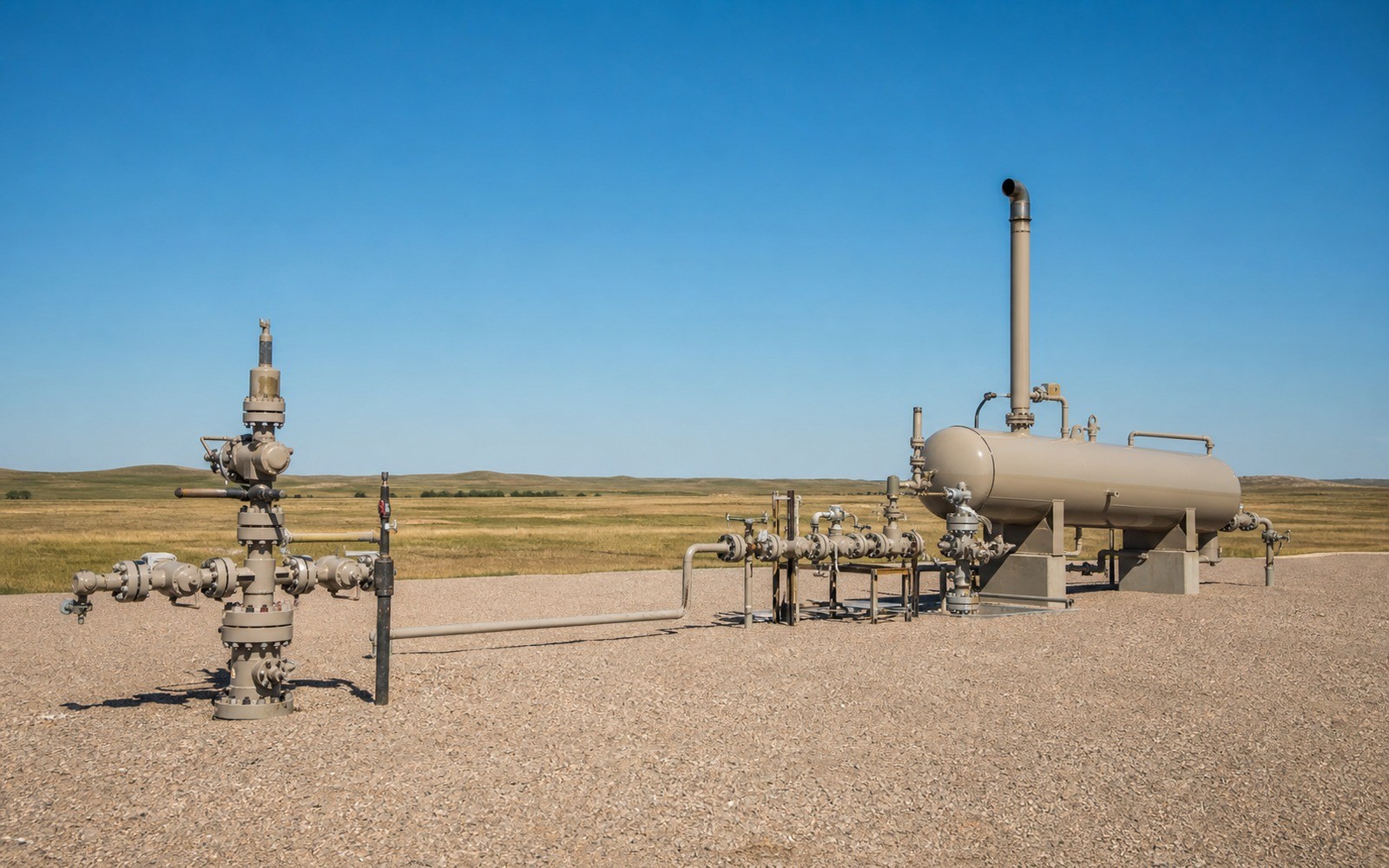
Big Wells was a quiet farming town before the Eagle Ford boom brought a wave of oilfield workers, man-camps, and service traffic through Dimmit County starting around 2010, and the surrounding land saw heavy leasing activity during that stretch.
Dimmit County's oil-window position made Big Wells one of the busier small towns during the Eagle Ford's peak years, and while the man-camp boom has quieted since, the underlying wells drilled during that period continue producing. Mineral owners here are generally dealing with production-backed interests from a well-documented, relatively recent leasing era rather than decades of tangled older history.
The man-camp era brought a flood of temporary workers through Big Wells, and while that boom-town intensity has faded, the wells drilled during that period are still very much part of the local economy, quietly producing years after the crews moved on.
The boom years brought national attention to Big Wells, but the town has settled back into a quieter rhythm since, with royalty checks now the main ongoing connection many families have to the Eagle Ford activity that once filled local motels and RV parks.
Boom-Era Leasing, Now Mature
Most Big Wells-area leases date from the 2010s Eagle Ford boom, meaning ownership records are generally more recent and easier to trace than in counties with a century of prior oil history.
Core Oil Window Economics
Dimmit County sits in the Eagle Ford's strong oil and condensate window, and Big Wells falls within that core, which has historically supported solid well economics compared to the play's gassier fringes.
Checking Current Production
We check Railroad Commission and Dimmit County Clerk records against your tract to confirm whether the well tied to your interest is still producing and at what stage of decline before valuing anything.
What Changed as Activity Slowed
As Eagle Ford drilling activity in Dimmit County slowed from its peak, existing wells near Big Wells kept producing on their natural decline curves, meaning royalty income continued even without the constant new-well activity that defined the boom years.
Place the county tract on the basin board
The local file should tie the county record and legal description to the relevant basin, formation, field, unit, wells, permits, and operator position. A surface address can help find the tract, but it does not establish the mineral interest or prove participation in nearby development.
Read the local well vintages
Producing wells, shut-in wells, intermittent wells, newer laterals, older vertical wells, nearby completions, and general operator acreage in the surrounding area belong in separate evidence lanes. The paid property history carries more weight than a rig or permit that does not include the subject acreage.
Reconcile the ownership line
Deeds, reservations, leases, assignments, probate or trust records, division orders, unit documents, payor records, and statements should all point to the same local interest. Acreage, fractions, burdens, depths, products, and the paid decimal stay open until the supporting records agree.
Compare the deed and closing terms
A written offer for the tract should state the exact interest conveyed, effective date, receivables, reservations, title standard, curative responsibility, adjustment rights, payment conditions, and recording sequence. A strong headline number can still carry a broad deed or a weak closing condition.
Texas Owner Questions
Are Big Wells' Eagle Ford wells still producing?
Many wells drilled during the 2010s boom continue producing today, though generally at reduced, more mature rates.
Is Big Wells still an active service hub?
Activity has quieted from the peak boom years, but the county remains an active part of the Eagle Ford play.
How recent is most mineral leasing history around Big Wells?
Most leases here date from the 2010s onward, generally making title research more straightforward than in older Permian counties.
Did royalty income stop when the Big Wells boom slowed down?
No, existing wells continue producing and paying royalty on their natural decline curve even after new drilling activity slows.
Has Big Wells' oilfield activity slowed permanently?
Activity has slowed from peak boom levels, though it moves in cycles tied to commodity prices, and existing wells continue producing.
Is it too late to get a fair offer if the Big Wells boom has already passed?
No, existing production still has real value; offers reflect current data, not boom-year hype either way.