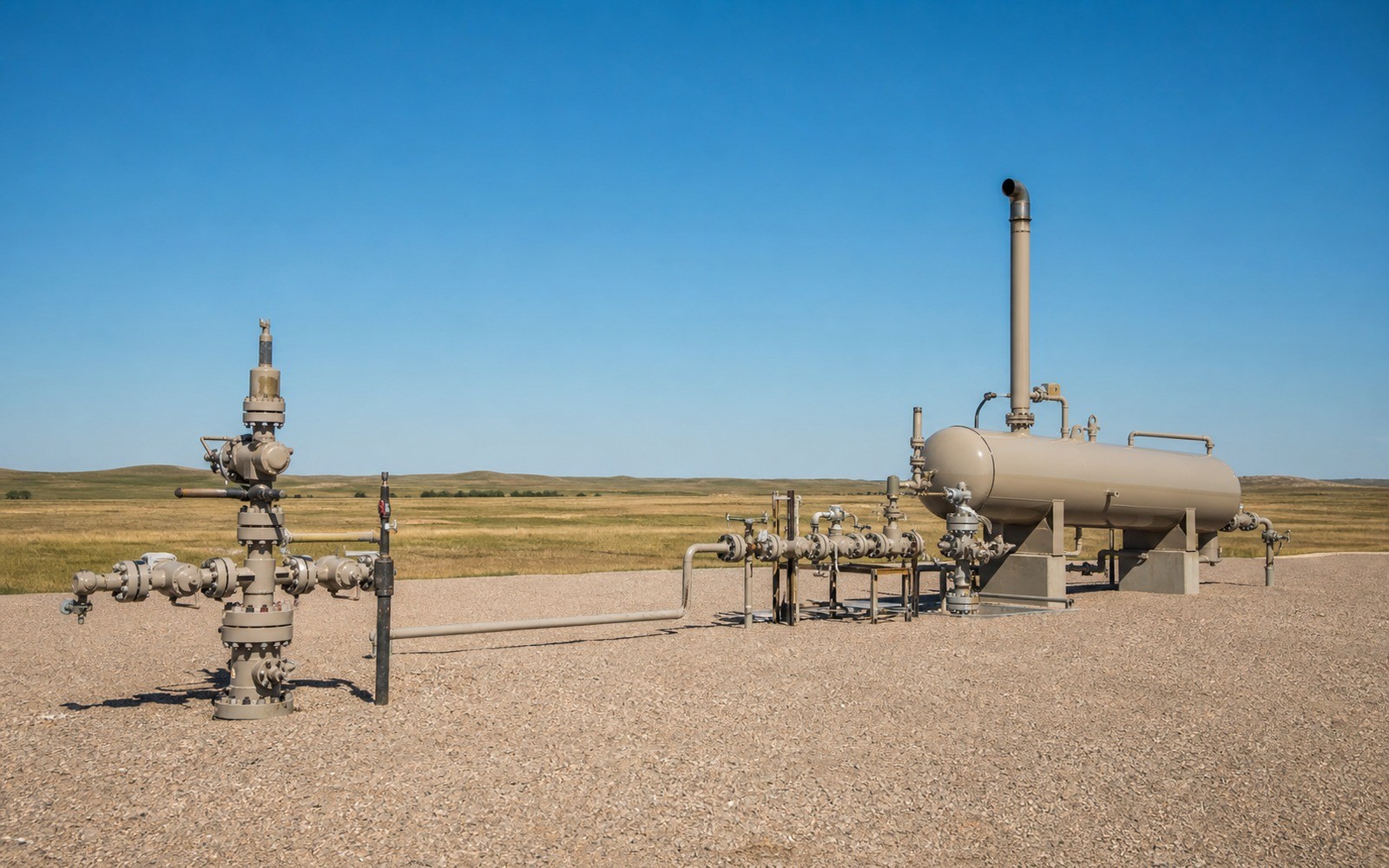
Newark sits at the exact spot where the Barnett Shale got its real start, the Newark East Field is the ground Mitchell Energy proved the whole play on.
Small-town Newark sits in Wise County at the heart of the Barnett Shale's founding acreage, the Newark East Field, where slickwater fracking techniques were refined into a repeatable, commercial process in the late 1990s and early 2000s. Every major operator in the Barnett traces its playbook back to wells drilled on this ground, and mineral ownership around Newark reflects some of the longest, deepest Barnett production history anywhere in Texas.
The Field That Started the Shale Revolution
The Newark East Field is where operators first proved that a tight shale formation could be produced commercially at scale using horizontal drilling and slickwater hydraulic fracturing, a combination that later got applied across the Eagle Ford, the Permian, and every other major U.S. shale play. Wells in this specific field are some of the oldest, most closely studied Barnett Shale production anywhere.
That history means we have decades of production data for this specific area, giving us unusually reliable comparables when valuing your interest.
Where a Newark-Area Interest Sits Today
Given how early this field was developed, most wells here are deep into a long, mature decline by now, producing steadily but well below their historic peak. That's normal, and it's exactly why the valuation is straightforward: the well's behavior over two decades is on record.
We check current production for your specific unit against that long-term track record before quoting.
Tracing Wise County's Oldest Barnett Deeds
Because leasing here began before the rest of the play existed, some Newark-area deeds and division orders are among the oldest Barnett Shale paperwork in Texas, and title can have passed through several owners or heirs since the original lease was signed. We pull the Wise County Clerk's record to confirm your current ownership share.
If your family has held this interest since the field's earliest days, that long, well-documented history actually works in your favor for establishing clean title.
Place the county tract on the basin board
The local file should tie the county record and legal description to the relevant basin, formation, field, unit, wells, permits, and operator position. A surface address can help find the tract, but it does not establish the mineral interest or prove participation in nearby development.
Read the local well vintages
Producing wells, shut-in wells, intermittent wells, newer laterals, older vertical wells, nearby completions, and general operator acreage in the surrounding area belong in separate evidence lanes. The paid property history carries more weight than a rig or permit that does not include the subject acreage.
Reconcile the ownership line
Deeds, reservations, leases, assignments, probate or trust records, division orders, unit documents, payor records, and statements should all point to the same local interest. Acreage, fractions, burdens, depths, products, and the paid decimal stay open until the supporting records agree.
Compare the deed and closing terms
A written offer for the tract should state the exact interest conveyed, effective date, receivables, reservations, title standard, curative responsibility, adjustment rights, payment conditions, and recording sequence. A strong headline number can still carry a broad deed or a weak closing condition.
Texas Owner Questions
Is it true the Barnett Shale started near Newark?
Yes. The Newark East Field is widely recognized as the ground where horizontal drilling and slickwater fracturing were first proven commercially viable for shale gas, techniques later applied across every major U.S. shale play.
Is a well this old still producing anything worth selling?
Most wells here are well into a long, mature decline, but that decades-long track record makes for a reliable, well-documented valuation, not a speculative one.
How far back does the deed history go for a Newark-area interest?
Some leases and deeds here predate the rest of the Barnett Shale play by several years. We trace the full chain at the Wise County Clerk's office regardless of how old it is.
Does the Newark East Field's historical significance affect what your interest is worth?
The history itself doesn't add value, but the decades of production data it left behind gives us unusually strong comparables for pricing your specific interest accurately.