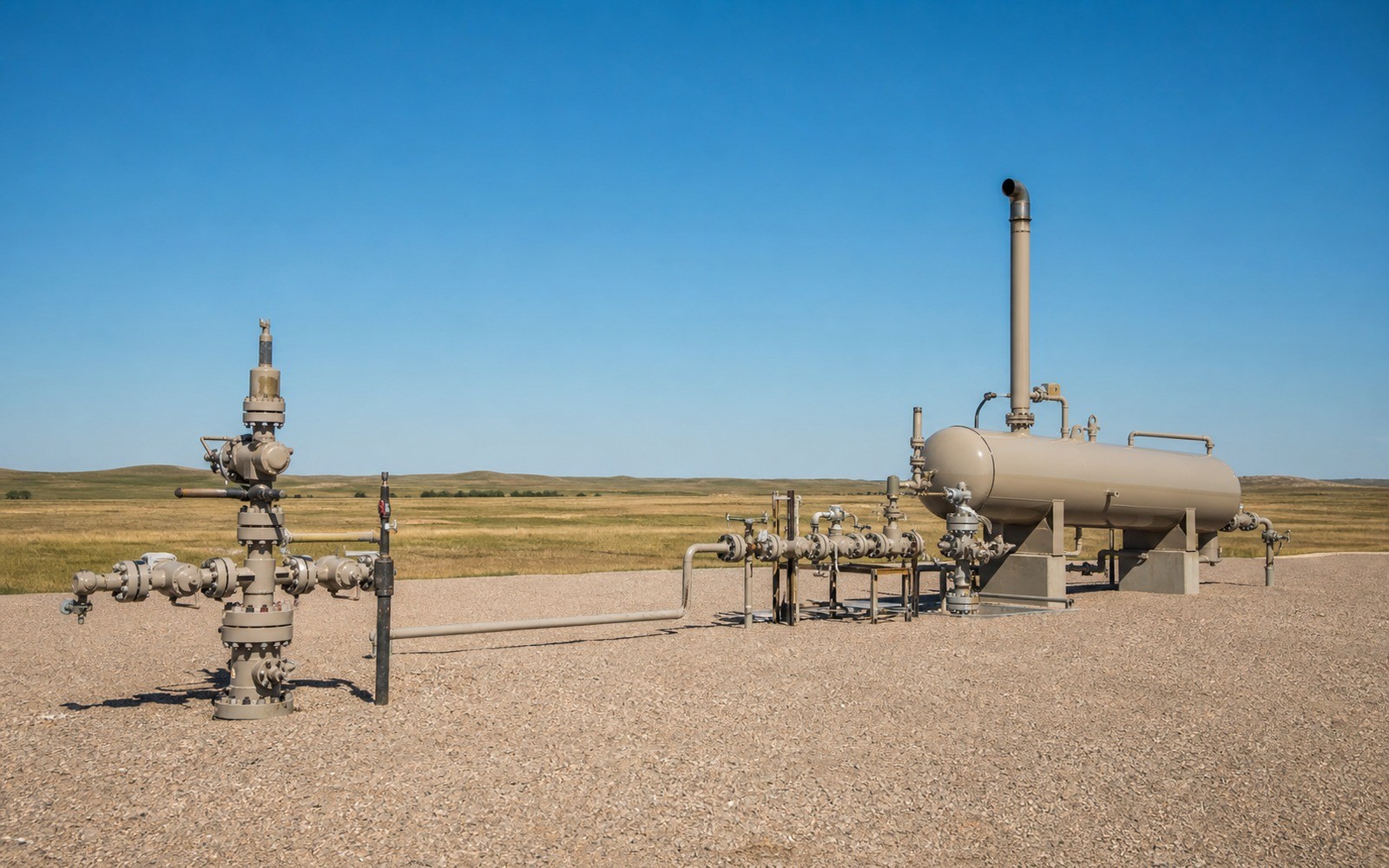
Northlake grew fast, warehouses and new subdivisions where cattle pasture used to be, but the Barnett gas rights under a lot of that ground never went anywhere.
Northlake sits in the part of Denton County that saw heavy Barnett Shale horizontal drilling during the play's peak years, before the town's recent growth boom brought rooftops and distribution centers to the same acreage. Mineral ownership around here is a patchwork: some tracts kept minerals with the original ranch family, others had them severed off when the land was platted for development.
Growth on Top of Gas Country
A lot of Northlake's new construction sits on land that was leased and drilled during the Barnett Shale boom of the 2000s, before the current wave of rooftops arrived. Wells that went in on what was then open pasture are now producing, at whatever stage of decline, underneath streets and subdivisions.
If you held onto land here through that transition, or inherited a tract from a family that did, it's worth checking whether the mineral rights are still yours or were severed off during a prior sale.
Checking What Survived the Platting Process
When ranch land gets subdivided for residential or commercial development, mineral rights are sometimes reserved by the seller, sometimes conveyed with the surface, and the paperwork isn't always obvious to the current owner years later. We pull the Denton County Clerk's record to confirm exactly what your deed grants before we talk numbers.
This matters more in a fast-growing town like Northlake than in a rural county, because more of the underlying land has changed hands recently, and each transaction is a chance for mineral rights to have been split off.
What a Mature Barnett Well Pays Today
Most Barnett Shale wells in this part of Denton County are well past their peak production years by now, producing steadily but at a fraction of their early output. That mature stage actually makes for a predictable valuation, since the decline curve is well established.
We price against your specific well's current output and remaining life, not against the play's boom-era reputation.
Place the county tract on the basin board
The local file should tie the county record and legal description to the relevant basin, formation, field, unit, wells, permits, and operator position. A surface address can help find the tract, but it does not establish the mineral interest or prove participation in nearby development.
Read the local well vintages
Producing wells, shut-in wells, intermittent wells, newer laterals, older vertical wells, nearby completions, and general operator acreage in the surrounding area belong in separate evidence lanes. The paid property history carries more weight than a rig or permit that does not include the subject acreage.
Reconcile the ownership line
Deeds, reservations, leases, assignments, probate or trust records, division orders, unit documents, payor records, and statements should all point to the same local interest. Acreage, fractions, burdens, depths, products, and the paid decimal stay open until the supporting records agree.
Compare the deed and closing terms
A written offer for the tract should state the exact interest conveyed, effective date, receivables, reservations, title standard, curative responsibility, adjustment rights, payment conditions, and recording sequence. A strong headline number can still carry a broad deed or a weak closing condition.
Texas Owner Questions
Your property was recently developed. Do you still own the minerals underneath it?
It depends on how the land was conveyed when it was subdivided. We check the Denton County Clerk's record to confirm whether minerals were reserved, sold separately, or conveyed with your surface deed.
Is a Barnett Shale well from the 2000s still worth anything today?
Usually, yes, though at a fraction of its early production. Mature Barnett wells have well-documented decline curves, which makes for a reliable, if modest, valuation.
Does new development near Northlake affect your mineral value?
Generally no, since gas well economics are driven by the reservoir and gas prices, not by surface development. What matters is your well's production and remaining life.
How do you find out which well your Northlake-area interest is pooled into?
We match your deed or royalty statement against Railroad Commission unit and production records to identify the specific well and current status.