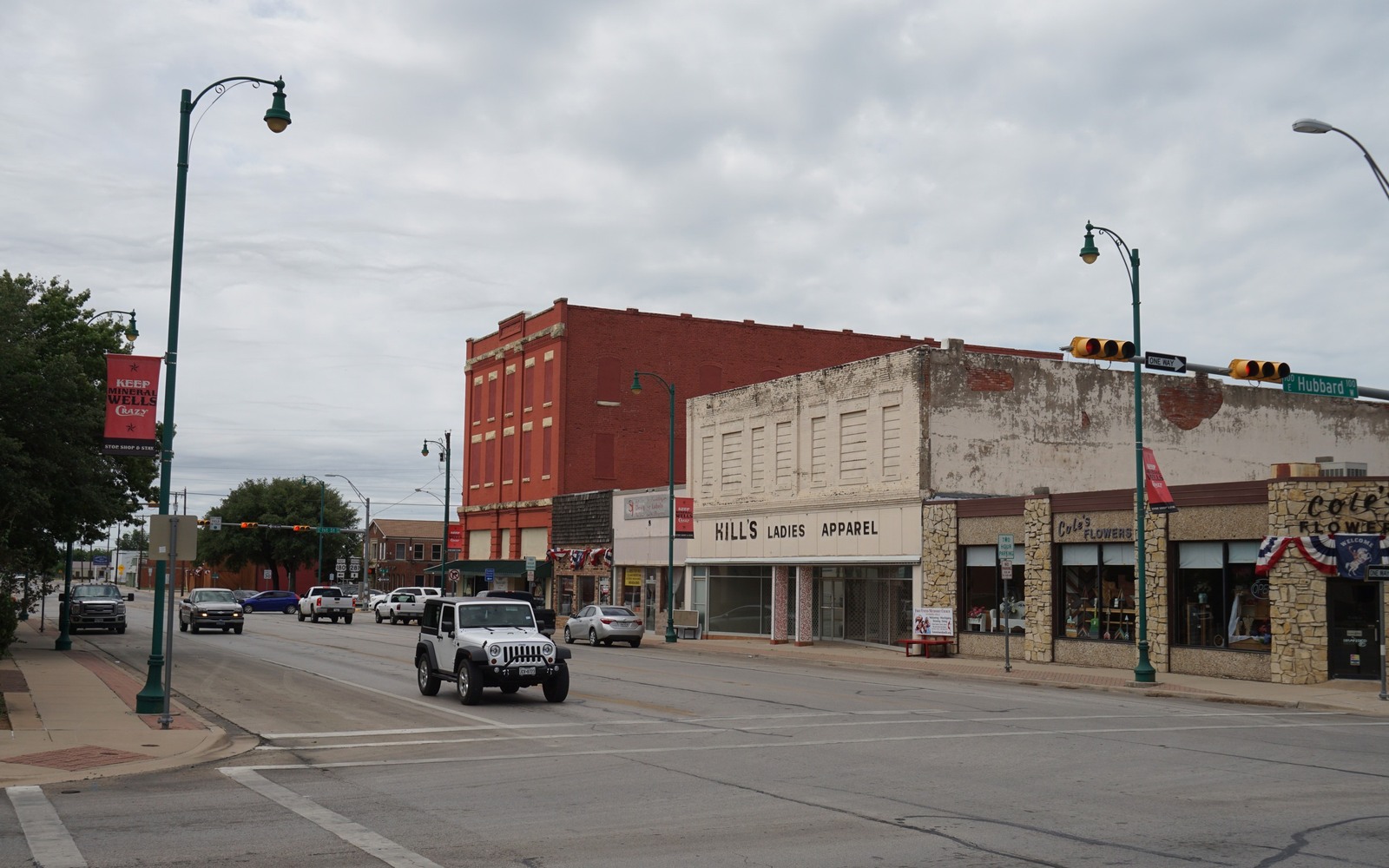
Mineral Wells earned its name from healing water wells over a century ago, not oil, which trips people up every time they assume the town's history is about drilling.
Mineral Wells sits in Parker County on the Barnett Shale's western margin, and despite the town's name, its original fame came from mineral water resorts in the early 1900s, long before anyone drilled for gas here. Oil and gas mineral ownership around town today follows the same pattern as the rest of western Parker County: ranch land, family-held for generations, with drilling activity that thinned out compared to the play's core counties further east.
A Name From Water, Not Oil
The mineral springs that gave this town its name and its early twentieth-century resort fame have nothing to do with the oil and gas mineral rights we're talking about here, a coincidence that confuses a lot of first-time callers. What matters for a mineral rights sale is what's under the ground in terms of Barnett Shale gas, not the historic bathhouse water.
That said, the confusion is common enough that we always clarify it upfront: we buy oil and gas mineral interests, not mineral water rights.
Parker County's Western Barnett Margin
Like the rest of western Parker County, the acreage around Mineral Wells sits on the edge of the Barnett Shale's productive core, where drilling activity was lighter than in Tarrant, Wise, or Denton counties. We check whether your specific tract saw actual leasing, permitting, or drilling before quoting.
Some tracts here have no oil and gas history at all, while others sit within reach of producing units. We're upfront about which situation applies to yours.
Tracing Ranch and Farm Deeds
Land around Mineral Wells has largely stayed in longtime ranching and farming families, which generally makes for cleaner deed tracing than in areas with heavy residential turnover. We pull the Parker County Clerk's record to confirm your exact ownership before discussing value.
If your family's mineral history is unclear, an old lease, a royalty statement, or simply a family name is often enough for us to start the search.
Place the county tract on the basin board
The local file should tie the county record and legal description to the relevant basin, formation, field, unit, wells, permits, and operator position. A surface address can help find the tract, but it does not establish the mineral interest or prove participation in nearby development.
Read the local well vintages
Producing wells, shut-in wells, intermittent wells, newer laterals, older vertical wells, nearby completions, and general operator acreage in the surrounding area belong in separate evidence lanes. The paid property history carries more weight than a rig or permit that does not include the subject acreage.
Reconcile the ownership line
Deeds, reservations, leases, assignments, probate or trust records, division orders, unit documents, payor records, and statements should all point to the same local interest. Acreage, fractions, burdens, depths, products, and the paid decimal stay open until the supporting records agree.
Compare the deed and closing terms
A written offer for the tract should state the exact interest conveyed, effective date, receivables, reservations, title standard, curative responsibility, adjustment rights, payment conditions, and recording sequence. A strong headline number can still carry a broad deed or a weak closing condition.
Texas Owner Questions
Does Mineral Wells' name have anything to do with oil and gas minerals?
No. The town's name comes from mineral water springs and a historic health resort era in the early 1900s, unrelated to the oil and gas mineral rights we buy.
Is there actual Barnett Shale activity near Mineral Wells?
The area sits on the play's western margin, where activity is lighter than in the core counties to the east. We check your specific tract's history before quoting.
How do you trace ranch land deeds around Mineral Wells?
We pull the Parker County Clerk's records for your specific tract, which is generally straightforward for land that's stayed in the same family for generations.
What if your tract was never leased or drilled?
We'll tell you plainly if there's no oil and gas history tied to your property. Some undeveloped western Parker County tracts still carry modest speculative value depending on nearby activity.