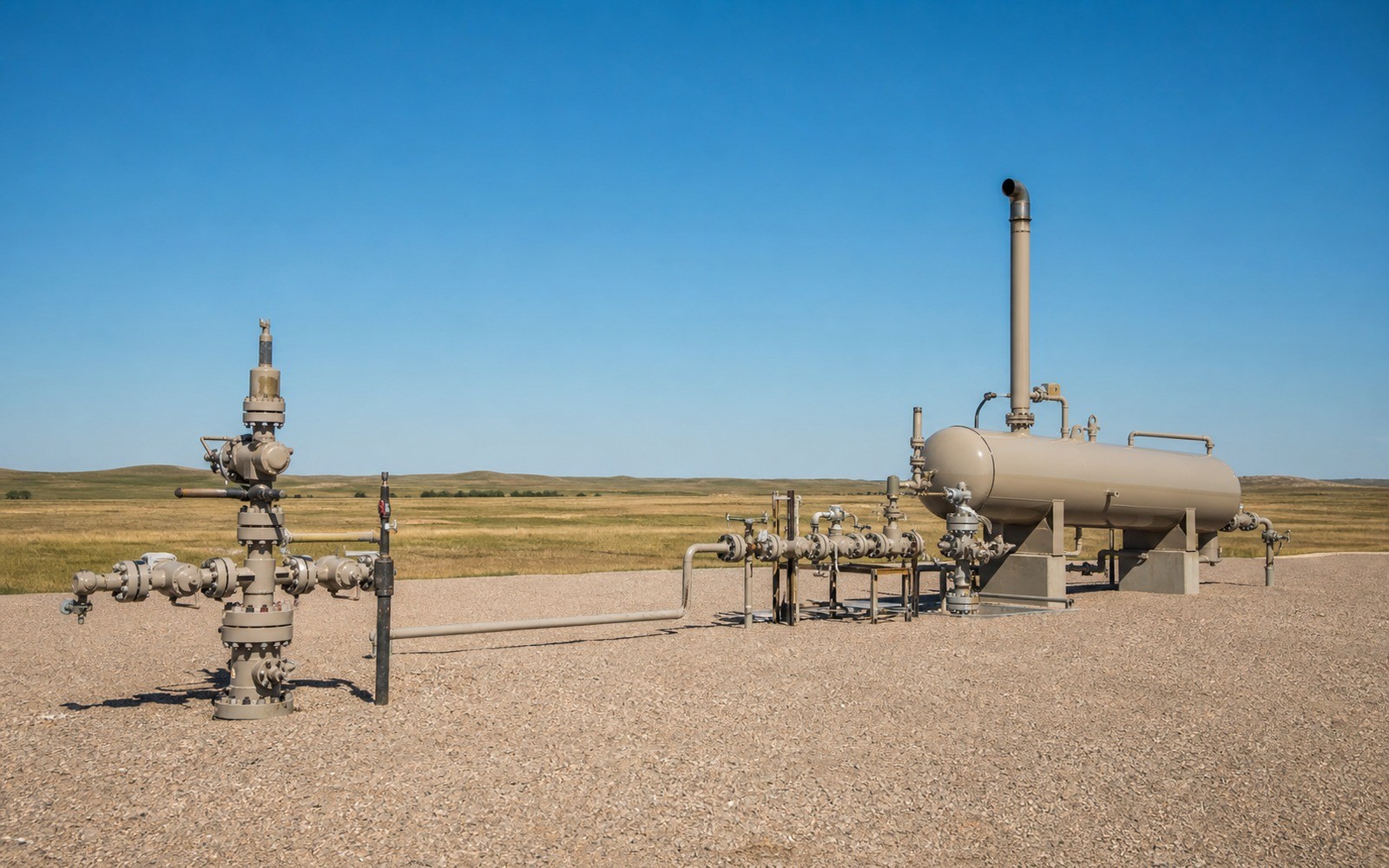
Argyle is horse-country Denton County along the I-35W growth corridor, and the pastureland that made it famous for equestrian estates sits over the same Barnett Shale that made Tarrant County a gas-drilling hub two decades ago.
Denton County's Barnett acreage saw real drilling activity during the boom years, though generally less dense than the thick core further south and east. As Argyle's ranches gave way to larger equestrian and residential developments, mineral ownership frequently stayed with the original landowning families even as the surface use changed entirely.
Argyle's transformation into horse country happened gradually enough that a lot of the original ranch families never fully left, they just changed how they used the land, while quietly holding onto minerals that got leased decades earlier.
Argyle's equestrian estates sit on some of the more expensive per-acre surface real estate in Denton County, but that surface value has no direct bearing on what the mineral estate underneath is worth, the two are assessed on entirely separate terms.
Horse Country Over Gas Country
It's easy to forget, looking at Argyle's fenced pastures and riding arenas today, that this ground has an active gas-leasing history from the 2000s. Some tracts here are still under lease and producing from vertical or early horizontal wells drilled during that period.
What Happens When Ranchland Subdivides
As large tracts around Argyle got divided into smaller estate lots, mineral rights weren't always carried along automatically with each new parcel. Checking whether your specific lot's deed reserved or conveyed minerals is the first real step toward understanding what you own.
Denton County Records
The Denton County Clerk's office holds the deed history that settles ownership questions here. We pull that record before discussing any number on Argyle-area minerals.
What Happens When a Lease Sits Idle for Years
An idle Barnett lease near Argyle that hasn't been drilled in years isn't necessarily dead. Some leases include provisions that keep them alive through minimum royalty payments or continued operations elsewhere in a pooled unit, which is worth confirming before assuming the mineral rights are unencumbered.
Place the county tract on the basin board
The local file should tie the county record and legal description to the relevant basin, formation, field, unit, wells, permits, and operator position. A surface address can help find the tract, but it does not establish the mineral interest or prove participation in nearby development.
Read the local well vintages
Producing wells, shut-in wells, intermittent wells, newer laterals, older vertical wells, nearby completions, and general operator acreage in the surrounding area belong in separate evidence lanes. The paid property history carries more weight than a rig or permit that does not include the subject acreage.
Reconcile the ownership line
Deeds, reservations, leases, assignments, probate or trust records, division orders, unit documents, payor records, and statements should all point to the same local interest. Acreage, fractions, burdens, depths, products, and the paid decimal stay open until the supporting records agree.
Compare the deed and closing terms
A written offer for the tract should state the exact interest conveyed, effective date, receivables, reservations, title standard, curative responsibility, adjustment rights, payment conditions, and recording sequence. A strong headline number can still carry a broad deed or a weak closing condition.
Texas Owner Questions
Is there still active drilling near Argyle?
New drilling has slowed significantly, but existing Barnett wells in the area continue to produce and pay royalty.
You bought your property recently. Do you own the minerals?
Not necessarily. Many Denton County subdivisions were sold with mineral rights reserved by the prior owner. Check your deed's language.
What paperwork do you need to get started?
A deed, division order, or royalty statement is enough for us to start pulling the rest from county records.
Is your Argyle lease still active if no new drilling has happened recently?
It depends on the lease terms and whether the well it's tied to is still producing. We check current status against Railroad Commission records.
Does your Argyle property's high surface value affect your mineral rights value?
No, surface real estate value and mineral value are assessed independently; minerals are valued on production and lease terms, not on the home or land price above them.