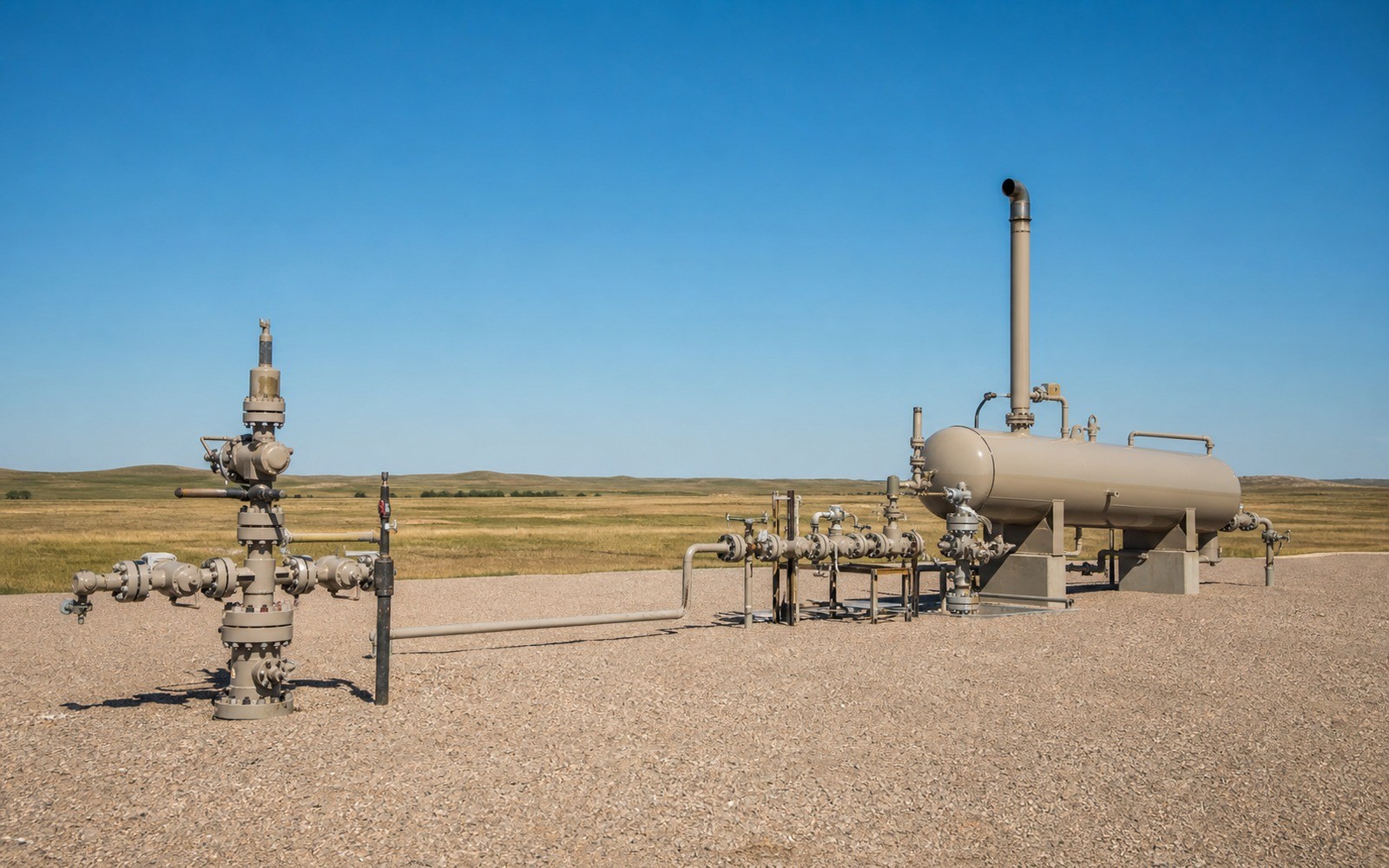
Marshall's courthouse square has seen East Texas oil money come and go since the 1930s, and the Haynesville gas boom just added another chapter to that record.
Harrison County sits at the eastern edge of the Texas Haynesville Shale, a deep, high-pressure gas play that requires expensive wells but has drawn sustained operator interest around Marshall for years. Mineral ownership here often traces back to old East Texas field production from the 1930s and 40s, with newer Haynesville leases layered on top of decades-old family land.
Deep Gas, Different Economics
The Haynesville is a deep, tight formation, and wells here cost more to drill than a typical shale well, which means operators are more selective about where they commit capital. Gas price swings hit Haynesville economics harder and faster than they hit an oil-weighted play, and that shows up directly in royalty check size.
For a Marshall-area mineral owner, understanding whether your interest sits in an actively drilled part of Harrison County or a quieter stretch matters more here than in most plays, because the gap between the two can be significant.
Layered History from the Old East Texas Field
Some Harrison County tracts around Marshall carry mineral history reaching back to the original East Texas oil boom, decades before Haynesville gas was ever a target. That layered history can mean old, small legacy production sitting alongside a newer Haynesville lease on the same acreage.
We check the Harrison County Clerk's record for both layers before quoting, since ignoring the older production would leave value on the table.
What Gas Price Swings Mean for Your Offer
Because the Haynesville is gas-weighted, your royalty check tracks natural gas prices more directly than it would in an oil play. That volatility is exactly why some owners choose to lock in a sale value now rather than ride out commodity swings for years.
We factor current gas pricing and your well's specific decline stage into the number, and we're straightforward when a low-price environment affects what we can offer.
Place the county tract on the basin board
The local file should tie the county record and legal description to the relevant basin, formation, field, unit, wells, permits, and operator position. A surface address can help find the tract, but it does not establish the mineral interest or prove participation in nearby development.
Read the local well vintages
Producing wells, shut-in wells, intermittent wells, newer laterals, older vertical wells, nearby completions, and general operator acreage in the surrounding area belong in separate evidence lanes. The paid property history carries more weight than a rig or permit that does not include the subject acreage.
Reconcile the ownership line
Deeds, reservations, leases, assignments, probate or trust records, division orders, unit documents, payor records, and statements should all point to the same local interest. Acreage, fractions, burdens, depths, products, and the paid decimal stay open until the supporting records agree.
Compare the deed and closing terms
A written offer for the tract should state the exact interest conveyed, effective date, receivables, reservations, title standard, curative responsibility, adjustment rights, payment conditions, and recording sequence. A strong headline number can still carry a broad deed or a weak closing condition.
Texas Owner Questions
Why does gas price matter more for your Marshall-area interest than it would for an oil well?
Haynesville wells produce mostly natural gas, so your royalty check is directly tied to gas prices rather than oil. That makes valuation more sensitive to commodity swings than it would be in an oil-weighted play.
Your family's deed goes back to the original East Texas oil boom. Does that still matter?
It can. Some Harrison County tracts carry both old legacy production and newer Haynesville leases. We check for both when reviewing your interest.
Is Harrison County still seeing active Haynesville drilling?
Activity varies with gas prices and shifts by section. We check current Railroad Commission permits for your specific tract before making an offer.
How is a deep gas well's royalty different from a typical Eagle Ford or Permian well?
Haynesville wells cost more to drill and produce almost entirely gas, which means operator development pace tracks gas prices closely. That affects both current royalty income and the pace of future drilling near your tract.