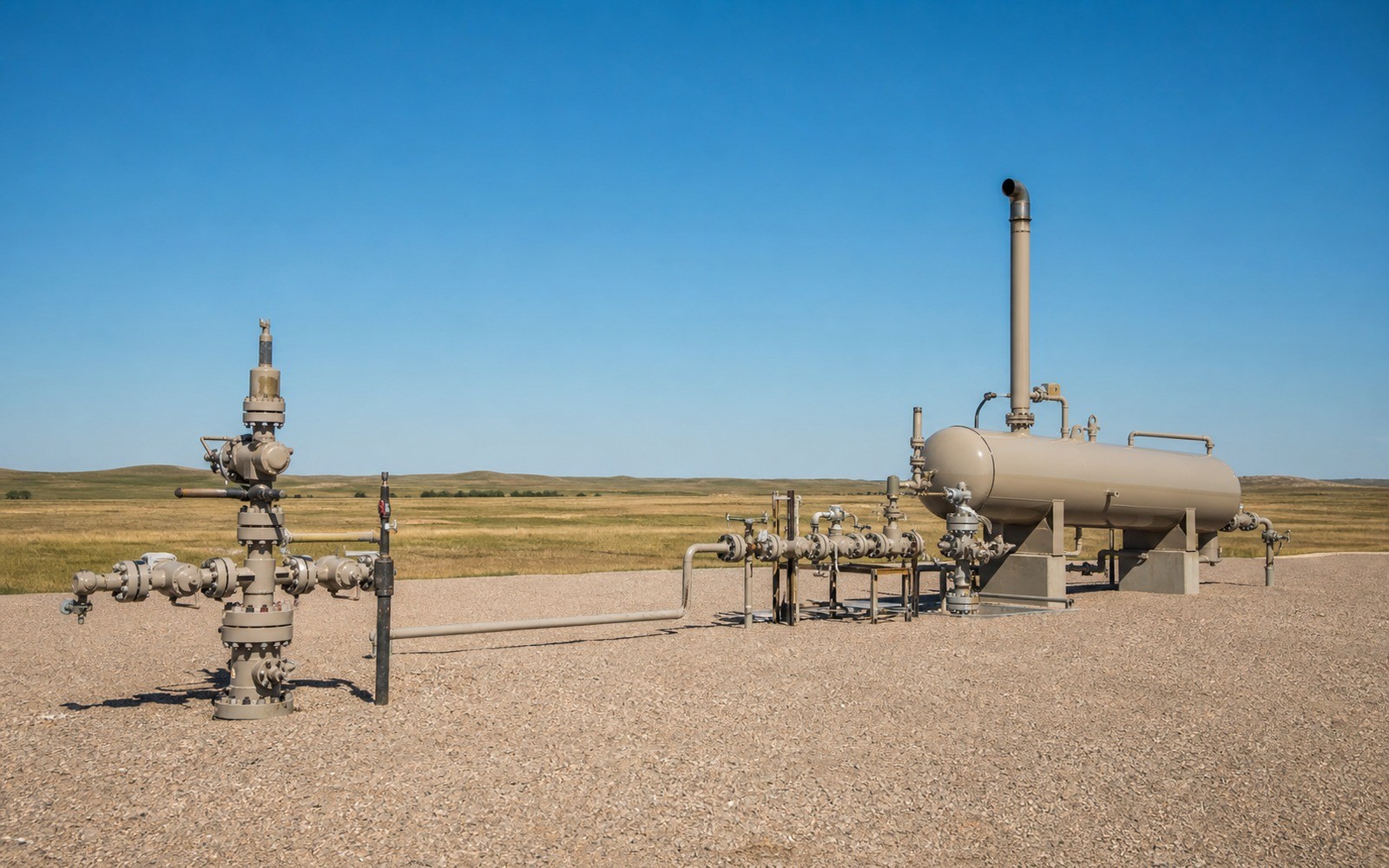
Annetta is one of three small incorporated towns, along with Annetta North and Annetta South, sitting together west of Aledo on large-lot estates, and mineral ownership out here often predates the subdivision of the land into those estates.
Before Annetta became a cluster of horse properties and estate lots, this was ranchland like the rest of western Parker County, and a fair number of families who sold off the surface for residential development kept the mineral rights. That history is worth digging into, because it means the minerals under a lot someone built a house on twenty years ago may still belong to the original ranching family.
It's not unusual, across all three Annetta towns, for a resident to have lived on their property for years without ever knowing whether the original ranch family kept the mineral rights when the land was subdivided into estate lots.
Western Barnett Edge Economics
Parker County sits toward the edge of the Barnett play rather than its thick core, which means well economics here are more selective than in Tarrant or Johnson counties. That affects offers, but it doesn't mean Annetta-area minerals have no value, especially where older leases already produced.
Ranch Land Turned Estate Lots
As the three Annetta towns developed into large residential lots, mineral rights frequently stayed with whoever owned the underlying ranch before the subdivision, rather than transferring automatically to each new homeowner. If your family's name is on an old deed out here, it's worth checking whether that reservation still holds.
Confirming Title Before Selling
Parker County Clerk records in Weatherford will show exactly how minerals were handled when land in and around Annetta got subdivided. We check that history first, then value what you actually own against current lease or production status.
What an Estate-Lot Owner Should Check First
The fastest way to find out is pulling your specific deed at the Parker County Clerk's office and reading the granting and reservation clauses carefully, since that language, not general assumptions about the area, determines whether your lot carries mineral rights or not.
Place the county tract on the basin board
The local file should tie the county record and legal description to the relevant basin, formation, field, unit, wells, permits, and operator position. A surface address can help find the tract, but it does not establish the mineral interest or prove participation in nearby development.
Read the local well vintages
Producing wells, shut-in wells, intermittent wells, newer laterals, older vertical wells, nearby completions, and general operator acreage in the surrounding area belong in separate evidence lanes. The paid property history carries more weight than a rig or permit that does not include the subject acreage.
Reconcile the ownership line
Deeds, reservations, leases, assignments, probate or trust records, division orders, unit documents, payor records, and statements should all point to the same local interest. Acreage, fractions, burdens, depths, products, and the paid decimal stay open until the supporting records agree.
Compare the deed and closing terms
A written offer for the tract should state the exact interest conveyed, effective date, receivables, reservations, title standard, curative responsibility, adjustment rights, payment conditions, and recording sequence. A strong headline number can still carry a broad deed or a weak closing condition.
Texas Owner Questions
How is Annetta different from Annetta North or Annetta South for mineral purposes?
Geologically they're essentially the same Barnett edge position; the difference is usually in the specific tract's lease and title history, which we check individually.
If you sold your house here but kept the minerals, is that still valid?
Yes, mineral reservations in a deed remain valid regardless of who owns the surface now, as long as they were properly recorded.
Is there still drilling activity near Annetta?
Activity has slowed from the mid-2000s boom years, but existing wells continue producing and can still generate royalty.
How do you read your deed to check for a mineral reservation?
Look for language reserving minerals, royalties, or oil and gas rights to a prior owner; if it's unclear, send us the deed and we'll review it.