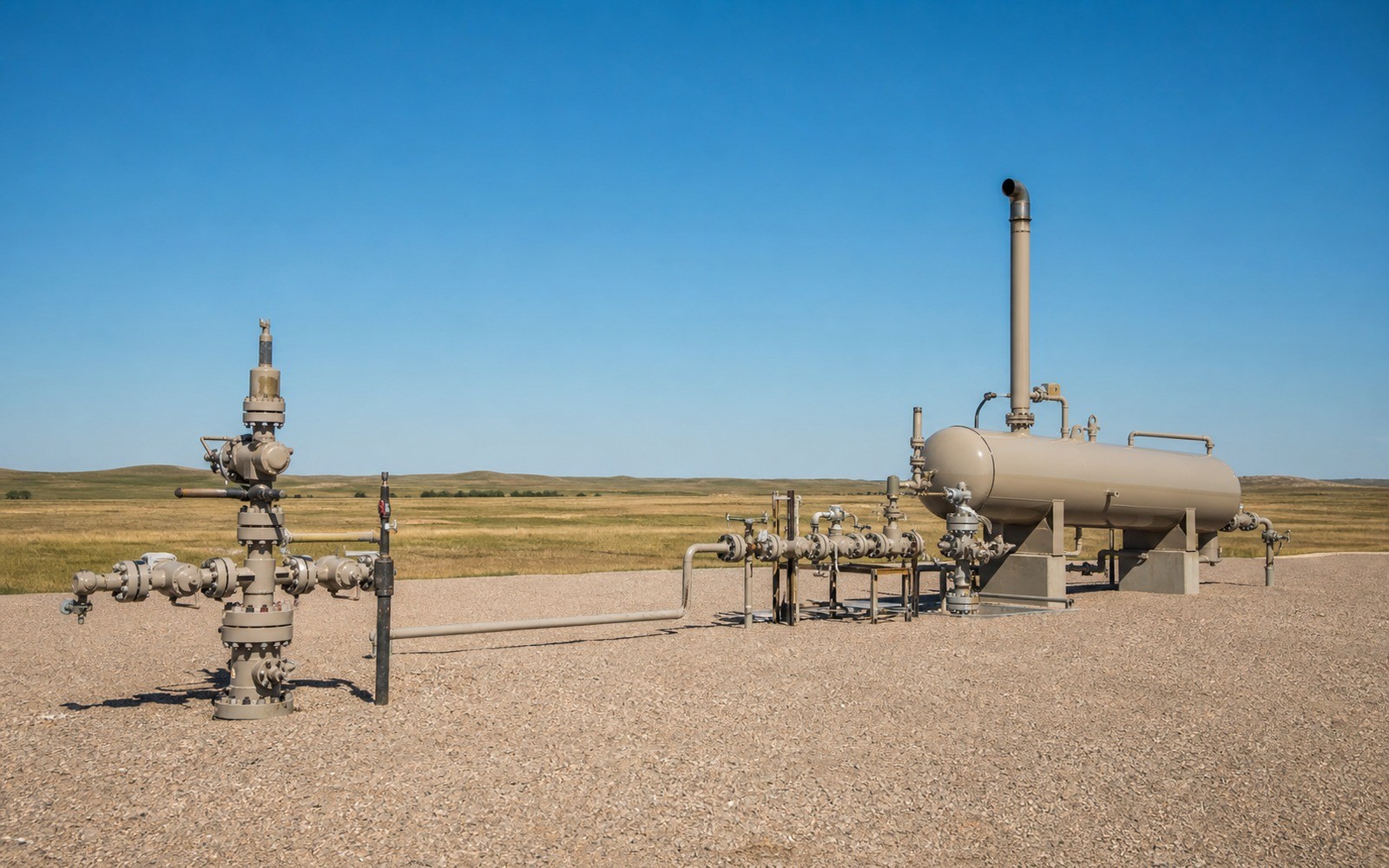
Atascosa County sits directly south of San Antonio in the Eagle Ford's oil window, and the ranchland here has carried mineral leases through two very different eras: the older, quieter conventional leasing of the mid-1900s and the horizontal drilling boom that reshaped the county after 2010.
Jourdanton is the county seat, and the courthouse there holds deed records reaching back to the original Spanish and Mexican land grants that a lot of this county's ranches trace their title to. That deep history is part of what makes Atascosa County mineral ownership worth checking carefully: interests here have often passed through more generations, more probate proceedings, and more partial conveyances than in counties where oil development only started in the last fifteen years.
For an owner today, the county's Eagle Ford oil-window position is the headline fact, but it's only the starting point. What actually determines a fair offer is where a specific tract sits relative to horizontal units already drilled, what recent production and royalty statements show if the land is leased, and whether the ownership on file at the courthouse matches who's really entitled to sell.
It's also worth understanding how Atascosa County's position relative to San Antonio has shaped both surface development and drilling patterns over the past fifteen years. Unlike more remote Eagle Ford counties further southwest, Atascosa has seen real competition between agricultural, residential, and oil and gas land uses as the San Antonio metro area has crept southward. That proximity hasn't stopped drilling, but it has meant operators sometimes had to negotiate more carefully around existing surface uses than in more sparsely populated counties, and it has meant land values here reflect more than mineral potential.
Ranch Country With Deep Title Roots
Atascosa County's ranching families often trace their land back generations, sometimes to original Spanish or Mexican land grant tracts that predate Texas statehood. When oil and gas leasing arrived, first in a lighter form decades ago and then heavily during the Eagle Ford boom, mineral rights frequently got severed from the surface or split unevenly among heirs without much formal record-keeping outside the courthouse.
That means confirming exact ownership on an Atascosa County tract today often takes real title work, not only a family's word for who owns what.
Solid Eagle Ford Oil Window Position
Atascosa County sits within the Eagle Ford's oil and condensate window, which historically drew strong horizontal drilling interest starting around 2010 and continuing in waves since. Well economics here depend heavily on where a tract falls relative to the thickest, most productive part of the formation, which varies section to section across the county.
What the Jourdanton Courthouse Shows
The Atascosa County Clerk's office in Jourdanton holds the deed, lease, and probate records that settle ownership questions. Given how many tracts here have passed through multiple generations, this is usually the single most important step before discussing any real number, confirming that the interest you believe you own is actually reflected in the recorded chain of title.
Getting a Number That Reflects Your Actual Tract
Because activity and productivity vary across Atascosa County, a real offer is built from your specific legal description, current lease status, and recent production if the tract is held, not from a flat countywide rate. Bring whatever paperwork you have, a deed, a division order, a royalty check stub, and we'll do the rest of the digging.
Multiple Operators, Multiple Units
Because Atascosa County has been developed by a range of operators over more than a decade of Eagle Ford activity, it's not unusual for a family's minerals to be split across several different production units, each governed by its own lease and each paying royalty on its own schedule. Sorting out which units cover which portion of a family's original holdings, and confirming that royalty is being correctly calculated on each, is exactly the kind of detailed work that goes into a proper valuation here rather than a single flat county number.
One more practical note for Atascosa County owners: the county's proximity to the San Antonio metro means property tax and appraisal district questions sometimes get tangled up with mineral valuation conversations in an owner's mind, even though the two are handled by entirely separate processes. A county appraisal district's assessed value for tax purposes is not the same thing as a market valuation from a mineral buyer, and the two numbers frequently don't match; that's normal and doesn't indicate either figure is wrong.
Texas Owner Questions
Is all of Atascosa County in the Eagle Ford oil window?
Most of the county falls within the broader oil-window trend, though productivity and drilling density vary by specific location, which is why we check the tract rather than quoting a flat county rate.
Your family's land traces back to an old Spanish land grant. Does that complicate a mineral sale?
It can add extra steps in title research, but it doesn't prevent a sale. We'll trace the chain of title through Atascosa County records to confirm current ownership.
How many heirs typically share a single Atascosa County mineral interest?
It varies widely, but multi-generational ranch tracts here often end up split among several to a dozen or more heirs. Each owner can generally sell their own share.
What if your interest has never been leased?
Unleased minerals are still valued and purchased, though differently than production-backed interests. We'll walk you through what that looks like for your specific tract.
Could your family's Atascosa County minerals be split across several different wells or operators?
Yes, that's common after more than a decade of Eagle Ford development involving multiple operators. We identify every unit your interest touches before valuing it.