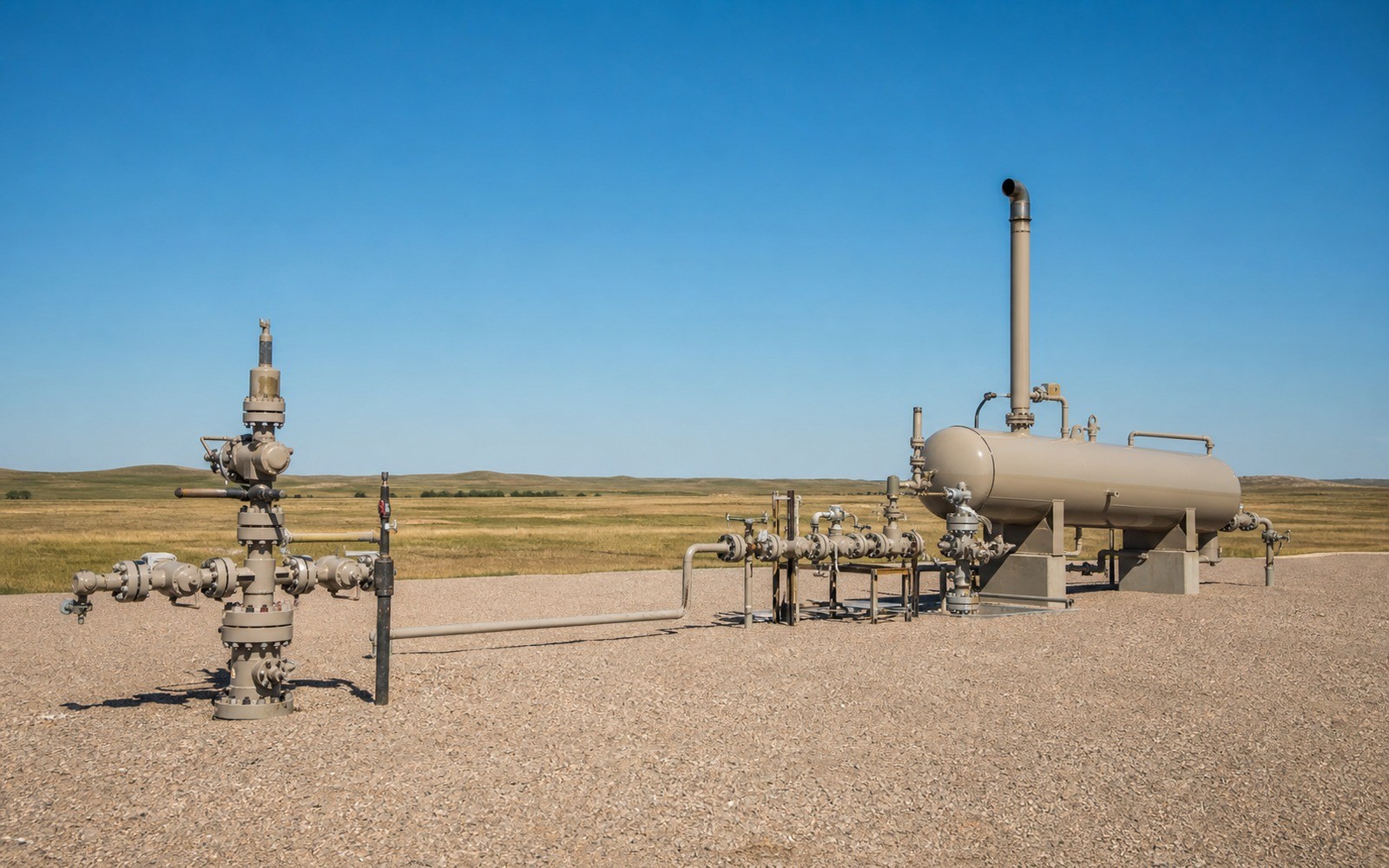
Dimmit County runs through the heart of the Eagle Ford's condensate-rich core, and the mineral ownership here still traces back, more often than not, to old South Texas ranch and porcion land grants.
Carrizo Springs is the county seat, and the deed room there holds title history that in some cases goes back to Spanish and Mexican land grants, subdivided and resubdivided over more than a century before oil and gas ever entered the picture. That history matters when you're trying to sell, because Dimmit County mineral interests are frequently split into small fractional shares across large extended families, some of whom have never lived in Texas.
On the production side, Dimmit sits in a strong part of the Eagle Ford — the condensate and volatile-oil window that made this county one of the more heavily leased parts of the play once operators understood where the best economics were.
Eagle Ford Condensate Window Geology
Dimmit County, along with neighboring La Salle and Webb counties, sits in the part of the Eagle Ford where the formation yields a lot of natural gas liquids and light condensate alongside crude oil. That combination made this stretch of the play attractive even during periods when straight dry-gas plays elsewhere were struggling, and it's part of why operators like EOG Resources maintained a heavy footprint here through multiple commodity cycles.
Newer wells in this county tend to be drilled on tighter spacing than the original units from the early boom, which means older mineral owners sometimes see a second round of leasing or a new well permit on acreage they thought was fully developed.
Carrizo Springs Title Records and Heir Property
The Dimmit County Clerk's records in Carrizo Springs reflect this county's ranching and land-grant history, and it's common for a single original tract to now carry a dozen or more heirs, each with a small fractional interest. Some of those heirs have moved away from Texas entirely, which slows down consent and paperwork on a sale unless everyone's approached at once.
We're used to working multi-heir sales in this county — coordinating with several family members, confirming each person's actual decimal, and closing everyone on the same timeline where possible.
Producing Royalty vs. Undeveloped Acreage
If your Dimmit County interest is tied to an active well, we price it against your recent royalty statements and the decline behavior typical of wells in that part of the county. If it's undeveloped — no well drilled yet — the value is tied more to nearby leasing and permit activity than to any check history, and we're upfront when a tract is too far from current activity to command a strong offer.
It's also worth knowing whether your interest is a straight royalty, a working interest, or a non-participating royalty, because each carries different obligations and different value. Most family-held interests in this county are royalty or non-participating royalty, meaning you're not on the hook for any drilling costs, but we confirm the exact type before quoting.
Working With Family-Split Ownership
It's not unusual in this county for a mineral interest to be owned by ten, fifteen, even twenty descendants of the same original landowner, each holding a fraction of a fraction. Selling doesn't require every heir to act at once — you can sell your own individual share on your own timeline, and other family members can decide separately whether to sell theirs.
When several heirs do want to sell together, we're happy to coordinate that as one process, sending each person their own paperwork so nobody has to chase down signatures from relatives they haven't spoken to in years.
Texas Owner Questions
Your interest in Dimmit County traces back to a land grant. Does that complicate a sale?
It can add steps to the title search, but it doesn't prevent a sale. We're familiar with tracing porcion and land-grant-era chains of title common in this part of South Texas.
Several of your relatives also own a piece of the same tract. Do you all have to sell together?
No. Each heir can sell their own individual interest independently. We're glad to coordinate a family closing if everyone wants to sell at once, but it's not required.
Is your part of Dimmit County still seeing new drilling?
Activity varies by section. We check current permits and completions near your specific tract before making an offer rather than relying on general county-wide trends.
What if you live out of state and can't come to Texas to sign?
That's routine for us. Documents can be notarized wherever you live and returned by mail, and we handle the rest of the closing remotely.
How do you handle heirs who don't want to sell?
We only buy the interest of the person who agrees to sell. If one heir wants to sell their share and another doesn't, that's fine — each person's decimal is their own to decide on.
What documents will you need to gather before you can close?
Usually a copy of your deed or the document showing how you inherited the interest, a division order or recent royalty statement if the tract is producing, and a valid ID for notarization. We tell you exactly what's missing once we start the title check.