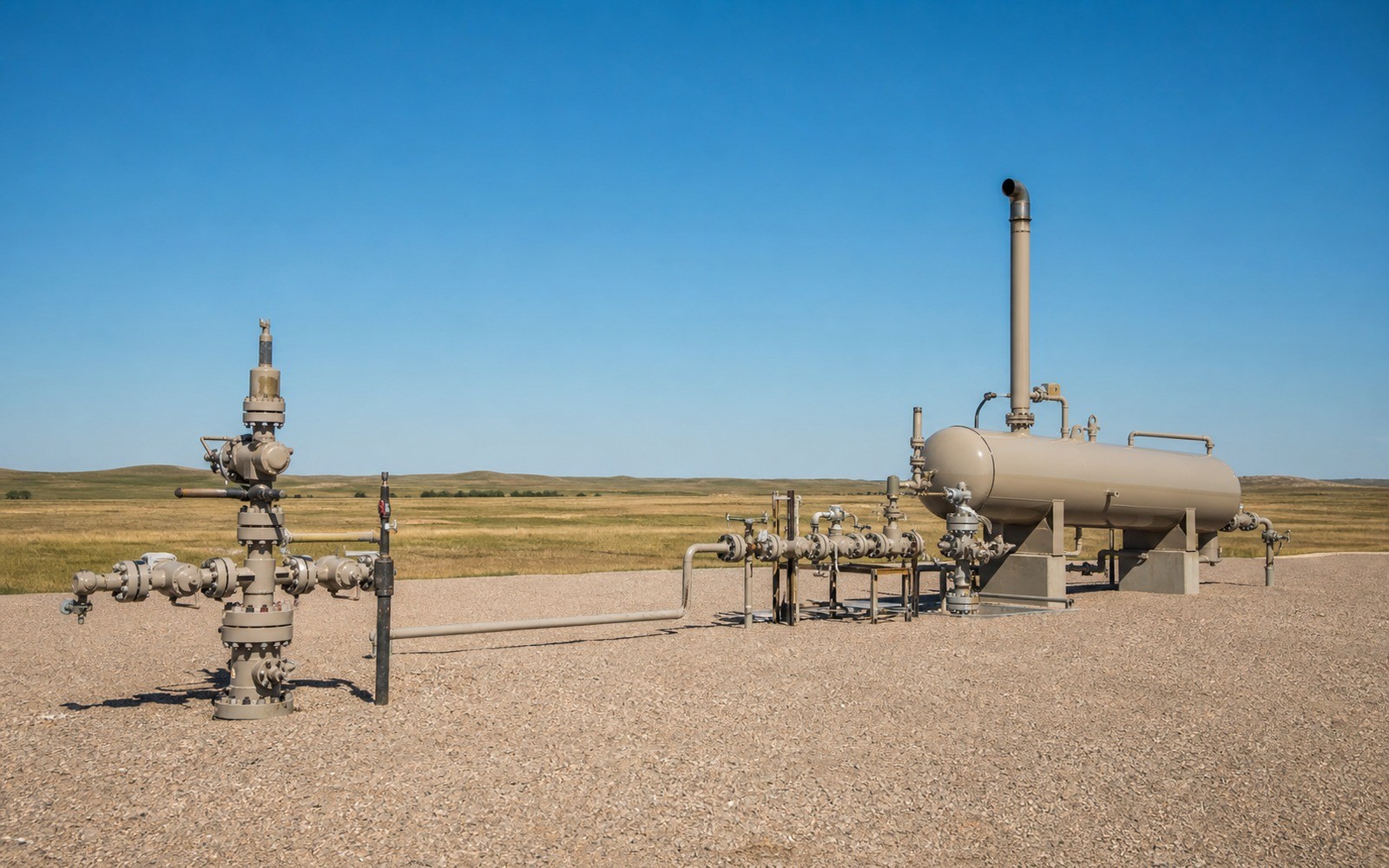
Bonanza Hills is a rural community in Webb County, part of the ranching country north and east of Laredo where large family-held tracts have carried Eagle Ford leasing activity since the play's early horizontal development.
Webb County's ranching families have generally held onto both surface and mineral rights across generations, which means Bonanza Hills-area ownership questions usually come down to how many heirs a single original tract has been split among, rather than whether the minerals were sold off decades ago.
Families around Bonanza Hills who've never dealt with an oil company before sometimes assume any offer they receive is take-it-or-leave-it, when in practice terms, timing, and price are all things worth discussing rather than accepting at face value.
Families in and around Bonanza Hills who are considering a first-time mineral sale often benefit from simply understanding the vocabulary first, net mineral acres, division order, royalty decimal, before getting into specific numbers.
Ranch-Held Minerals
Much of the land around Bonanza Hills has stayed in the same ranching families for generations, with mineral rights typically intact rather than severed off early. That makes confirming ownership more about tracing heirs than tracing old sales.
Webb County Eagle Ford Position
This part of Webb County sits within the broader Eagle Ford trend, with well economics that depend on the specific tract's position between the oil and gas windows.
What We Check at the Courthouse
The Webb County Clerk's office in Laredo holds the deed and probate records that confirm current ownership on Bonanza Hills tracts before any offer gets discussed.
Negotiating Terms, Not only Price
Beyond the headline number, terms like how quickly a sale closes, whether you're selling all or part of your interest, and how future development rights are handled all matter, and a straightforward conversation about your priorities shapes the final agreement.
Place the county tract on the basin board
The local file should tie the county record and legal description to the relevant basin, formation, field, unit, wells, permits, and operator position. A surface address can help find the tract, but it does not establish the mineral interest or prove participation in nearby development.
Read the local well vintages
Producing wells, shut-in wells, intermittent wells, newer laterals, older vertical wells, nearby completions, and general operator acreage in the surrounding area belong in separate evidence lanes. The paid property history carries more weight than a rig or permit that does not include the subject acreage.
Reconcile the ownership line
Deeds, reservations, leases, assignments, probate or trust records, division orders, unit documents, payor records, and statements should all point to the same local interest. Acreage, fractions, burdens, depths, products, and the paid decimal stay open until the supporting records agree.
Compare the deed and closing terms
A written offer for the tract should state the exact interest conveyed, effective date, receivables, reservations, title standard, curative responsibility, adjustment rights, payment conditions, and recording sequence. A strong headline number can still carry a broad deed or a weak closing condition.
Texas Owner Questions
Your family's ranch has never been leased. Is it still worth checking?
Yes, unleased minerals in an active trend are still worth a real valuation conversation.
How many heirs typically share ownership on tracts like this?
It varies, but multi-generational ranch tracts often end up split among several family members. Each can sell their own share.
What paperwork do you need to start?
A deed or even just the family name tied to the ranch is enough for us to begin pulling Webb County records.
Can you sell only part of your mineral interest near Bonanza Hills?
Yes, partial sales are common, whether by percentage of your interest or by specific depth or acreage. We can structure a sale around what fits your situation.
Can you explain basic mineral rights terms before you discuss an offer?
Yes, we're glad to walk through terminology like net mineral acres, division orders, and royalty decimals before any numbers come up.
Is it common for Bonanza Hills families to hold interests jointly with cousins or distant relatives?
Yes, multi-generational ranch ownership here often means several relatives share a single tract, each able to sell their own portion.