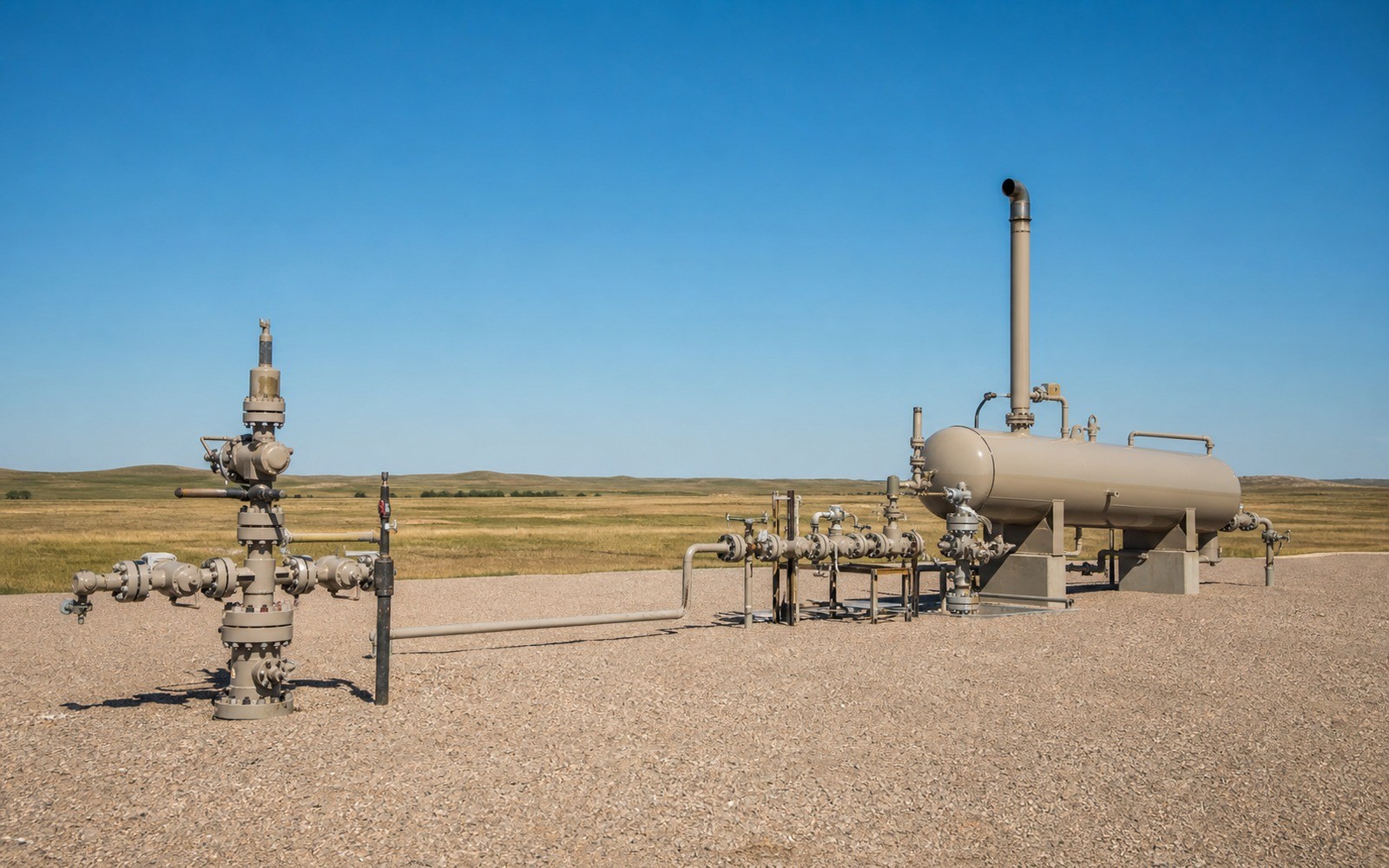
Briar sits at the far western edge of Tarrant County near the Parker County line, more rural than the dense suburban towns closer to Fort Worth, though still within the broader Barnett Shale drilling footprint.
Because Briar sits toward the transition zone between Tarrant County's thick core and Parker County's thinner edge, well economics on tracts here can vary more than in areas solidly inside one county's core. That makes checking the specific tract's position, not only its county, worth doing before assuming a value.
Briar's rural character has kept a lot of its original tract boundaries intact since the Barnett boom, which means the legal descriptions on file today often match almost exactly what was there when the first leases were signed decades ago.
Because Briar sits in a transition zone, it's worth checking not only the county but the specific unit's recent production data before assuming either a core-county or edge-county valuation applies to your tract.
A Transition Zone Position
Briar's location near the Tarrant-Parker line puts it in a transition area where Barnett thickness and well economics can shift noticeably over a short distance, which is exactly why we check specific unit data rather than a county-wide assumption.
Rural Character, Real Production
Briar has stayed more rural than much of Tarrant County, but that hasn't kept drilling away, tracts here were leased and, in many cases, drilled during the boom years just like their more suburban neighbors.
Confirming Your Interest
We check Tarrant County deed records and current production status before discussing terms on a Briar-area mineral interest.
Why Boundary Stability Simplifies Research
When a tract's legal description hasn't changed through subdivision or resale since the original lease, tracing its current mineral ownership generally takes less time and fewer courthouse trips than on land that's been split and resold repeatedly.
Place the county tract on the basin board
The local file should tie the county record and legal description to the relevant basin, formation, field, unit, wells, permits, and operator position. A surface address can help find the tract, but it does not establish the mineral interest or prove participation in nearby development.
Read the local well vintages
Producing wells, shut-in wells, intermittent wells, newer laterals, older vertical wells, nearby completions, and general operator acreage in the surrounding area belong in separate evidence lanes. The paid property history carries more weight than a rig or permit that does not include the subject acreage.
Reconcile the ownership line
Deeds, reservations, leases, assignments, probate or trust records, division orders, unit documents, payor records, and statements should all point to the same local interest. Acreage, fractions, burdens, depths, products, and the paid decimal stay open until the supporting records agree.
Compare the deed and closing terms
A written offer for the tract should state the exact interest conveyed, effective date, receivables, reservations, title standard, curative responsibility, adjustment rights, payment conditions, and recording sequence. A strong headline number can still carry a broad deed or a weak closing condition.
Texas Owner Questions
Is Briar in Tarrant or Parker County?
Briar sits in Tarrant County near the Parker County line; we confirm the exact jurisdiction from your legal description.
Does being near a county line affect your mineral value?
It can, since formation thickness and well economics shift near play boundaries, which is why we check the specific tract.
Is there active drilling near Briar today?
New drilling has slowed, but existing wells in the broader area may still be producing.
Does Briar's rural, unchanged land make research faster?
Often yes, stable tract boundaries generally mean simpler, faster title research compared to heavily subdivided land.
Should you expect core Tarrant County pricing or edge Parker County pricing for your Briar minerals?
Neither assumption is safe on its own; we check your specific unit's actual recent production before valuing your interest.
What if your Briar tract has never had a well drilled on or near it?
Unleased, undrilled minerals are still assessed and can still be purchased, just under different terms than a production-backed interest.