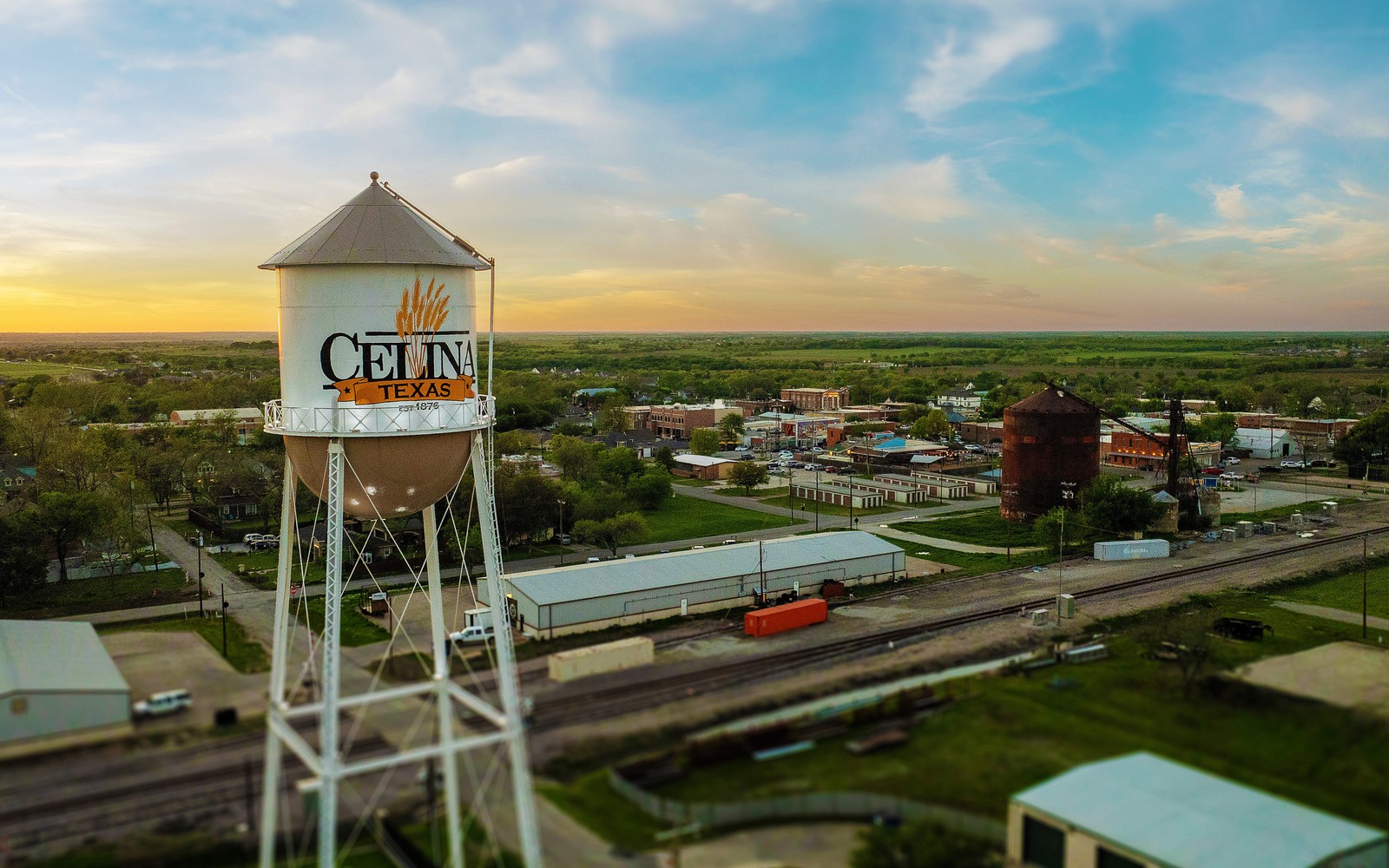
Celina has become one of the fastest-growing towns in North Texas over the past decade, and the pastureland getting swallowed up by new subdivisions sits over the same Barnett Shale that saw leasing activity here during the mid-2000s boom, long before the current growth wave started.
Because so much of Celina's land was ranchland until very recently, mineral ownership questions here often come down to a straightforward comparison: does the original family that owned the ranch still hold the minerals, or did they get sold or reserved separately when the land was subdivided for the new housing developments now covering it?
Celina's growth rate has outpaced almost every other town in this part of Denton County, and the sheer speed of that change means mineral rights questions are coming up for new homeowners here faster than in slower-growing neighboring towns.
Rapid Growth Over Old Leases
Celina's explosive residential growth is recent, but the underlying Barnett leasing history dates back to the 2000s boom, meaning a lot of new homeowners are sitting on ground with mineral leasing history they know nothing about.
What Happens to Minerals in New Subdivisions
As Celina's ranches got sold to developers, mineral rights were sometimes carried along with the sale and sometimes reserved by the original family. That distinction is entirely deed-specific and worth checking if your family owned land here before the growth arrived.
Denton County Title Work
We pull deed history at the Denton County Clerk's office to confirm current mineral ownership and lease status on Celina-area tracts before discussing terms.
What to Do Before Selling a New Home Here
If you're buying property in Celina and want to understand whether minerals are included, request a title commitment that specifically addresses mineral reservations before closing, since standard surface title work doesn't always flag this clearly.
Place the county tract on the basin board
The local file should tie the county record and legal description to the relevant basin, formation, field, unit, wells, permits, and operator position. A surface address can help find the tract, but it does not establish the mineral interest or prove participation in nearby development.
Read the local well vintages
Producing wells, shut-in wells, intermittent wells, newer laterals, older vertical wells, nearby completions, and general operator acreage in the surrounding area belong in separate evidence lanes. The paid property history carries more weight than a rig or permit that does not include the subject acreage.
Reconcile the ownership line
Deeds, reservations, leases, assignments, probate or trust records, division orders, unit documents, payor records, and statements should all point to the same local interest. Acreage, fractions, burdens, depths, products, and the paid decimal stay open until the supporting records agree.
Compare the deed and closing terms
A written offer for the tract should state the exact interest conveyed, effective date, receivables, reservations, title standard, curative responsibility, adjustment rights, payment conditions, and recording sequence. A strong headline number can still carry a broad deed or a weak closing condition.
Texas Owner Questions
Your family sold your ranch near Celina to a developer. Did you keep the minerals?
It depends entirely on how the sale deed was written. We check the recorded language at the Denton County Clerk's office to confirm.
Is there still active Barnett drilling near Celina?
New drilling has slowed considerably, though wells drilled during the 2000s boom may still be producing in the area.
You just bought a home in Celina. Should you worry about mineral rights?
It's worth checking your deed, since surface and mineral ownership can be separate. It generally doesn't affect your use of the home either way.
Should you check for mineral reservations before buying a home in Celina?
It's a reasonable step. Request that your title commitment specifically address mineral reservations, since it's not always obvious in standard surface title work.