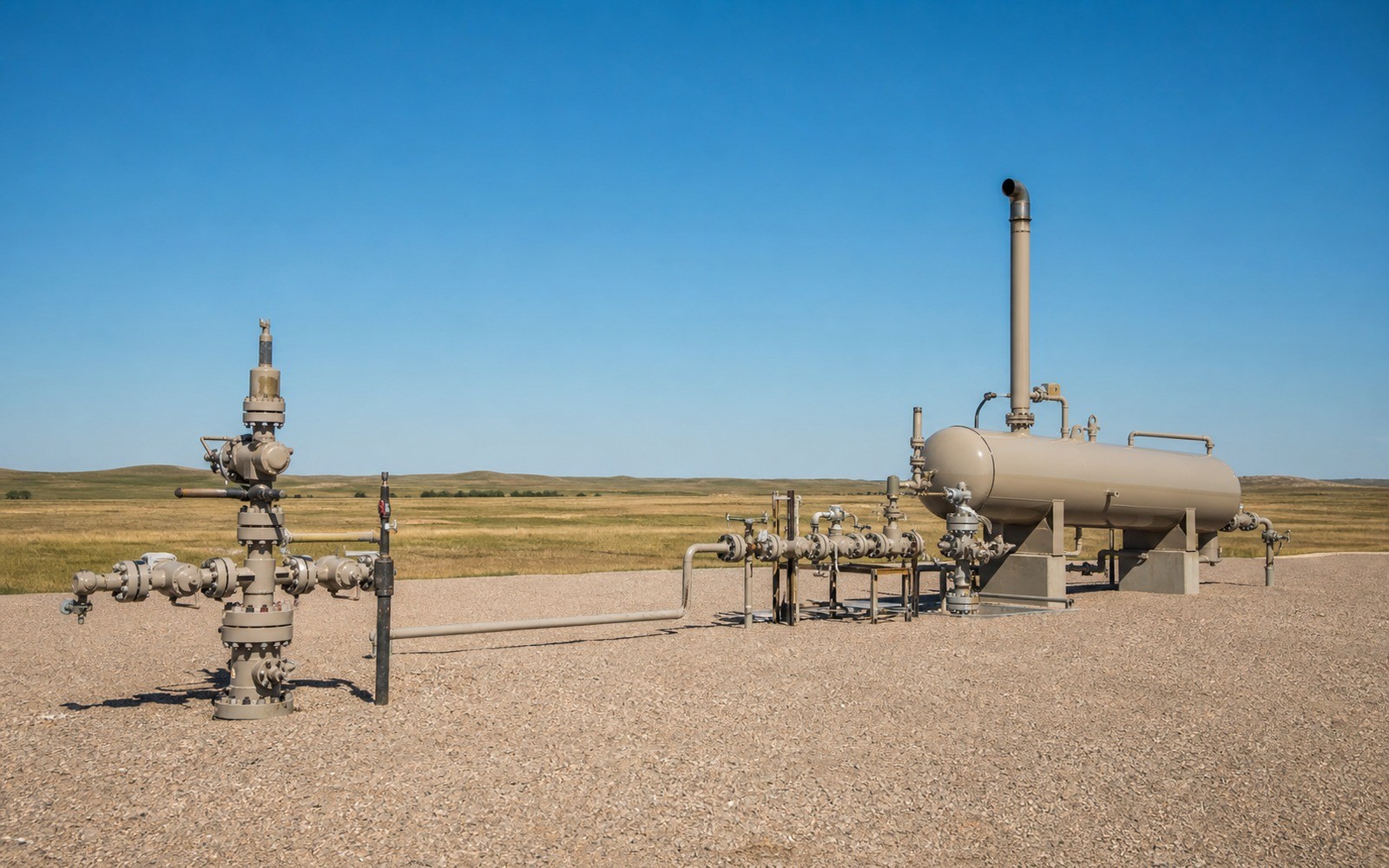
The Homesteads is a small unincorporated community in Johnson County, and the name fits, a lot of the mineral interests here trace back to actual homestead-era land grants that predate the Barnett boom by a century.
Johnson County was solidly inside core Barnett drilling territory, and rural communities like The Homesteads saw wells drilled on larger acreage tracts rather than the dense urban pooling you'd find closer to Fort Worth. If your family held land here going back generations, there's a good chance the minerals passed down through several owners without ever being consolidated.
Send us your deed or a division order and we will tell you exactly where your interest stands.
Rural Johnson County drilling versus the urban core
Wells around The Homesteads were often drilled with more room to work than in tighter urban settings, sometimes on larger contiguous tracts, which can mean your unit covers more acreage but also that your fractional share reflects a bigger pooled area. We check the actual unit designation rather than assuming based on how the county as a whole developed.
Generational land, undivided minerals
It's common for families holding land in this part of Johnson County to have minerals split among siblings, cousins, and in-laws after a few rounds of inheritance, sometimes without formal probate ever being filed. That's fixable, and it doesn't stop us from buying your specific documented share.
What we would need from your family to start
A copy of the original deed, whatever probate or inheritance paperwork exists, and a recent division order or royalty statement if you have one. From there we trace the current chain of title through the Johnson County Clerk's office in Cleburne and confirm your exact fractional share before quoting anything.
Place the county tract on the basin board
The local file should tie the county record and legal description to the relevant basin, formation, field, unit, wells, permits, and operator position. A surface address can help find the tract, but it does not establish the mineral interest or prove participation in nearby development.
Read the local well vintages
Producing wells, shut-in wells, intermittent wells, newer laterals, older vertical wells, nearby completions, and general operator acreage in the surrounding area belong in separate evidence lanes. The paid property history carries more weight than a rig or permit that does not include the subject acreage.
Reconcile the ownership line
Deeds, reservations, leases, assignments, probate or trust records, division orders, unit documents, payor records, and statements should all point to the same local interest. Acreage, fractions, burdens, depths, products, and the paid decimal stay open until the supporting records agree.
Compare the deed and closing terms
A written offer for the tract should state the exact interest conveyed, effective date, receivables, reservations, title standard, curative responsibility, adjustment rights, payment conditions, and recording sequence. A strong headline number can still carry a broad deed or a weak closing condition.
Texas Owner Questions
Your family land has never had a formal survey of mineral shares. Is that a problem?
Not necessarily. We can work from deed and probate history to establish your fractional share without requiring a new survey, as long as the paper trail is clear enough to document.
How do rural Johnson County units differ from Fort Worth units in value?
Value depends on the specific well's production and your decimal interest, not urban versus rural location by itself. We will pull the actual numbers for your unit before quoting anything.
Can you buy an interest that's still generating income?
Yes, that's the most common situation we buy. An active, producing interest is easier to value precisely because there's current data to work from.
How long does closing typically take out here?
With clean title, two to four weeks is typical. If the family's paperwork needs extra research, we will tell you upfront rather than let it drag.