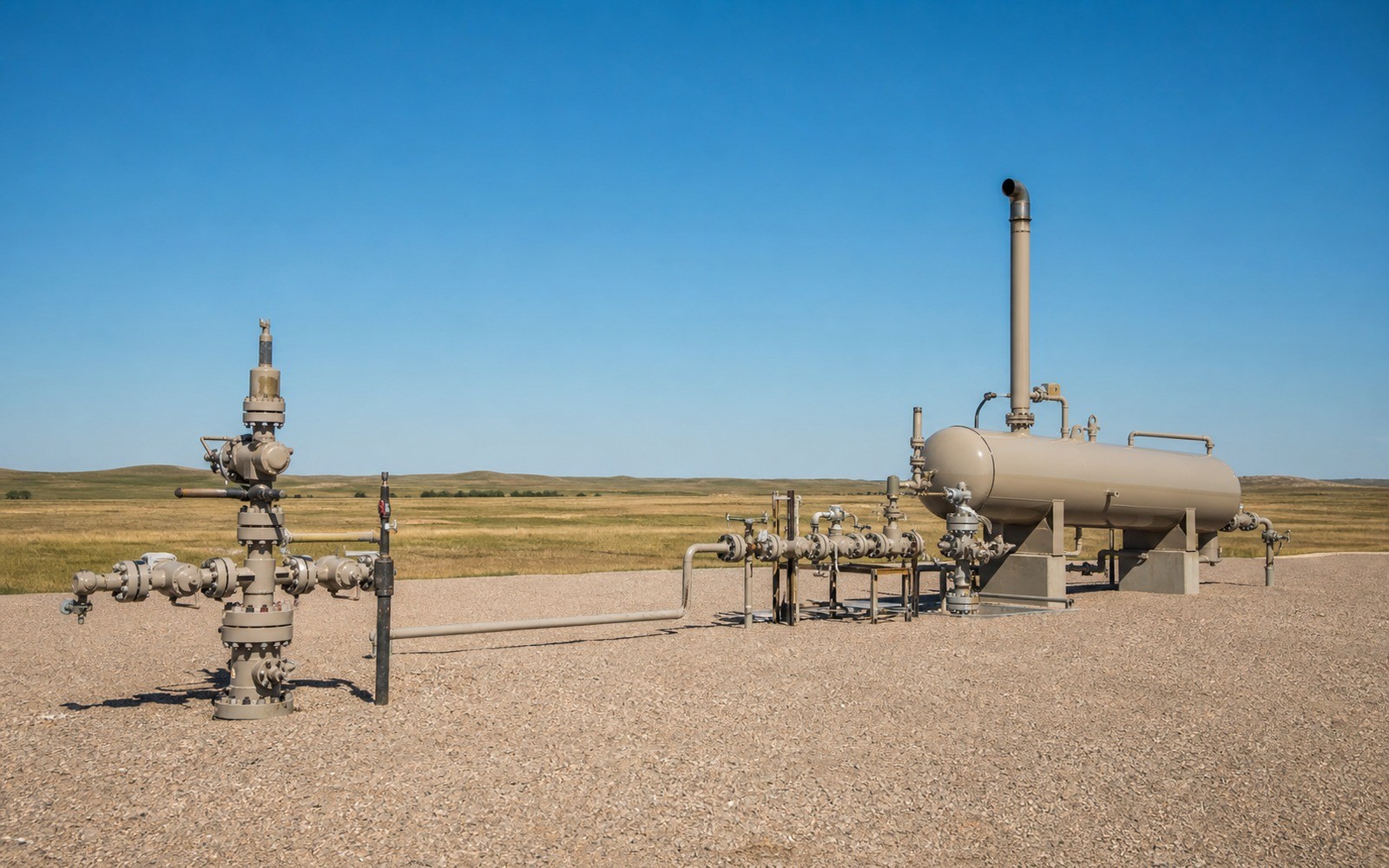
Coahoma sits in Howard County on the eastern edge of the Midland Basin, ground that's been producing oil in one form or another since the 1920s.
Howard County, with Big Spring as its seat, has one of the longest oil production histories in the entire Permian Basin, and Coahoma sits right within that legacy. What started with conventional vertical wells generations ago has, over the past fifteen years, layered on horizontal Spraberry and Wolfcamp development, meaning mineral title here can span nearly a century of activity.
A Century of Production Near Coahoma
Few parts of the Permian have as long a production history as Howard County. Early vertical wells near Coahoma date back decades, and many of those same units have since seen horizontal redevelopment as operators returned to extract additional value from the Spraberry and Wolfcamp intervals below the original pay zones.
Layered Title From Multiple Eras of Drilling
With production spanning close to a century in some cases, mineral title near Coahoma can involve deed conveyances, pooling orders, and unitizations from several distinct decades. We work through the Howard County Clerk's records methodically to confirm current ownership, regardless of how far back the chain extends.
Valuing an Interest With Deep History
Whether your interest ties to an old conventional well, a newer horizontal, or both, we price based on actual recent production and decline behavior. Long-producing assets like these often provide a very clear, well-established basis for a fair offer.
Place the county tract on the basin board
The local file should tie the county record and legal description to the relevant basin, formation, field, unit, wells, permits, and operator position. A surface address can help find the tract, but it does not establish the mineral interest or prove participation in nearby development.
Read the local well vintages
Producing wells, shut-in wells, intermittent wells, newer laterals, older vertical wells, nearby completions, and general operator acreage in the surrounding area belong in separate evidence lanes. The paid property history carries more weight than a rig or permit that does not include the subject acreage.
Reconcile the ownership line
Deeds, reservations, leases, assignments, probate or trust records, division orders, unit documents, payor records, and statements should all point to the same local interest. Acreage, fractions, burdens, depths, products, and the paid decimal stay open until the supporting records agree.
Compare the deed and closing terms
A written offer for the tract should state the exact interest conveyed, effective date, receivables, reservations, title standard, curative responsibility, adjustment rights, payment conditions, and recording sequence. A strong headline number can still carry a broad deed or a weak closing condition.
Texas Owner Questions
Your family's minerals near Coahoma go back to a conventional well from decades ago. Has anything changed since then?
Possibly. Many older units in this area have seen newer horizontal wells drilled into deeper zones, which can add production streams to your original interest. We check for that when researching your tract.
How far back do Howard County title records typically go?
It varies, but this county has production history dating back nearly a century in places, so older conveyances aren't unusual. We trace whatever the actual chain of title requires.
Is there still active development near Coahoma?
Development activity varies by section. We check current permits and production for your specific tract rather than relying on the county's broader history.
Do older, conventional wells get valued differently than newer horizontal wells?
The pricing approach is the same in principle — recent production and decline behavior — but older conventional wells often show a flatter, more predictable decline than a newer horizontal, which we factor in.