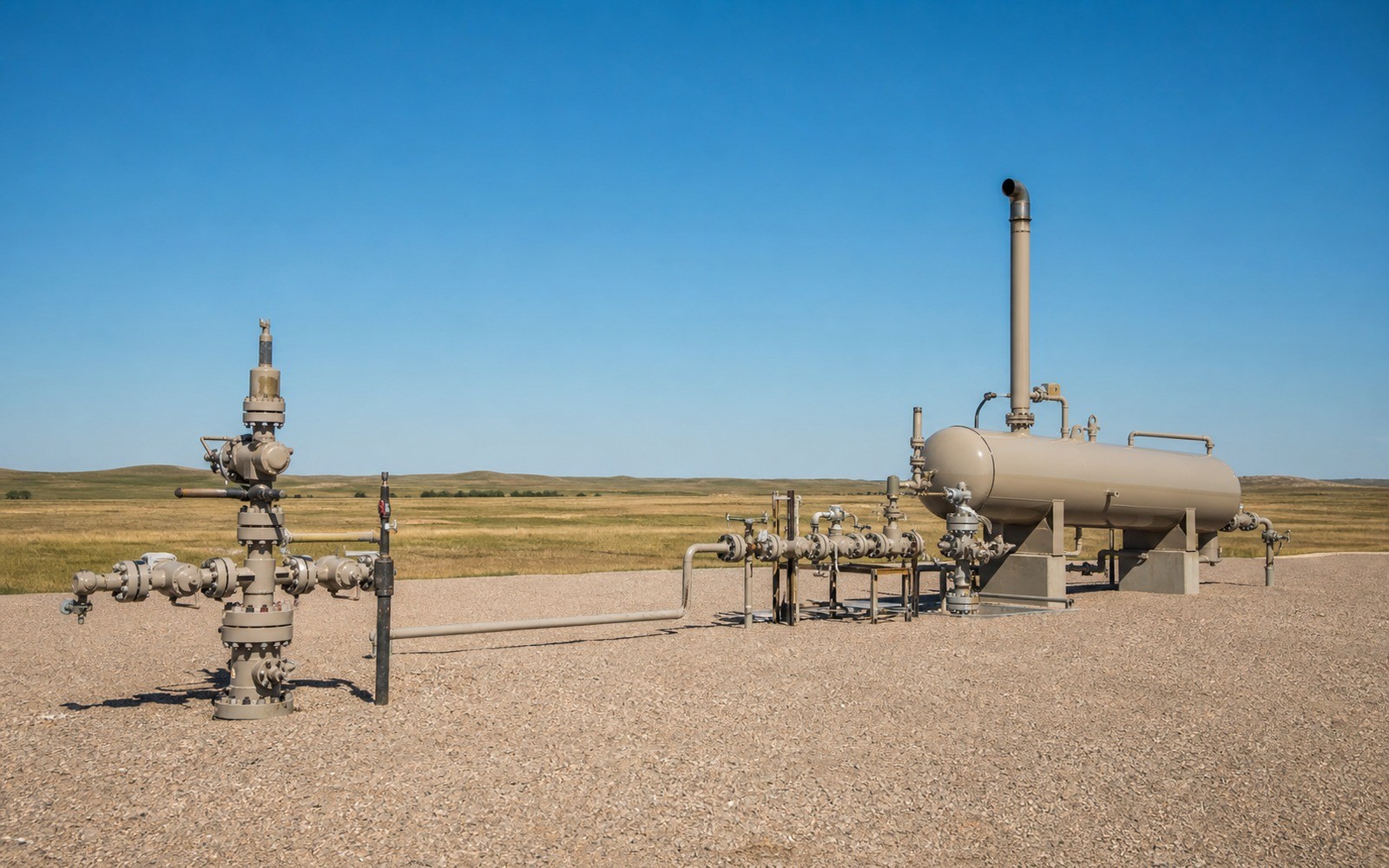
Coyote Flats is a small community, but small doesn't mean forgotten by the Barnett — this stretch of Johnson County still has real production behind it.
You won't find much written about Coyote Flats, and that's fine, because most of what matters to a mineral owner here isn't the town itself but the acreage around it and how that acreage sits relative to Johnson County's Barnett Shale production. We have bought interests out of communities this size before, and the process is no different than anywhere else in the county.
A Small Community in a Real Gas County
Johnson County's Barnett production runs through unincorporated communities like this one just as much as it runs through Cleburne or Burleson. Wells were drilled here during the core development years, and the acreage that surrounds Coyote Flats has been part of Johnson County's gas story since the mid-2000s.
Rural Tract Ownership
Land around Coyote Flats tends to run in larger parcels held by families for the long term, often ranched or leased for grazing rather than developed. Mineral interests here are typically tied directly to those family tracts, which usually makes the ownership picture more straightforward than in a heavily subdivided suburb, even if the paperwork is old.
How We Confirm Ownership Out Here
We work the same Johnson County Clerk records for a small community as we would for anywhere else in the county — deed, probate, and lease filings that establish your chain of title. Being off the beaten path doesn't change the process, and it doesn't slow down what we can offer.
Place the county tract on the basin board
The local file should tie the county record and legal description to the relevant basin, formation, field, unit, wells, permits, and operator position. A surface address can help find the tract, but it does not establish the mineral interest or prove participation in nearby development.
Read the local well vintages
Producing wells, shut-in wells, intermittent wells, newer laterals, older vertical wells, nearby completions, and general operator acreage in the surrounding area belong in separate evidence lanes. The paid property history carries more weight than a rig or permit that does not include the subject acreage.
Reconcile the ownership line
Deeds, reservations, leases, assignments, probate or trust records, division orders, unit documents, payor records, and statements should all point to the same local interest. Acreage, fractions, burdens, depths, products, and the paid decimal stay open until the supporting records agree.
Compare the deed and closing terms
A written offer for the tract should state the exact interest conveyed, effective date, receivables, reservations, title standard, curative responsibility, adjustment rights, payment conditions, and recording sequence. A strong headline number can still carry a broad deed or a weak closing condition.
Texas Owner Questions
Does being a small, unincorporated area affect what your minerals are worth?
Value is driven by your specific tract's production and location within the play, not by how big the nearest town is. We check your actual well or unit data before quoting.
Your family's land near Coyote Flats has old, handwritten deeds. Can you still work with that?
Yes. Older deeds are common on rural Johnson County tracts, and we're used to tracing ownership through them alongside current courthouse records.
Is there still drilling activity out this way?
It varies. We check recent permits and production near your specific tract rather than making assumptions about the wider area.
Do you buy interests this small even if there's no formal address for the property?
Yes. Rural tracts identified by survey or abstract number rather than a street address are common in this part of Johnson County, and we work from whatever legal description the deed actually uses.