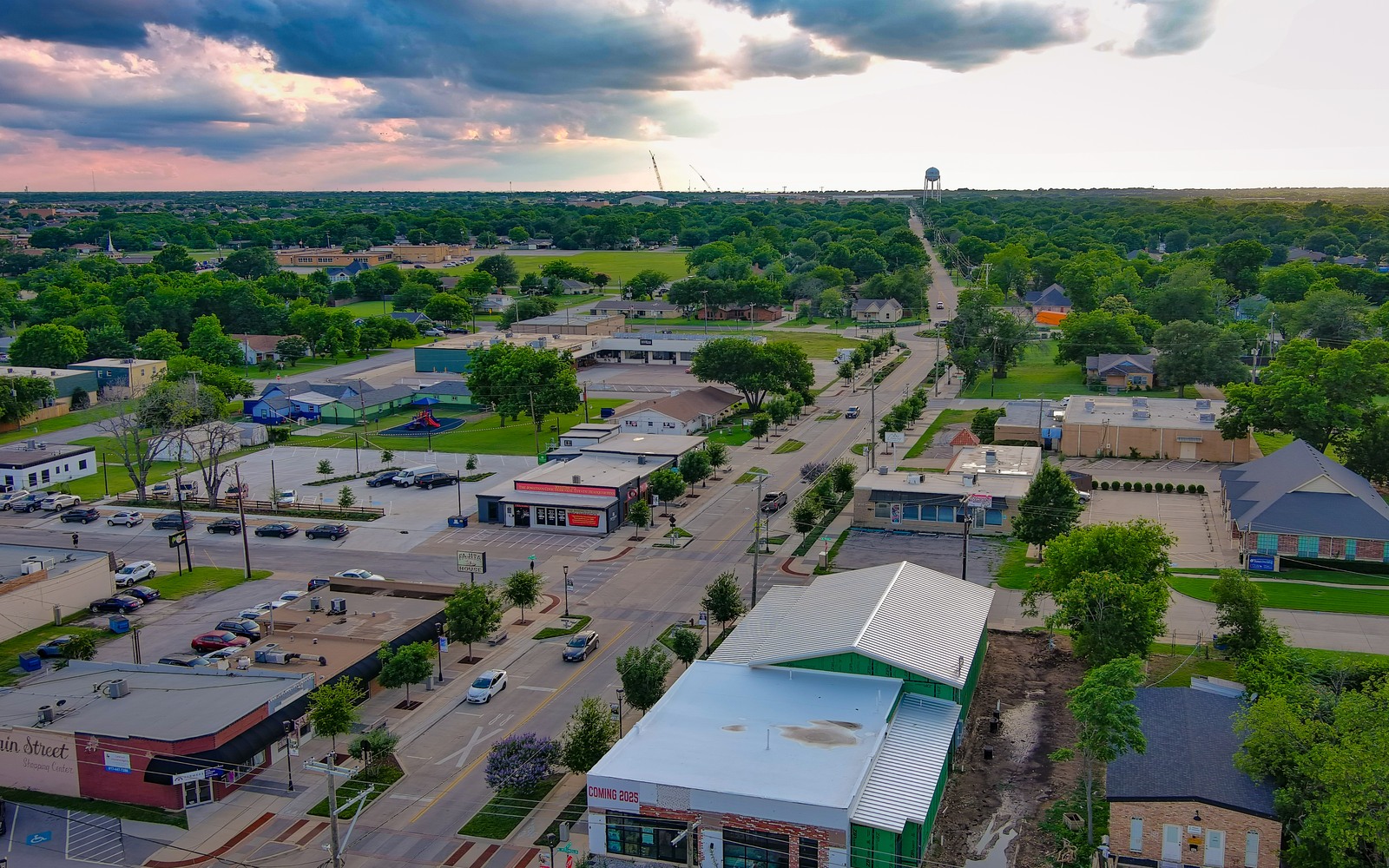
Crowley sits south of Fort Worth in Tarrant County's Barnett Shale core, close enough to the play's heaviest drilling that most parcels here have some production history behind them.
Tarrant County was the epicenter of the Barnett boom, and Crowley got its share of both the drilling and the growth that came with it. Between industrial development and residential expansion pushing south from Fort Worth, mineral ownership around Crowley has gone through more changes over the past two decades than in most of the rural counties further out.
Tarrant County's Core Barnett Activity
Crowley benefited from the same intense drilling activity that made Tarrant County the heart of the Barnett Shale, with pad sites and directional wells reaching under a mix of residential, commercial, and still-undeveloped land. Wells here are largely mature at this point, producing on a long decline that's typical of the play's earliest and most heavily developed acreage.
Mixed Development and Title Complexity
As Crowley grew, some tracts got developed for housing while adjacent tracts stayed industrial or remained undeveloped, which means the chain of title on any given mineral interest can vary a lot even between neighboring parcels. We check the specific history of your tract rather than assuming it matches what happened next door.
What We Look At Before Making an Offer
For a producing interest, we pull your recent royalty statements and compare the well's current output to its decline history. For an interest with no current production, we look at nearby leasing and permitting activity instead. Either way, the number we offer reflects real, current information about your specific tract.
Place the county tract on the basin board
The local file should tie the county record and legal description to the relevant basin, formation, field, unit, wells, permits, and operator position. A surface address can help find the tract, but it does not establish the mineral interest or prove participation in nearby development.
Read the local well vintages
Producing wells, shut-in wells, intermittent wells, newer laterals, older vertical wells, nearby completions, and general operator acreage in the surrounding area belong in separate evidence lanes. The paid property history carries more weight than a rig or permit that does not include the subject acreage.
Reconcile the ownership line
Deeds, reservations, leases, assignments, probate or trust records, division orders, unit documents, payor records, and statements should all point to the same local interest. Acreage, fractions, burdens, depths, products, and the paid decimal stay open until the supporting records agree.
Compare the deed and closing terms
A written offer for the tract should state the exact interest conveyed, effective date, receivables, reservations, title standard, curative responsibility, adjustment rights, payment conditions, and recording sequence. A strong headline number can still carry a broad deed or a weak closing condition.
Texas Owner Questions
Your property near Crowley changed from farmland to residential. Does that affect your mineral rights?
No, surface development doesn't change mineral ownership. Whatever was reserved or retained in the mineral deed stays in place regardless of what gets built above it.
How do you handle title on a tract that's changed hands several times?
We trace the full chain through Tarrant County records, transaction by transaction, to confirm current ownership before making an offer.
Are wells near Crowley still actively producing?
Most are mature and in decline, consistent with the rest of Tarrant County's core Barnett acreage. We verify your specific well's recent statements before pricing.
What if your interest is tied to a well that's now surrounded by houses instead of pasture?
That's common in this part of Tarrant County. The well's operating status and your royalty are unaffected by whatever housing has gone up nearby since it was drilled.