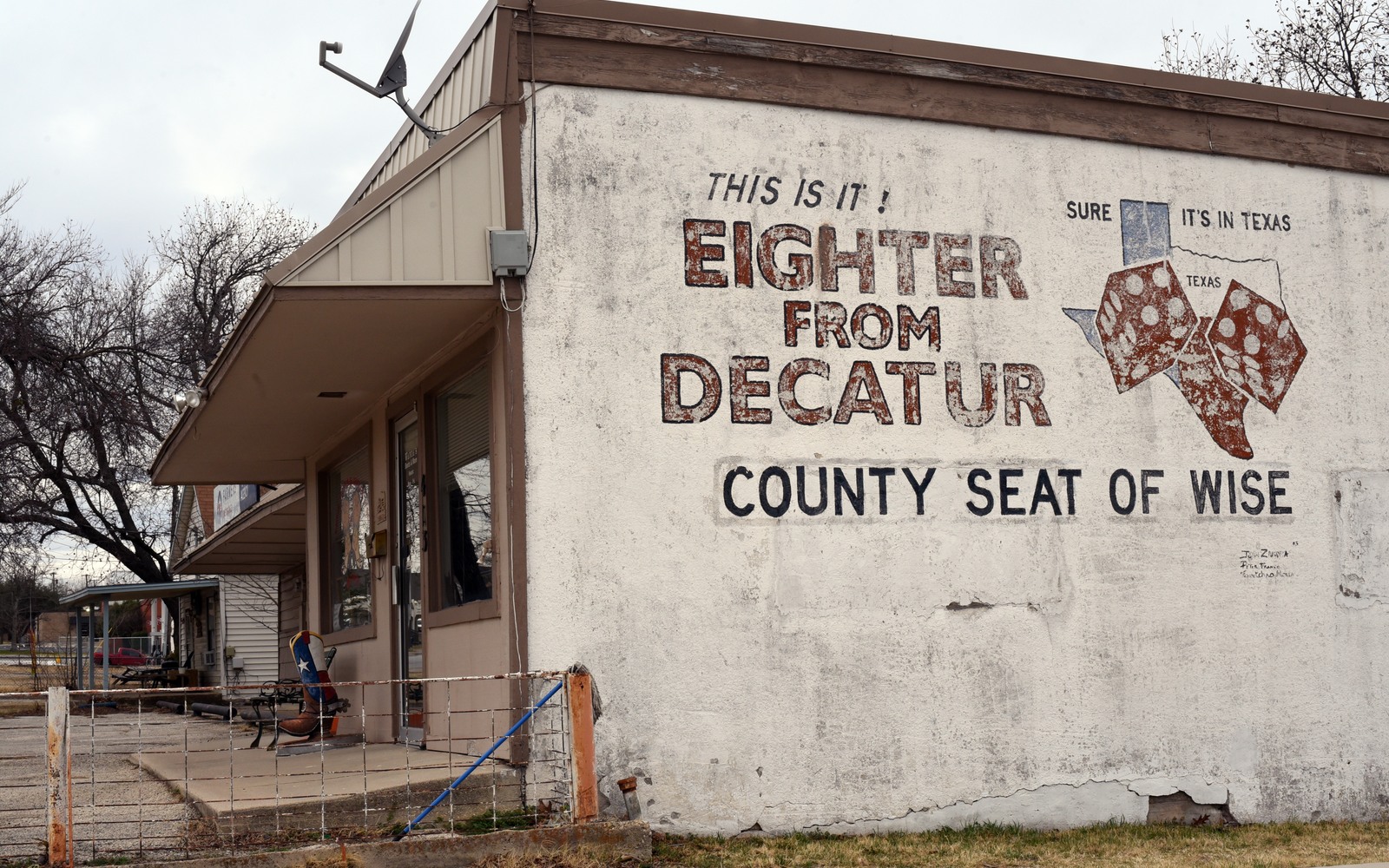
Decatur is the Wise County seat, and its courthouse has processed more oil and gas paper than most county courthouses in Texas ever will.
Wise County was one of the counties that proved out the Barnett Shale before most of the country had ever heard the term shale gas, and Decatur's courthouse sits at the center of that history. Every lease, deed, and division order tied to Wise County acreage runs through this building, which makes it one of the most useful stops for tracing mineral title in this part of Texas.
Decatur's Role in Barnett Shale History
Wise County saw serious drilling activity earlier than most of the Barnett's other core counties, and Decatur's records reflect that head start. If your family's minerals have been producing for close to two decades, tracing that history usually means working through some of the oldest active Barnett paperwork still on file.
The Wise County Courthouse and Title Research
Because Decatur is the county seat, its clerk's office holds the deed, probate, and lease filings for the whole county, extending well beyond the city itself. When we research a mineral interest anywhere in Wise County, this is where that research starts, whether the acreage sits inside city limits or out in the surrounding ranchland.
Long-Term Decline and What It Means for Pricing
A well that's been producing since the early 2000s has told us most of what it's going to tell us about its long-term decline pattern. That predictability works in your favor when we're building an offer, because there's little guesswork left in projecting where the well is headed from here.
Place the county tract on the basin board
The local file should tie the county record and legal description to the relevant basin, formation, field, unit, wells, permits, and operator position. A surface address can help find the tract, but it does not establish the mineral interest or prove participation in nearby development.
Read the local well vintages
Producing wells, shut-in wells, intermittent wells, newer laterals, older vertical wells, nearby completions, and general operator acreage in the surrounding area belong in separate evidence lanes. The paid property history carries more weight than a rig or permit that does not include the subject acreage.
Reconcile the ownership line
Deeds, reservations, leases, assignments, probate or trust records, division orders, unit documents, payor records, and statements should all point to the same local interest. Acreage, fractions, burdens, depths, products, and the paid decimal stay open until the supporting records agree.
Compare the deed and closing terms
A written offer for the tract should state the exact interest conveyed, effective date, receivables, reservations, title standard, curative responsibility, adjustment rights, payment conditions, and recording sequence. A strong headline number can still carry a broad deed or a weak closing condition.
Texas Owner Questions
Your family's minerals in Wise County have been producing for close to twenty years. Is that unusual?
Not for this county. Wise was one of the earliest Barnett Shale counties developed, so long production histories are common here.
Does living outside Decatur but within Wise County change anything?
No, the Wise County Clerk's office in Decatur handles records for the whole county, so our research process is the same regardless of exactly where your acreage sits.
How predictable is pricing on a well this old?
Quite predictable. A long, established decline curve gives us a solid basis to project future production and price your interest accordingly.
Where do you start if you are not sure exactly what your family owns in Wise County?
Bring us whatever paperwork you have, even partial, and we'll cross-reference it against the Decatur courthouse records to piece together the full picture before quoting anything.