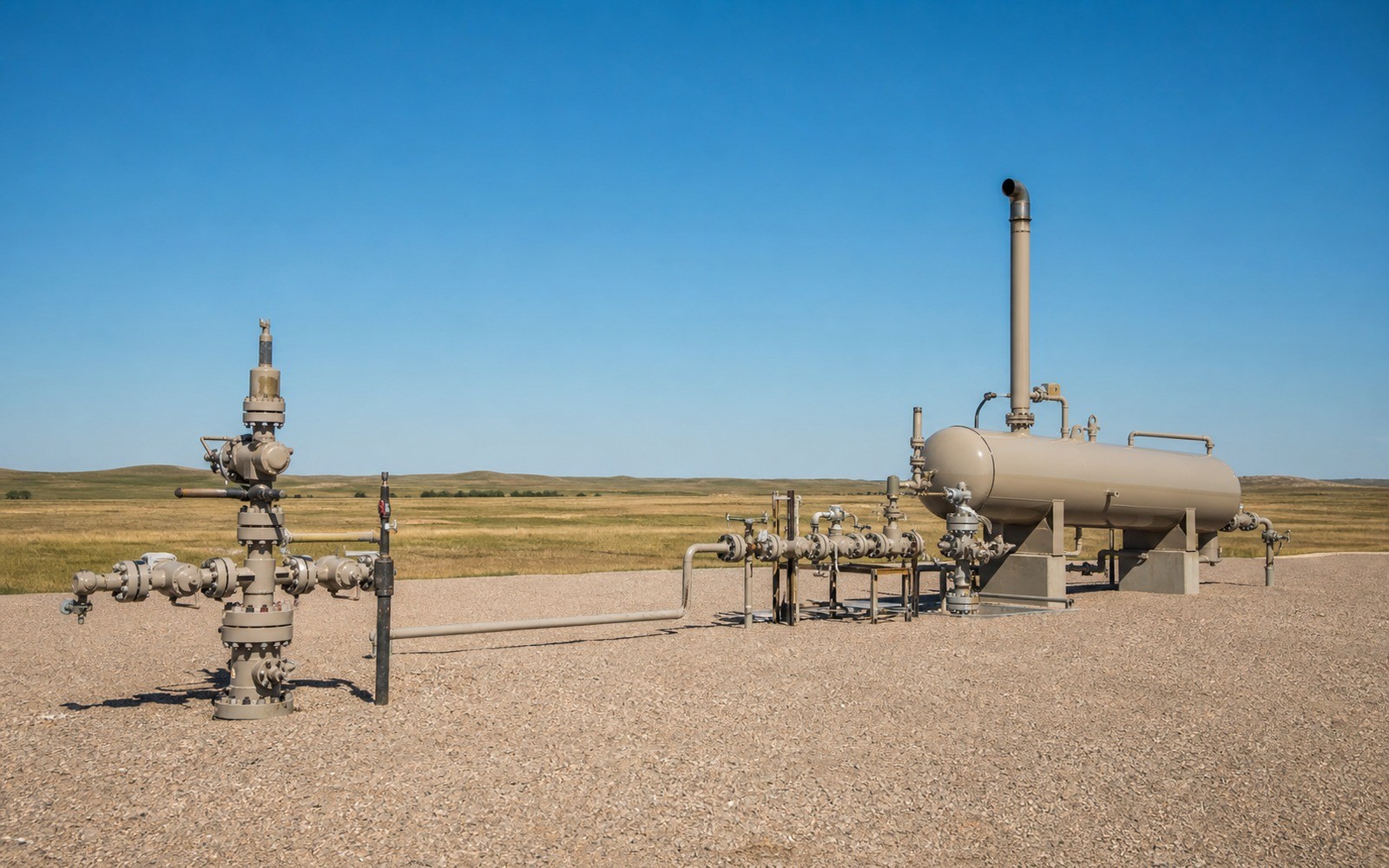
Gonzales sits right in the Eagle Ford, one of the first counties operators targeted when the play took off around 2009 and 2010.
The town itself is the county seat, and the courthouse here holds the paper trail for a lot of the ranch land that became some of the most productive Eagle Ford acreage in Texas. This part of the play runs through the condensate window, richer in liquids than the pure gas acreage farther east and less purely oil than the western counties.
Gonzales likes to call itself the Lexington of Texas for its Revolution-era history, and that same civic pride carried into how carefully the county has documented land ownership ever since, which makes title research here more straightforward than in some newer-platted areas.
Core acreage, dense drilling
Gonzales County was drilled hard and early, which means most wells here are well into their production life, and it also means a lot of tracts have been pooled and repooled as operators infilled acreage over the years. We track your interest through every applicable unit rather than assuming your original lease still tells the full story.
Condensate-rich production
Wells in this part of the play typically produce a mix of oil, gas, and natural gas liquids, which means your royalty statement reflects multiple product streams and pricing. We account for all of them when reviewing your production history.
Title research at the Gonzales County Clerk
We pull your deed and prior transfers directly from the courthouse and confirm your net mineral acreage against the Railroad Commission's unit filings. Long-held family ranch interests here are common, and we're used to working through multi-generation chains.
Place the county tract on the basin board
The local file should tie the county record and legal description to the relevant basin, formation, field, unit, wells, permits, and operator position. A surface address can help find the tract, but it does not establish the mineral interest or prove participation in nearby development.
Read the local well vintages
Producing wells, shut-in wells, intermittent wells, newer laterals, older vertical wells, nearby completions, and general operator acreage in the surrounding area belong in separate evidence lanes. The paid property history carries more weight than a rig or permit that does not include the subject acreage.
Reconcile the ownership line
Deeds, reservations, leases, assignments, probate or trust records, division orders, unit documents, payor records, and statements should all point to the same local interest. Acreage, fractions, burdens, depths, products, and the paid decimal stay open until the supporting records agree.
Compare the deed and closing terms
A written offer for the tract should state the exact interest conveyed, effective date, receivables, reservations, title standard, curative responsibility, adjustment rights, payment conditions, and recording sequence. A strong headline number can still carry a broad deed or a weak closing condition.
Texas Owner Questions
Why does your statement show separate oil, gas, and NGL payments?
Gonzales County Eagle Ford wells typically produce liquids-rich output, meaning multiple product streams generate separate line items on your statement.
Your tract has been in more than one unit over the years. Does that matter?
We track every unit that's touched your interest so the offer reflects your complete production history, not only the most recent lease.
How mature is a typical Gonzales County well at this point?
Most wells here were drilled during the play's early boom years and are now well into a long decline. We check your specific well's current status before quoting.
How quickly can you get a real offer, not only an estimate?
Once we've confirmed your title and reviewed production, we can typically provide a firm number within a few business days.