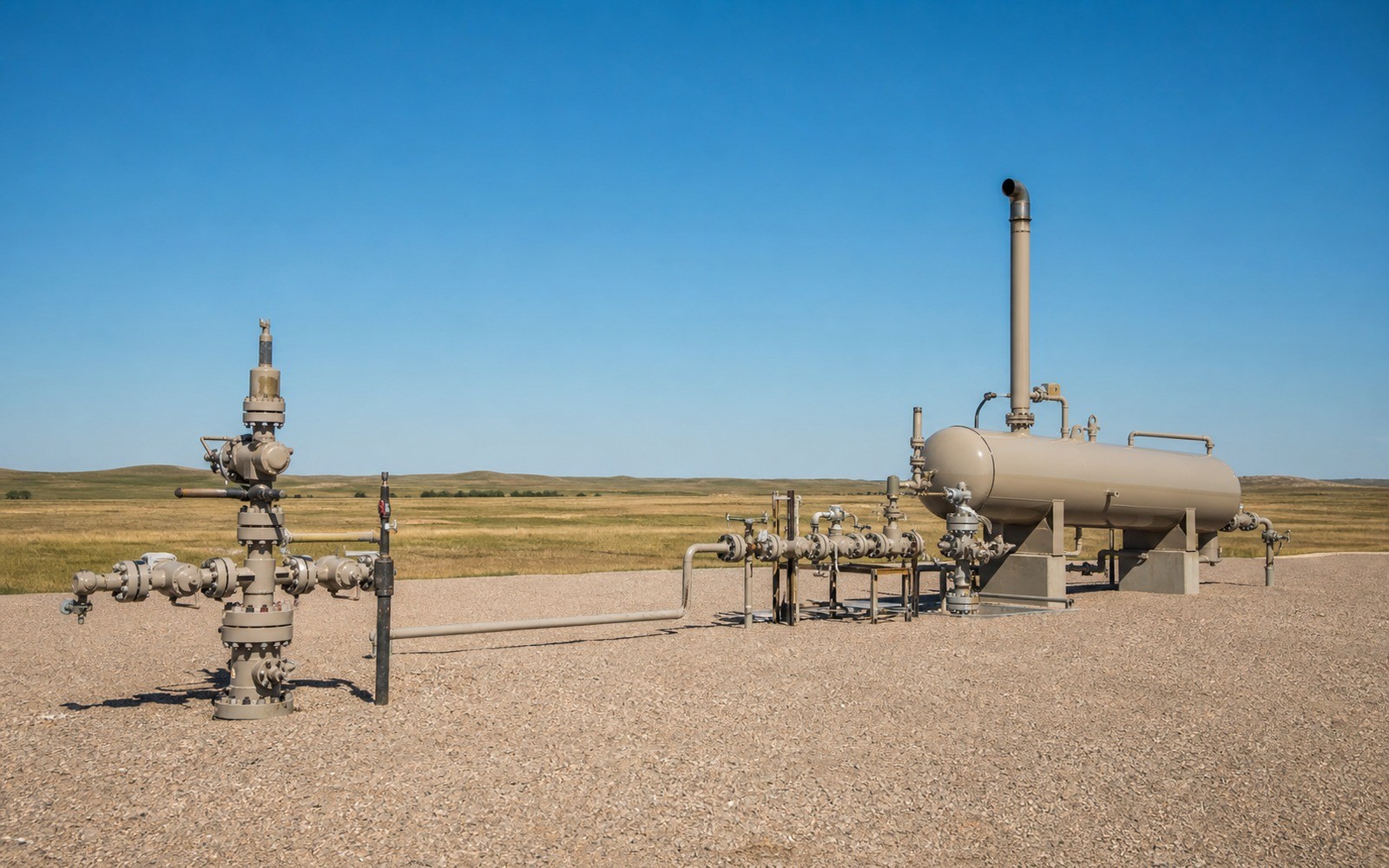
Rusk County has a much longer oil and gas history than most people realize, going back to the East Texas Field boom of the 1930s, and Easton sits within that long legacy of drilling.
Before the Haynesville Shale ever entered the conversation, Rusk County was already one of the most productive oil counties in Texas history, part of the massive East Texas Field discovered in the early 1930s. That older conventional production laid the groundwork, literally, for a second wave of deep gas development once operators started chasing the Haynesville play in this part of the state.
From the East Texas Field to the Haynesville
The original East Texas oilfield boom transformed Rusk County and several neighboring counties nearly a century ago, and many local mineral interests trace their roots to that era. When Haynesville Shale gas leasing arrived decades later, it often layered on top of acreage that already had a long, documented oil and gas history.
Two Eras of Production on the Same Tract
It's not unusual near Easton to find a mineral interest with old conventional production from the East Texas Field era alongside newer deep Haynesville gas rights on the same tract. We check both when researching your ownership, since each can carry its own production history and value.
Rusk County Title Across Nearly a Century
With production history this long, tracing title sometimes means working through deed and probate filings spanning multiple generations. We handle that research through the Rusk County Clerk's office, confirming your current ownership regardless of how far back the chain extends.
Place the county tract on the basin board
The local file should tie the county record and legal description to the relevant basin, formation, field, unit, wells, permits, and operator position. A surface address can help find the tract, but it does not establish the mineral interest or prove participation in nearby development.
Read the local well vintages
Producing wells, shut-in wells, intermittent wells, newer laterals, older vertical wells, nearby completions, and general operator acreage in the surrounding area belong in separate evidence lanes. The paid property history carries more weight than a rig or permit that does not include the subject acreage.
Reconcile the ownership line
Deeds, reservations, leases, assignments, probate or trust records, division orders, unit documents, payor records, and statements should all point to the same local interest. Acreage, fractions, burdens, depths, products, and the paid decimal stay open until the supporting records agree.
Compare the deed and closing terms
A written offer for the tract should state the exact interest conveyed, effective date, receivables, reservations, title standard, curative responsibility, adjustment rights, payment conditions, and recording sequence. A strong headline number can still carry a broad deed or a weak closing condition.
Texas Owner Questions
Your family's minerals near Easton go back to the old East Texas oil boom. Is that still relevant today?
It can be, especially if there's still production from that older conventional zone alongside newer Haynesville gas rights. We check both when researching your tract.
How do you handle a title chain that spans close to a century?
Carefully and methodically, working through Rusk County Clerk records generation by generation until we've confirmed the current, accurate ownership picture.
Is Rusk County a core Haynesville county?
Yes, it's one of the genuine Haynesville core counties in Texas, along with Panola and Harrison, with real deep gas development alongside its older conventional production.
What if your family's paperwork from the original East Texas Field lease is long gone?
That's common after this many decades. We can reconstruct the ownership picture using Rusk County courthouse records even without your family's original documents.