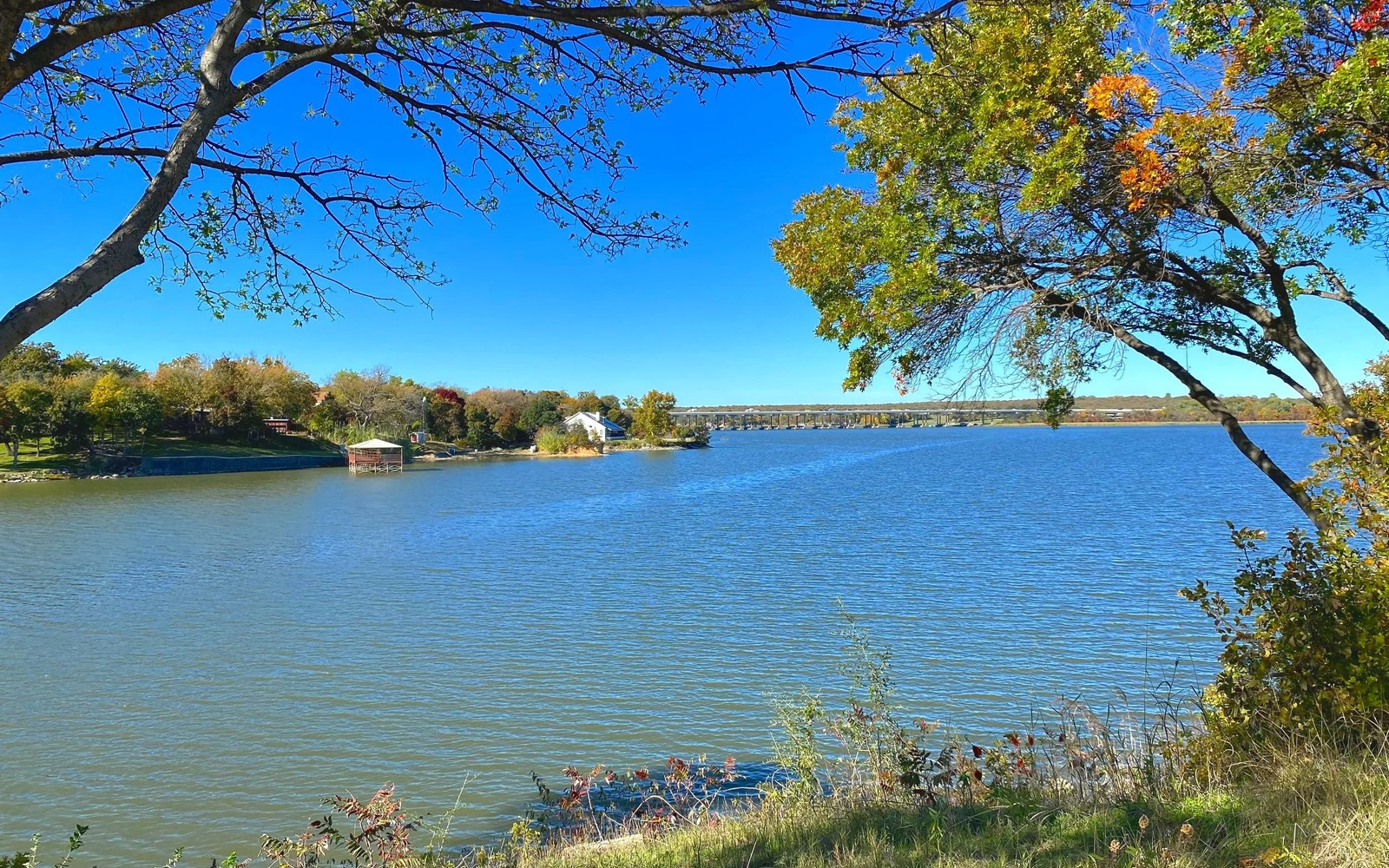
Lake Worth is close enough to Fort Worth's urban gas field that a lot of homeowners here have a mineral interest tied to a well they've never seen.
Tarrant County allowed dense horizontal drilling from compact pad sites during the Barnett boom, and Lake Worth's mix of lakefront and residential acreage was pooled into units right alongside the rest of the urban core. If you own property here, checking whether minerals came with it is worth doing even if you've never received a royalty check.
Urban Pad Drilling Near the Lake
Wells serving Lake Worth-area units were often drilled from pads tucked into commercial or utility corridors well away from residential lots, with horizontal laterals reaching out under the neighborhoods above. That's standard for Tarrant County's urban Barnett program and doesn't mean your property lacks a producing interest just because there's no wellhead in sight.
Most of this acreage was drilled during the mid-to-late 2000s, so production has settled into a long decline typical of mature Barnett units.
Severed Minerals in a Built-Up Area
A lot of Lake Worth lots changed hands after minerals had already been severed by an earlier owner or developer, which is why plenty of homeowners here don't actually hold what's underneath their property. We check the Tarrant County deed chain to determine your actual position before discussing anything.
If You Do Hold an Interest
For owners who do carry a confirmed mineral interest, we price it against the unit's real production data and handle the deed preparation and county filing once you accept an offer, so the process stays simple on your end.
Place the county tract on the basin board
The local file should tie the county record and legal description to the relevant basin, formation, field, unit, wells, permits, and operator position. A surface address can help find the tract, but it does not establish the mineral interest or prove participation in nearby development.
Read the local well vintages
Producing wells, shut-in wells, intermittent wells, newer laterals, older vertical wells, nearby completions, and general operator acreage in the surrounding area belong in separate evidence lanes. The paid property history carries more weight than a rig or permit that does not include the subject acreage.
Reconcile the ownership line
Deeds, reservations, leases, assignments, probate or trust records, division orders, unit documents, payor records, and statements should all point to the same local interest. Acreage, fractions, burdens, depths, products, and the paid decimal stay open until the supporting records agree.
Compare the deed and closing terms
A written offer for the tract should state the exact interest conveyed, effective date, receivables, reservations, title standard, curative responsibility, adjustment rights, payment conditions, and recording sequence. A strong headline number can still carry a broad deed or a weak closing condition.
Texas Owner Questions
How do you find out if you own minerals under your Lake Worth property?
Send us your address or legal description and we'll check the Tarrant County deed records to see whether minerals were severed before your purchase.
You have never gotten a royalty check. Could you still own an interest?
Yes, especially if your interest is non-producing or tied to a small fraction of a large pooled unit that pays too little per owner to notice easily.
Will this affect anything about your house or property?
No. A mineral sale doesn't touch your surface ownership, your home, or your ability to sell the property later.
What if your check comes from a company you do not recognize?
Common in this part of Tarrant County. We trace the current operator through county and division order records before quoting.