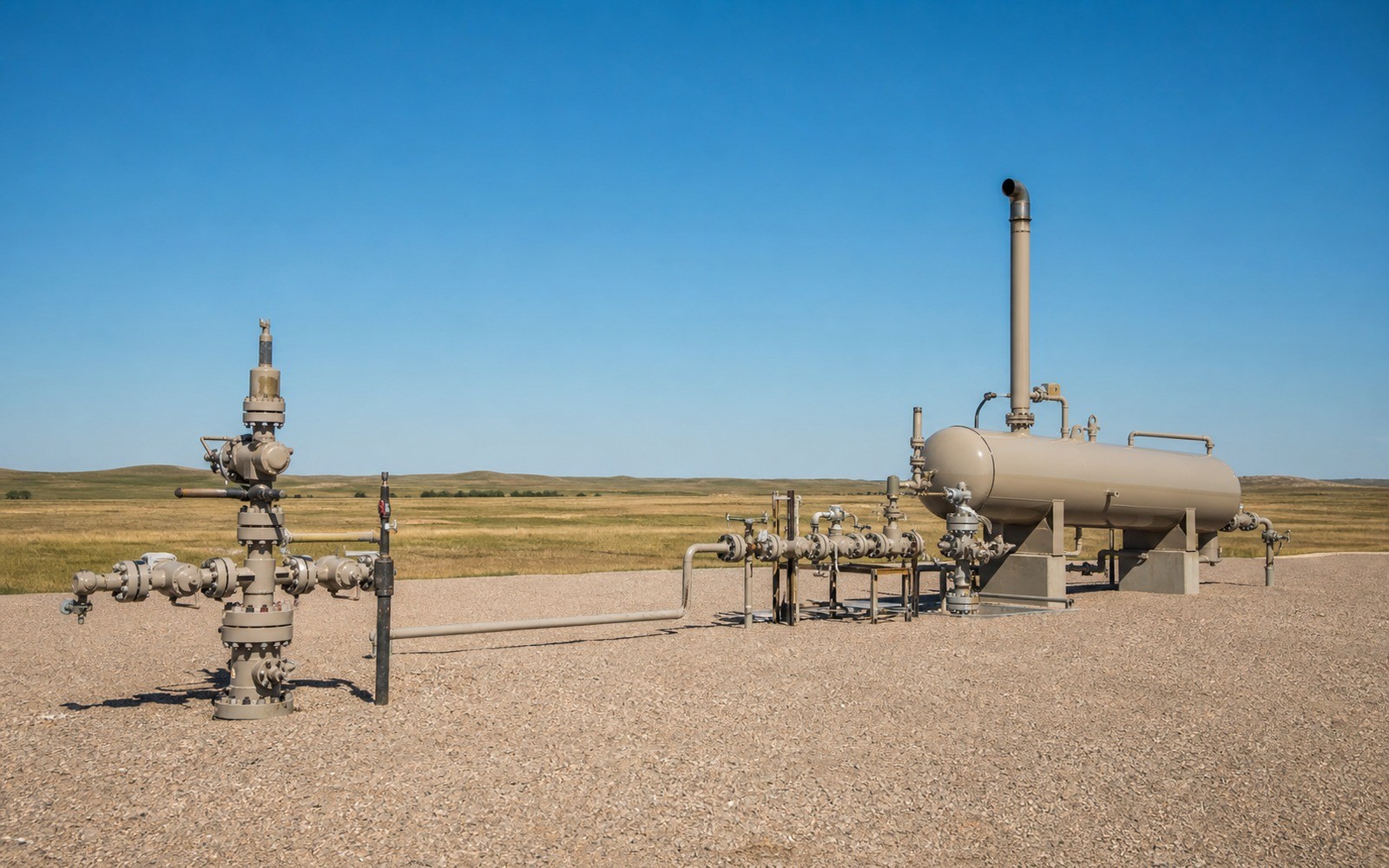
Ector County, home to Odessa, is about as core Midland Basin as it gets, and the well density here means most mineral owners have decades of production history to work with.
Odessa and the surrounding acreage in Ector County have been producing oil since the 1920s, first from conventional vertical wells and, over the last fifteen years, from stacked horizontal development in the Spraberry and Wolfcamp formations. That long history means Ector County title is often layered — original 1930s and 1940s conveyances sitting under multiple later leases, unitizations, and pooling orders as operators moved from vertical to horizontal development. Some tracts here have been leased and re-leased four or five times across a century of activity, and each of those transactions left its own trail of paper at the courthouse.
Pioneer Natural Resources built much of its Midland Basin position around counties like Ector before its 2024 acquisition by ExxonMobil, and Diamondback Energy has been active here as well. If you're holding minerals or royalty in this county, you're sitting in one of the most consistently drilled parts of the entire Permian Basin.
Stacked-Pay Development in the Midland Basin
What makes Ector County valuable to mineral owners is the stacked nature of the pay zones. Operators aren't just drilling one interval under your acreage — the Spraberry and Wolfcamp are subdivided into multiple benches, each of which can support its own horizontal well. That means a single section of land might see several wells drilled into it over a period of years as operators develop each bench in sequence.
For a mineral owner, that translates into the possibility of multiple royalty streams over time from the same acreage, rather than a single well and a single decline curve.
Odessa Courthouse Records and Long Chains of Title
The Ector County Clerk's office in Odessa holds deed records stretching back to the county's earliest oil booms. Because this acreage has changed hands and been leased multiple times over nearly a century, tracing a clean chain of title sometimes means working through several generations of conveyances, old unitization agreements, and prior pooling orders filed with the Railroad Commission.
We do that research as part of any offer. If your family's minerals have been sitting in the same trust or estate since an earlier generation, we can usually work with existing documentation rather than requiring a fresh probate.
Pricing a Multi-Well Royalty Interest
When your acreage has multiple wells producing from different benches, valuing the interest means looking at the combined production and decline behavior across all of them rather than treating one well in isolation. We pull your recent division order statements for every well tied to your interest and build the offer off that combined picture, since a tract with three producing wells behaves very differently than a tract with one aging well and two units still undeveloped.
Non-Operated Interests and Pooled Units
Most horizontal development in Ector County happens through pooled units that combine multiple original tracts into a single spacing unit. If your minerals were pooled into a unit years ago, your royalty decimal reflects your original tract's proportionate share of that unit, not the whole well. We verify that math against the pooling order and division order on file before quoting a number.
Non-operated owners in this county sometimes go years without hearing from the operator beyond a check and a statement, which makes it easy to lose track of exactly what's producing under your name. Part of what we do before making an offer is reconstruct that picture for you — how many wells, which formation, what the recent volumes look like — so you're deciding with real information instead of guessing off an old lease.
Texas Owner Questions
There are multiple wells on your Ector County minerals. How do you value that?
We pull statements for every well tied to your interest and price the combined production and decline picture across all of them, rather than looking at one well by itself.
Your family's minerals in Ector County go back to the 1940s. Will that old paperwork be a problem?
Usually not. We're used to working long chains of title in this county and can often work from existing estate or trust documents rather than requiring new probate.
What does it mean if your tract was pooled into a unit?
Pooling combines several original tracts into one spacing unit for a horizontal well. Your royalty is a proportionate share of that unit based on your original acreage, which we verify against the recorded pooling order.
Is Ector County still seeing active drilling?
Yes, it remains one of the more active counties in the Midland Basin, though pace varies section to section and shifts with operator development plans and commodity prices.
How fast can a sale in Ector County actually close?
Once title is confirmed and every owner has signed, most Ector County closings we handle take a few weeks, largely driven by how quickly deed and probate records come back from the county clerk and how many prior conveyances there are to review.