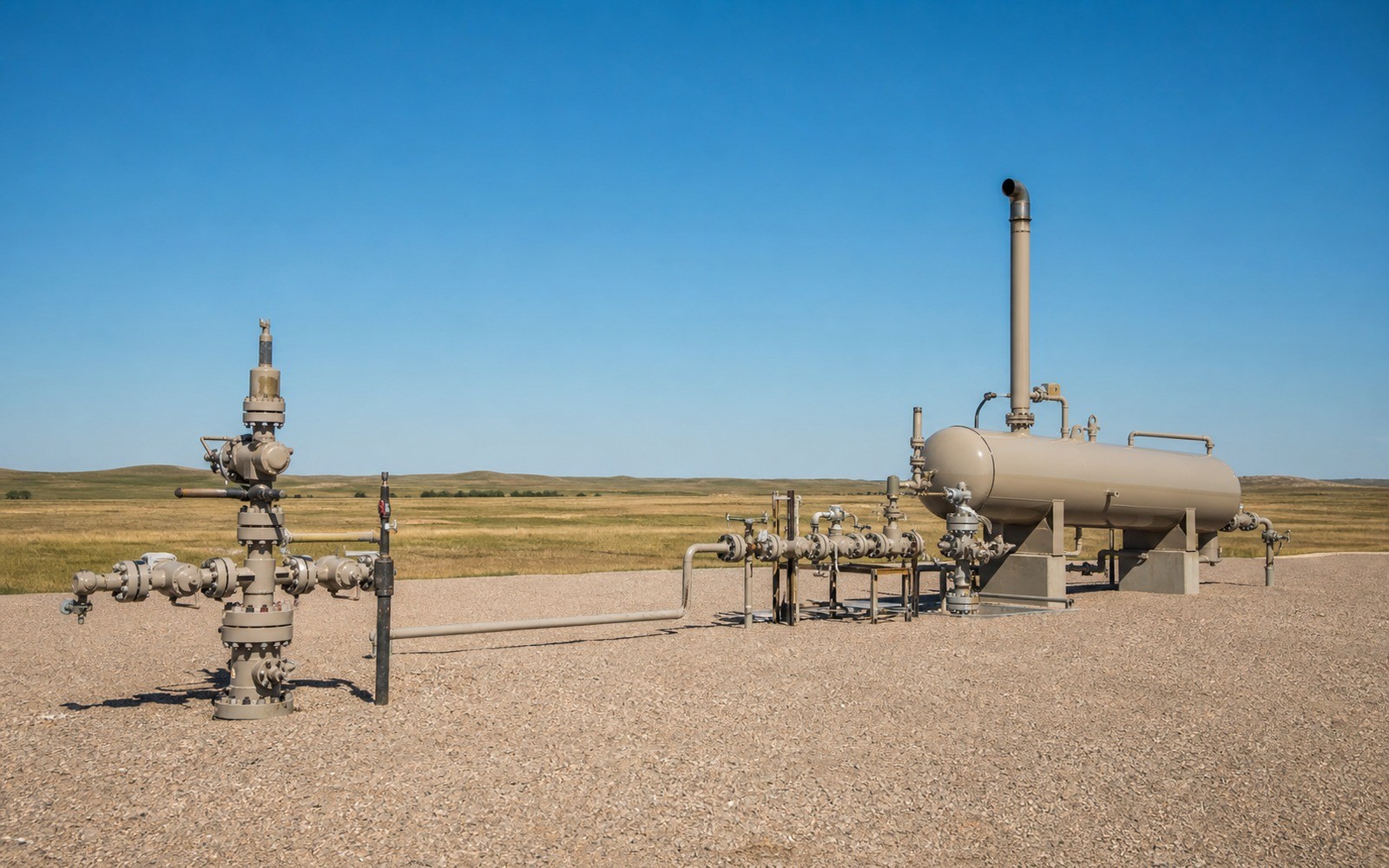
Pecos County is big enough to hold several different plays inside its own borders, and the Fort Stockton courthouse sees paperwork from all of them.
Pecos County stretches across a large piece of the Delaware Basin, with Wolfcamp and Bone Spring horizontal development concentrated in its eastern and northern reaches while other parts of the county see lighter activity. Mineral ownership varies just as widely, from active multi-well units to quiet ranch tracts that haven't seen a permit filed in years.
Because the county is so large and geologically varied, no two Pecos County interests get valued the same way. We start by pinpointing exactly where your tract sits relative to current development before we talk numbers.
Not All of Pecos County Is the Same Play
The heaviest Delaware Basin activity in Pecos County concentrates in specific areas, while other parts of this large county see far less horizontal development. Knowing exactly where your section sits relative to that activity is the first thing we check, because it changes the valuation conversation entirely.
A tract inside an active multi-well unit is priced against current production comparables. A tract in a quieter part of the county gets priced more conservatively, based on remaining production or speculative permit potential.
Ranch-Era Deeds and Fort Stockton Records
Much of Pecos County was assembled into large cattle ranches before oil was found, and mineral severances from that era carry legal descriptions and reservation language specific to that period. We pull and reconcile those records at the Fort Stockton courthouse as part of our title review.
Fractional interests split among heirs of the original ranch owners are common, and we work through those chains routinely.
What Drives Value Here
Current production, offset permits, and proximity to the county's most active development areas are the three biggest factors in a Pecos County offer. We check all three against your specific tract rather than pricing off a county-wide average, since that average can be misleading given how spread out development is here.
We're direct about which factors apply to your interest, including when a tract sits far enough from current activity that a conservative offer is the honest one.
Selling a Piece of a Large Estate
Because Pecos County ranches were often large, many mineral interests here are held by extended families with dozens of heirs across several branches. Selling doesn't require every heir to agree, in most cases each owner can sell their individual fractional interest independently.
If your family holds an interest jointly and only some heirs want to sell, we can typically work with individual owners without requiring unanimous participation.
Place the county tract on the basin board
The local file should tie the county record and legal description to the relevant basin, formation, field, unit, wells, permits, and operator position. A surface address can help find the tract, but it does not establish the mineral interest or prove participation in nearby development.
Read the local well vintages
Producing wells, shut-in wells, intermittent wells, newer laterals, older vertical wells, nearby completions, and general operator acreage in the surrounding area belong in separate evidence lanes. The paid property history carries more weight than a rig or permit that does not include the subject acreage.
Reconcile the ownership line
Deeds, reservations, leases, assignments, probate or trust records, division orders, unit documents, payor records, and statements should all point to the same local interest. Acreage, fractions, burdens, depths, products, and the paid decimal stay open until the supporting records agree.
Compare the deed and closing terms
A written offer for the tract should state the exact interest conveyed, effective date, receivables, reservations, title standard, curative responsibility, adjustment rights, payment conditions, and recording sequence. A strong headline number can still carry a broad deed or a weak closing condition.
Texas Owner Questions
Does it matter which part of Pecos County your minerals are in?
Significantly. Development activity is concentrated in specific areas of this large county, so location within the county affects value as much as anything else we check.
Your family's Pecos County ranch has dozens of heirs. Can you sell just your share?
Usually, yes. Each heir typically holds an individually sellable fractional interest, and you don't need agreement from every other family member to sell your own portion.
Is there active drilling happening in Pecos County right now?
Development activity varies by area within the county. We check current Railroad Commission permits for your specific section before quoting, since it can differ significantly from one part of the county to another.
What if your deed describes the land using an old ranch survey instead of a section number?
That's common for Pecos County ranch-era deeds. We reconcile older survey descriptions against modern section and township references as part of our title work.
How do you determine where in Pecos County the strongest development activity sits?
We track current Railroad Commission permit filings and completion reports across the county's different areas, since Pecos County's Delaware Basin activity is concentrated rather than spread evenly across its large footprint.
What if your Pecos County ranch tract has both grazing leases and mineral leases active at the same time?
That's normal and doesn't create a conflict. Surface grazing leases and mineral leases operate independently under Texas law, and selling your mineral interest has no bearing on the grazing arrangement.
Does Pecos County's size make title research take longer than in a smaller county?
Sometimes, particularly for large ranch-era tracts with complex survey histories. We build that research time into our process rather than rushing a title check, since an accurate offer depends on getting the ownership fraction right.
What if your Pecos County tract sits between two different areas of activity?
We check permit and production data for both directions before pricing, since a tract positioned between two active zones can sometimes carry more near-term upside than one sitting entirely within a single, well-defined unit.
Is there a minimum acreage you require before making an offer on Pecos County minerals?
No. We evaluate interests of any size, from a small fractional royalty share to a large ranch-family mineral estate, using the same courthouse and production research either way.